

Hydrocodone: Uses, Safety Information, and Prescription Guidance
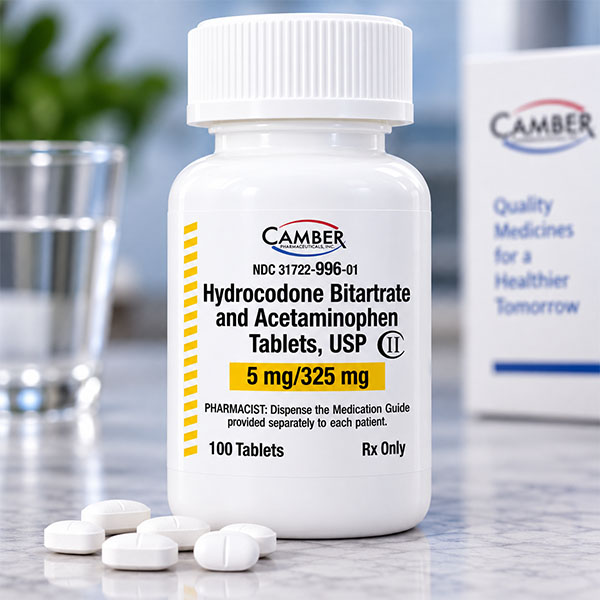
Hydrocodone is a prescription opioid medication used to manage certain types of moderate to severe pain when other treatment options may not provide adequate relief. It works by acting on the central nervous system to change how the body responds to pain.
At Sure Pharma Meds Hub, we believe that access to medication information should be clear, reliable, and safety-focused. This guide explains what hydrocodone is, how it is used, its potential side effects, and the important precautions patients should understand before treatment.
What Is Hydrocodone?
Hydrocodone is an opioid analgesic, which means it is a medicine that helps relieve pain. Healthcare professionals may prescribe it for selected patients whose pain requires opioid treatment.
Some hydrocodone products contain hydrocodone alone, while others combine it with another medicine, such as acetaminophen. The ingredients, strength, duration of action, and directions for use vary by product.
Hydrocodone is a controlled prescription medication because it can cause dependence, misuse, addiction, and potentially fatal overdose. It should only be used under appropriate medical supervision.
What Is Hydrocodone Used For?
Healthcare professionals may prescribe hydrocodone for pain that is severe enough to require an opioid analgesic when alternative treatments are ineffective, unsuitable, or insufficient.
Depending on the specific formulation and the patient’s medical needs, hydrocodone may be considered for certain cases of:
- Acute pain that requires prescription opioid treatment.
- Pain following selected medical or surgical procedures.
- Other significant pain conditions when a healthcare professional determines that opioid therapy is appropriate.
Hydrocodone is not suitable for every type of pain. A healthcare professional should assess the cause of the pain, the patient’s medical history, and the potential benefits and risks before prescribing it.
How Does Hydrocodone Work?
Hydrocodone acts on opioid receptors in the brain and nervous system. These receptors help regulate the body’s perception of pain.
By changing how pain signals are processed, hydrocodone can reduce pain in appropriately selected patients. However, it may also cause drowsiness, dizziness, nausea, and slowed breathing.
The medication should be taken only as prescribed. Taking more than directed does not make treatment safer and can increase the risk of serious complications.
Hydrocodone Safety Information
Before starting hydrocodone, discuss your medical history and all medicines you take with your healthcare professional.
Important safety precautions include:
- Follow your prescription: Take hydrocodone exactly as directed by your prescriber.
- Avoid alcohol: Alcohol can increase sedation and the risk of dangerous breathing problems.
- Check for drug interactions: Sedatives, benzodiazepines, sleep medicines, and other central nervous system depressants may increase the risk of serious harm.
- Do not share medication: Hydrocodone should only be used by the person for whom it was prescribed.
- Store it securely: Keep the medication away from children, visitors, and anyone who might take it accidentally or misuse it.
- Discuss other health conditions: Breathing disorders, liver problems, and other medical conditions may affect whether hydrocodone is appropriate.
If your hydrocodone product also contains acetaminophen, ask a healthcare professional or pharmacist how to avoid taking too much acetaminophen from multiple medicines.
Possible Side Effects of Hydrocodone
Hydrocodone can cause side effects, even when taken as prescribed.
Common side effects may include:
Some side effects require urgent medical attention. Slow, shallow, or difficult breathing; extreme sleepiness; or an inability to wake someone may indicate an opioid overdose. Seek emergency medical assistance immediately if these symptoms occur.
Hydrocodone can also cause physical dependence and addiction. Do not increase your dose or change your treatment plan without medical advice.
Who Should Avoid or Use Extra Caution With Hydrocodone?
Hydrocodone may be unsuitable for people with certain medical conditions or medication interactions.
Tell your healthcare professional if you:
- Have asthma, breathing difficulties, or sleep-related breathing problems.
- Have liver or kidney disease.
- Take sedatives, sleeping tablets, or other opioid medications.
- Are pregnant, planning a pregnancy, or breastfeeding.
- Have a personal history of substance use disorder or opioid dependence.
This list is not exhaustive. Your prescriber should determine whether hydrocodone is appropriate for your individual circumstances.
Hydrocodone Prescription Guidance
Hydrocodone is not an ordinary over-the-counter pain reliever. It requires a valid prescription and must be supplied in accordance with the laws and regulations that apply in your location.
Before obtaining any prescription medication, verify the pharmacy’s licensing, the product’s authenticity, and the applicable prescription requirements. Avoid products from unverified sellers or websites that offer prescription opioids without appropriate medical oversight.
For questions about a prescribed product, consult a licensed healthcare professional or pharmacist.
Frequently Asked Questions About Hydrocodone
Is hydrocodone a prescription medication?
Yes. Hydrocodone is a prescription opioid medication subject to strict controls in many countries. The applicable requirements depend on local law.
How long does hydrocodone take to work?
The time it takes to work depends on the formulation, how it is administered, and individual factors. Follow the instructions for your specific prescription and ask your pharmacist if you are unsure.
Can hydrocodone cause addiction?
Yes. Hydrocodone can cause opioid use disorder, physical dependence, and addiction. These risks can occur even when a person takes the medication as prescribed.
Can I drink alcohol while taking hydrocodone?
No. Avoid alcohol while taking hydrocodone unless a qualified healthcare professional gives you specific guidance. Combining alcohol with opioids can increase the risk of dangerous sedation, breathing difficulties, overdose, and death.
Can I stop taking hydrocodone suddenly?
If you have been using hydrocodone regularly, stopping suddenly may cause withdrawal symptoms. Speak with your prescriber about a safe plan for changing or discontinuing treatment.
What should I do if someone takes too much hydrocodone?
Seek emergency medical assistance immediately if an overdose is suspected. If naloxone is available, administer it according to its instructions while emergency help is on the way. Do not wait for symptoms to worsen.
Final Thoughts
Hydrocodone can help manage certain types of significant pain when prescribed appropriately. However, it carries serious risks and requires careful medical supervision.
Understanding its uses, side effects, interactions, and prescription requirements can help patients make informed decisions about their care.
Important medical disclaimer: This content is for educational purposes only and does not replace professional medical advice, diagnosis, or treatment. Always consult a qualified healthcare professional before starting, changing, or stopping a medication.
About Sure Pharma Meds Hub: For medication-related questions, seek guidance from a licensed healthcare professional or pharmacist and verify all applicable prescription and pharmacy requirements before obtaining any medicine.



There are no reviews yet.