


Semaglutide: Uses, Benefits, Side Effects, and Safety Guide
What Is Semaglutide?
Healthcare professionals may prescribe semaglutide for approved uses such as:
- Managing blood sugar levels in adults with type 2 diabetes.
- Supporting long-term weight management in eligible patients.
- Reducing certain cardiovascular risks in eligible patients, depending on the prescribed product.
- Treating other specific conditions when an approved semaglutide product is indicated.
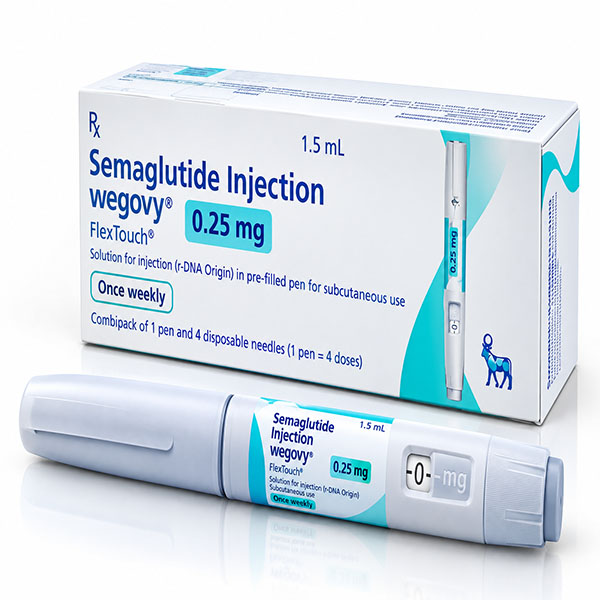
Semaglutide is available in different formulations and brand-name products. These products may have different approved uses, doses, and administration instructions.
How Does Semaglutide Work?
Semaglutide works by activating GLP-1 receptors in the body. It supports several processes involved in blood sugar control and appetite regulation.
Its main actions include:
- Blood sugar control: It helps the pancreas release insulin when blood glucose levels are high.
- Glucagon regulation: It reduces the release of glucagon when appropriate, helping limit excess glucose production by the liver.
- Slower stomach emptying: It slows the movement of food from the stomach into the small intestine.
- Appetite regulation: It can help people feel full for longer and reduce hunger.
These effects can help eligible patients manage type 2 diabetes or achieve weight loss when semaglutide is prescribed for an approved weight-management indication.
Potential Benefits of Semaglutide
The benefits of semaglutide depend on the product prescribed and the patient’s medical needs.
1. Blood Sugar Management
Semaglutide can help improve blood glucose control in adults with type 2 diabetes. It is often used alongside healthy eating, physical activity, and other treatments when appropriate.
2. Medical Weight Management
Certain semaglutide products are approved to support long-term weight reduction in eligible people with obesity or overweight and related health conditions.
Semaglutide may reduce appetite and increase feelings of fullness. Weight-loss results vary from person to person and are not guaranteed.
3. Cardiovascular Risk Reduction
Some semaglutide products have approved indications for reducing the risk of serious cardiovascular events in specific patient groups. Eligibility depends on the patient’s health history and the product’s prescribing information.
4. Support for a Long-Term Treatment Plan
When prescribed appropriately, semaglutide can form part of a broader healthcare plan. Regular medical follow-up helps healthcare professionals assess treatment response, monitor side effects, and determine whether the treatment remains suitable.
Semaglutide Products: Understanding the Differences
Semaglutide is the active ingredient in several prescription medicines. Although they contain the same active ingredient, their approved uses are not identical.
- Ozempic: An injectable prescription medicine primarily used to improve blood sugar control in adults with type 2 diabetes. It also has certain additional risk-reduction indications.
- Wegovy: Available in injectable and oral formulations in the United States, with approved uses that include chronic weight management and certain cardiovascular risk-reduction indications.
- Rybelsus: An oral prescription medicine used to improve blood sugar control in adults with type 2 diabetes.
These medicines are not automatically interchangeable. Do not combine semaglutide products or switch between them without instructions from your healthcare professional.
How Is Semaglutide Taken?
Semaglutide is available in injectable and oral formulations, depending on the specific product.
Injectable formulations are generally administered on a prescribed schedule, while oral formulations have specific instructions about when and how to take each dose.
Your prescribed dosage depends on the product, treatment indication, response to therapy, and tolerance.
For safe use:
- Follow the prescription and product-specific instructions.
- Do not increase your dose without medical guidance.
- Ask your pharmacist or healthcare professional how to handle a missed dose.
- Tell your healthcare professional about all medicines and supplements you take.
- Attend recommended follow-up appointments.
Never use someone else’s prescription medication or share injection pens, syringes, or needles.
Common Semaglutide Side Effects
Like other prescription medicines, semaglutide can cause side effects. Many commonly reported side effects affect the digestive system, especially when starting treatment or increasing the dose.
Possible side effects include:
- Nausea
- Vomiting
- Diarrhea
- Constipation
- Abdominal discomfort or pain
- Bloating
- Indigestion
- Reduced appetite
Some side effects may improve as the body adjusts, but persistent or worsening symptoms should be discussed with a healthcare professional.
Serious Safety Considerations
Semaglutide can also cause serious adverse effects in some patients. These may include pancreatitis, gallbladder problems, dehydration-related kidney problems, and severe gastrointestinal reactions.
Seek urgent medical attention for severe or persistent abdominal pain, serious allergic reactions, or symptoms of significant dehydration.
Some semaglutide products carry a boxed warning about thyroid C-cell tumors observed in rodents. These products are contraindicated in people with a personal or family history of medullary thyroid carcinoma or in people with multiple endocrine neoplasia syndrome type 2 (MEN 2).
Tell your healthcare professional if you are pregnant, planning to become pregnant, breastfeeding, or have a history of pancreatic, gallbladder, kidney, or gastrointestinal problems. Your individual risks and treatment options should be assessed before use.
Who Should Consider Semaglutide?
Semaglutide may be appropriate for people who meet the medical criteria for an approved indication. It is not suitable for everyone, and eligibility cannot be determined by weight alone.
A healthcare professional can review your medical history, current medications, treatment goals, and relevant health measurements before deciding whether semaglutide is appropriate.
People seeking weight management should understand that prescription medication works best as part of an individualized care plan that may include nutritional changes, physical activity, and ongoing medical support.
Frequently Asked Questions About Semaglutide
Is semaglutide used for weight loss?
Yes. Certain semaglutide products are approved for chronic weight management in eligible patients. The specific product and treatment plan depend on individual medical needs.
How long does semaglutide take to work?
The time needed to see results varies. Changes in blood sugar, appetite, and body weight may occur at different rates. Your healthcare professional can help monitor your response over time.
Is semaglutide available as a pill?
Yes. Oral semaglutide formulations are available, but their approved indications and administration instructions differ from those of injectable products.
Can semaglutide cause side effects?
Yes. Common side effects include nausea, diarrhea, vomiting, constipation, and abdominal discomfort. Serious adverse effects are also possible, so medical supervision is important.
Can I take semaglutide without a prescription?
Semaglutide is a prescription medication in the United States. It should be obtained through appropriate, lawful channels and used under the guidance of a qualified healthcare professional.
Can I combine semaglutide with another weight-loss medication?
Do not combine semaglutide with another semaglutide-containing medicine or another GLP-1 receptor agonist unless specifically directed by a qualified healthcare professional. Other medication combinations also require a safety review.
Explore Semaglutide Information at Sure Pharma Meds Hub
Choosing a prescription medication requires reliable information and careful consideration of individual health needs. Understanding the uses, potential benefits, and risks of semaglutide can help you have a more informed discussion with your healthcare professional.
Visit Sure Pharma Meds Hub to explore our pharmaceutical information and product categories. Before purchasing or using any prescription medicine, verify the product, prescription requirements, dispensing pharmacy, and suitability for your medical needs.
Important medical disclaimer: This article is for educational purposes only and does not replace professional medical advice, diagnosis, or treatment. Semaglutide should be used only as prescribed by a qualified healthcare professional. Always consult your healthcare professional or pharmacist before starting, stopping, or changing any medication.




There are no reviews yet.