

Demerol (Meperidine): Uses, Benefits, Side Effects, and Safety Information
What Is Demerol?
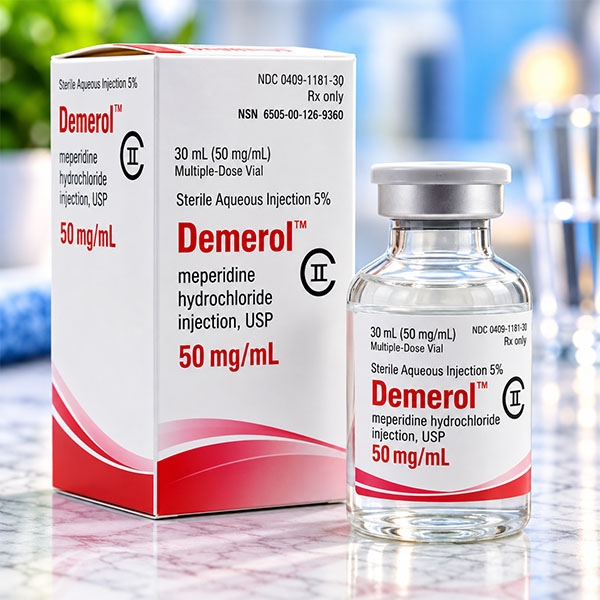
Demerol is the brand name for meperidine, a prescription opioid analgesic. It belongs to a class of medicines that act on opioid receptors in the brain and nervous system to help relieve pain.
Demerol is not suitable for every patient or every type of pain. Healthcare professionals consider its potential benefits, the patient’s medical history, and the availability of safer alternatives before prescribing it.
Key product information:
- Brand name: Demerol
- Active ingredient: Meperidine hydrochloride
- Drug class: Opioid analgesic
- Primary use: Selected cases of severe pain
- Prescription status: Prescription-only medication
- Controlled substance status in the United States: Schedule II
Demerol is a controlled medication because it carries a risk of misuse, addiction, overdose, and physical dependence.
What Is Demerol Used For?
Demerol may be prescribed for severe pain when other treatment options are ineffective, unsuitable, or insufficient. The injectable formulation also has specific uses in supervised medical settings.
Depending on the formulation and clinical circumstances, its uses may include:
- Severe acute pain: Relief of certain episodes of pain that require an opioid analgesic.
- Preoperative medication: Use before surgery as part of a medically supervised treatment plan.
- Support of anesthesia: Administration in selected settings under professional supervision.
- Obstetrical analgesia: Use in specific childbirth-related medical circumstances when clinically appropriate.
Demerol is generally reserved for carefully selected situations. It is not recommended for routine treatment of chronic pain, and prolonged use can increase the risk of toxic metabolite accumulation and seizures.
How Does Demerol Work?
Demerol works by binding to opioid receptors in the central nervous system. This changes how the brain and spinal cord process pain signals, helping reduce the sensation of pain.
However, the same action can also affect breathing, alertness, and digestive function. These effects explain why medical supervision is essential during treatment.
The dose and duration of treatment must be determined by a qualified healthcare professional. Patients should never increase their dose or use another person’s prescription.
Demerol Dosage and Administration
The appropriate Demerol dosage depends on the prescribed formulation, the severity of the pain, the patient’s age, medical history, other medications, and response to treatment.
Healthcare professionals aim to use the lowest effective dose for the shortest necessary duration. They may also consider alternative pain treatments based on individual risks.
Patients should follow these precautions:
- Take or receive Demerol only as prescribed.
- Do not change the dose or frequency without medical advice.
- Do not share this medication with anyone else.
- Tell your healthcare professional about all medicines and supplements you use.
- Do not stop prolonged treatment suddenly without professional guidance if physical dependence may have developed.
Injectable Demerol must be administered according to professional prescribing and monitoring requirements. Never attempt to administer an injectable opioid without appropriate medical training and authorization.
Demerol Side Effects
Like other opioid medications, Demerol can cause side effects. Their severity varies depending on the patient, dose, and other medicines being used.
Common side effects
Reported side effects include:
- Nausea and vomiting
- Dizziness or lightheadedness
- Drowsiness or sedation
- Sweating
Patients should avoid driving, operating machinery, or performing activities requiring full alertness until they understand how the medicine affects them.
Serious side effects
Demerol can also cause serious complications, including:
- Slow, shallow, or difficult breathing
- Severe sedation or loss of consciousness
- Low blood pressure
- Serotonin syndrome when certain interacting medicines are used
- Seizures, particularly when toxic metabolites accumulate
- Opioid dependence, misuse, or addiction
Seek emergency medical help immediately if someone taking Demerol has slow or stopped breathing, cannot be awakened, or shows signs of a suspected overdose. Administer naloxone if available and follow emergency medical instructions.
Important Demerol Safety Warnings
Demerol carries significant risks that patients and caregivers should understand before treatment begins.
Risk of addiction and dependence
Demerol can cause addiction, misuse, and physical dependence, even when taken as prescribed. Healthcare professionals should assess these risks before treatment and monitor patients during therapy.
Risk of respiratory depression
Respiratory depression occurs when breathing becomes dangerously slow or inadequate. The risk may be higher when starting treatment, increasing the dose, or combining Demerol with other sedating substances.
Dangerous drug interactions
Tell your healthcare professional about every medication you take before beginning treatment.
Pregnancy and breastfeeding
Opioid use during pregnancy can present risks, including neonatal opioid withdrawal syndrome following prolonged exposure. Discuss pregnancy, plans for pregnancy, and breastfeeding with a qualified healthcare professional before using Demerol.
Medical conditions requiring special attention
Tell your healthcare professional if you have breathing problems, a history of seizures, liver or kidney problems, or other significant medical conditions. Older adults and people with certain chronic illnesses may require additional precautions.
Who Should Avoid Demerol?
Demerol is not appropriate for everyone. It is contraindicated in certain circumstances, including significant respiratory depression, severe acute asthma in an unmonitored setting, known or suspected gastrointestinal obstruction, and use of MAOIs within the prohibited period.
A history of medication reactions, current medicines, and other medical conditions should be reviewed before treatment. Only a qualified healthcare professional can determine whether Demerol is appropriate for an individual patient.
How Should Demerol Be Stored?
Store Demerol according to the instructions on its prescription label and packaging. Keep it securely locked away from children, visitors, and anyone who might misuse it.
Never share an opioid medication. Dispose of unused medicine through an authorized medication take-back program or follow local pharmaceutical disposal guidance.
Accidental ingestion can be fatal, especially in children.
Frequently Asked Questions About Demerol
1. What is Demerol commonly used for?
Demerol is used in selected cases of severe pain when an opioid is necessary and alternative treatments are inadequate. Its injectable formulation also has specific uses in surgical and other supervised medical settings.
2. Is Demerol a strong pain medication?
Yes. Demerol is an opioid analgesic that can relieve severe pain. However, its potential benefits must be weighed against serious risks, including respiratory depression, addiction, and overdose.
3. What is the generic name for Demerol?
The generic name is meperidine, also known as meperidine hydrochloride in its medicinal salt form.
4. Can Demerol cause addiction?
Yes. Demerol carries a risk of misuse, addiction, and physical dependence. Use it only as prescribed and under appropriate medical supervision.
5. Can Demerol be taken with alcohol?
No. Alcohol can increase the sedating effects of Demerol and raise the risk of dangerous breathing problems, coma, and death. Avoid alcohol while taking this medication.
6. Is Demerol suitable for long-term pain management?
Demerol is generally not recommended for long-term pain management. Prolonged use can cause toxic metabolite accumulation and increase the risk of seizures. A healthcare professional can help identify safer and more appropriate treatment options.
7. Do I need a prescription for Demerol?
Yes. In the United States, Demerol is a Schedule II controlled prescription medication. It must be prescribed and handled in accordance with applicable laws and regulations.
Final Thoughts on Demerol
Demerol (meperidine) is a prescription opioid used in selected medical situations to manage severe pain. Although it can provide pain relief when clinically appropriate, it carries important risks, including addiction, respiratory depression, dangerous drug interactions, and seizures associated with prolonged use.
Patients should use Demerol only under qualified medical supervision and follow all prescribing and safety instructions. A healthcare professional can help determine whether this medication or an alternative treatment is the most appropriate choice.
Medical disclaimer: This article is for educational purposes only and does not replace professional medical advice, diagnosis, or treatment. Always consult a qualified healthcare professional before starting, changing, or stopping a prescription medication.



There are no reviews yet.