

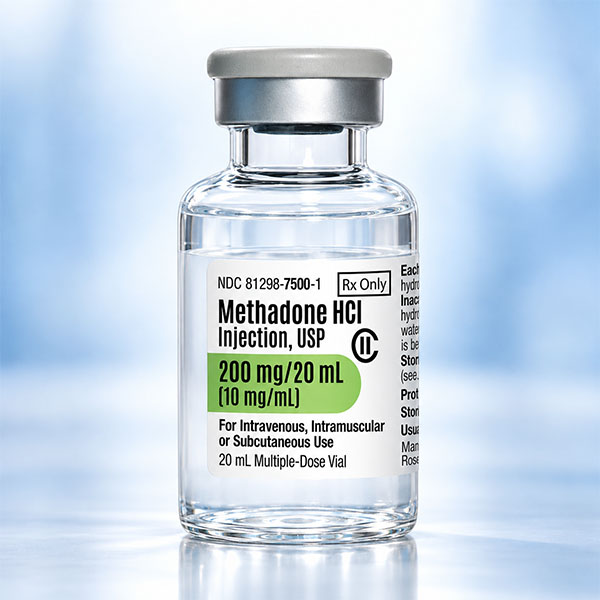

Methadone: Uses, Benefits, Safety Information, and Precautions
Methadone is a long-acting prescription opioid medication used to manage certain types of severe, persistent pain and to treat opioid use disorder. When prescribed and monitored by a qualified healthcare professional, methadone can help reduce withdrawal symptoms, control cravings, and support ongoing treatment. It also carries serious risks, including dependence, respiratory depression, and overdose.
What Is Methadone?
Methadone is a synthetic opioid that acts on opioid receptors in the brain and nervous system. It changes how the body perceives pain and can help prevent withdrawal symptoms in people receiving treatment for opioid use disorder.
Methadone is available in different prescription formulations, including oral tablets and liquid solutions. The appropriate formulation depends on the patient’s medical needs and the intended use.
Because methadone stays in the body for a long time, its effects can build up. Medical supervision is essential to help reduce the risk of serious complications.
What Is Methadone Used For?
Healthcare professionals may prescribe methadone for specific medical conditions.
1. Treatment of Opioid Use Disorder
Methadone is used as part of medication-based treatment for opioid use disorder. It helps reduce opioid cravings and withdrawal symptoms, allowing patients to focus on recovery and daily activities.
Treatment may also include counseling, behavioral support, and regular medical follow-up.
2. Management of Severe Pain
Methadone may be prescribed for severe, persistent pain when other treatment options are ineffective, unsuitable, or not well tolerated.
Due to its long duration of action and potential for serious side effects, it requires careful patient assessment and ongoing monitoring.
3. Support During Long-Term Treatment
For some patients, methadone forms part of a structured, long-term treatment plan. A healthcare professional evaluates the patient’s response and adjusts treatment when medically necessary.
How Does Methadone Work?
Methadone works by acting on opioid receptors in the central nervous system.
Its main effects include:
- Pain relief: Changes how the brain and nervous system respond to pain.
- Withdrawal symptom control: Helps reduce symptoms associated with stopping other opioids.
- Craving reduction: Helps some people with opioid use disorder manage cravings and maintain treatment stability.
Methadone’s long-lasting effects can be beneficial in supervised treatment. However, they also mean that the medication can accumulate in the body, increasing the risk of sedation and breathing problems.
Potential Benefits of Methadone
When used for an approved medical purpose under professional supervision, methadone may provide several benefits:
- Helps manage certain types of severe, persistent pain.
- Reduces opioid withdrawal symptoms.
- Helps control cravings associated with opioid use disorder.
- Supports continuity in structured addiction treatment.
- May improve daily functioning when included in an appropriate treatment plan.
The benefits and risks vary between individuals. A qualified healthcare professional can determine whether methadone is an appropriate treatment option.
Methadone Side Effects
Like other prescription opioids, methadone can cause side effects. Some are mild, while others require immediate medical attention.
Common Side Effects
Possible side effects include:
Contact a healthcare professional if side effects persist, worsen, or interfere with everyday activities.
Serious Side Effects
Methadone can cause potentially life-threatening complications, including:
- Slow, shallow, or difficult breathing
- Extreme sleepiness or loss of consciousness
- Abnormal heart rhythms
- Severe confusion
- Opioid overdose
Seek emergency medical assistance immediately if someone taking methadone develops slow breathing, cannot be awakened, or shows other signs of an opioid overdose.
Important Methadone Safety Precautions
Methadone must be used exactly as prescribed. Taking more than the prescribed amount or combining it with certain substances can increase the risk of serious harm.
Before starting treatment, inform your healthcare professional about your medical history and all medications or supplements you take.
Important precautions include:
- Avoid alcohol unless your healthcare professional specifically advises otherwise.
- Do not combine methadone with sedatives, benzodiazepines, or other opioids unless a qualified prescriber has assessed and managed the risks.
- Do not increase, reduce, or change your dose without medical advice.
- Do not stop regular treatment suddenly without consulting your healthcare professional.
- Keep methadone securely stored and away from children and anyone for whom it was not prescribed.
- Ask your healthcare professional whether naloxone should be available to help reverse a potential opioid overdose.
Pregnant or breastfeeding patients should discuss the benefits and risks of treatment with a qualified healthcare professional.
Who Should Take Methadone?
Methadone is appropriate only for patients who have been assessed by a qualified healthcare professional and have a valid medical indication.
Before prescribing it, a clinician may review:
- The patient’s diagnosis and treatment goals
- Current medications and possible drug interactions
- Respiratory and cardiovascular health
- History of substance use or medication-related complications
- Previous responses to opioid treatment
Methadone is not suitable for everyone. Never use medication prescribed to another person.
Methadone Dosage and Administration
Methadone dosage depends on the medical condition being treated, the formulation, the patient’s previous opioid exposure, and individual risk factors.
There is no single dose that is appropriate for everyone. Methadone can cause delayed respiratory depression, particularly when treatment begins or the dose changes.
Patients should follow the exact instructions provided by their prescriber and pharmacist. Never take extra doses to achieve a faster effect, and seek professional advice if a dose is missed or a treatment concern arises.
Frequently Asked Questions About Methadone
Is methadone a prescription medication?
Yes. Methadone is a prescription opioid that requires appropriate medical oversight. Rules governing its dispensing and use for opioid use disorder may vary by jurisdiction.
Is methadone used to treat opioid addiction?
Yes. Methadone is an established medication for treating opioid use disorder. It can reduce cravings and withdrawal symptoms when used as part of a medically supervised treatment plan.
How long does methadone stay in the body?
Methadone can remain in the body for an extended period. The duration varies according to individual metabolism, health, dose, and other factors. Its effects may accumulate even when doses are taken as prescribed.
Can methadone cause dependence?
Yes. Physical dependence can develop during treatment, and abrupt discontinuation may cause withdrawal symptoms. Follow your clinician’s advice when changing or ending treatment.
Can methadone be taken with other medications?
Some medications can interact with methadone and increase the risk of sedation, breathing difficulties, or heart rhythm problems. Tell your prescriber and pharmacist about all prescription medicines, over-the-counter products, and supplements you use.
Is methadone safe for everyone?
No. Methadone can be beneficial for appropriately selected patients, but it carries significant risks. A healthcare professional must assess whether the potential benefits outweigh the risks for each individual.
Final Thoughts
Methadone is an important prescription medication for managing certain severe pain conditions and treating opioid use disorder. Its potential benefits depend on correct prescribing, careful monitoring, and adherence to professional medical guidance.
Understanding its uses, side effects, and precautions can help patients make more informed healthcare decisions. Always consult a qualified healthcare professional before starting, changing, or stopping methadone treatment.
Medical disclaimer: This article is for educational purposes only. It does not replace professional medical advice, diagnosis, or treatment.
About Sure Pharma Meds Hub: We aim to provide accessible medication information to help readers better understand prescription medicines and responsible healthcare practices.




There are no reviews yet.