

Ecstasy (MDMA): Uses, Effects, Risks, and Safety Information
Ecstasy (MDMA) is a psychoactive substance that affects mood, energy, perception, and emotional responses. It is also known as Molly or by its chemical name, 3,4-methylenedioxymethamphetamine. Although some people use MDMA recreationally, it can cause serious and sometimes life-threatening health problems.
Understanding MDMA’s effects, potential risks, and legal status can help people make informed decisions about their health.
What Is Ecstasy (MDMA)?
What Are the Effects of MDMA?
The effects of MDMA depend on several factors, including the substance’s composition, the person’s health, other medications or substances taken, and the surrounding environment.
Short-Term Effects
Possible short-term effects include:
- Increased energy and alertness
- Elevated mood or feelings of emotional closeness
- Increased sensitivity to sound, light, or touch
- Faster heart rate and higher blood pressure
- Increased body temperature and sweating
- Jaw clenching, muscle tension, or nausea
- Anxiety, confusion, or panic
Some people also experience dehydration, overheating, or dangerous changes in the body’s salt balance.
After-Effects of MDMA
The severity and duration of after-effects vary. Repeated use may increase health risks and can contribute to ongoing psychological difficulties.
What Are the Health Risks of Ecstasy?
Overheating and Dehydration
MDMA can raise body temperature and increase the risk of heat-related illness, especially during prolonged physical activity or in hot environments.
Excessive water consumption can also be dangerous because MDMA may interfere with the body’s ability to regulate water balance. Both dehydration and dangerously low blood sodium levels can cause serious complications.
Heart and Circulation Problems
People with existing heart or blood pressure conditions may face additional risks.
Mental Health Effects
MDMA can cause anxiety, agitation, panic, confusion, and sleep disturbances. Some people experience low mood after using it.
Severe reactions may include paranoia or other significant changes in mental state. Anyone experiencing persistent psychological symptoms should seek medical advice.
Dangerous Drug Interactions
Combining MDMA with other substances or medications can increase the risk of harmful reactions. Interactions involving serotonergic medications or other stimulants may be particularly concerning.
Anyone taking prescription medication should consult a qualified healthcare professional about potential interactions.
Is MDMA a Prescription Medication?
MDMA is not an ordinary over-the-counter medicine. Its legal classification and permitted uses vary by country and jurisdiction.
Researchers have studied MDMA in controlled clinical settings for potential therapeutic applications. However, research conducted under medical supervision is different from taking an unregulated product.
The legal status of MDMA-assisted therapy, where applicable, depends on local regulations and current medical authorization. Research findings should not be interpreted as proof that recreational MDMA use is safe.
What Should You Do in an MDMA Emergency?
Seek emergency medical assistance if someone who may have taken MDMA develops any of the following symptoms:
- Very high body temperature
- Seizures or loss of consciousness
- Severe confusion or agitation
- Chest pain or difficulty breathing
- Collapse or inability to wake up
Do not leave the person alone or assume they can simply sleep off the effects. Tell emergency responders what the person may have taken, if known.
Avoid giving an unconscious person food, drink, or medication. Follow instructions from emergency professionals.
Frequently Asked Questions About Ecstasy (MDMA)
Is ecstasy the same as MDMA?
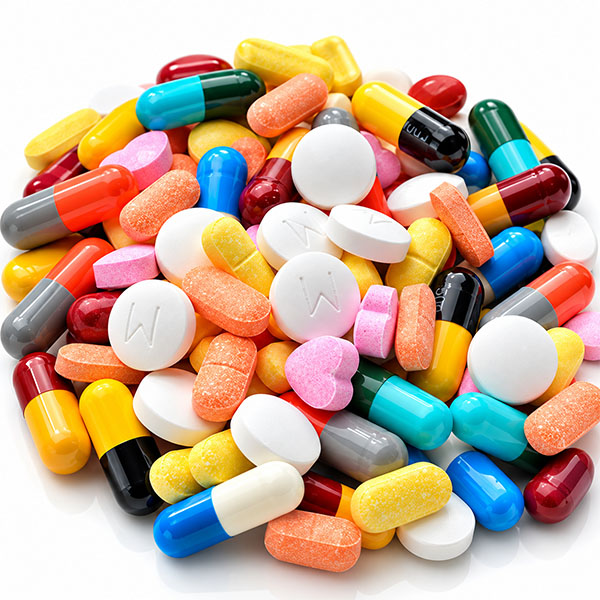
Ecstasy commonly refers to tablets sold as MDMA. However, the contents of these products can vary, and some may contain other substances. The name on a product does not confirm its chemical composition.
How long do the effects of MDMA last?
The duration varies depending on the substance, the individual, and other factors. Some after-effects, such as fatigue, sleep problems, and low mood, may continue after the main effects have ended.
Can MDMA cause addiction?
MDMA can lead to problematic patterns of use. Some people experience cravings or difficulty controlling their use, and repeated use can increase health risks. Anyone concerned about their substance use should seek support from a qualified healthcare professional.
Can MDMA interact with prescription medicines?
Yes. MDMA can interact with certain prescription medicines and other psychoactive substances. The type and severity of an interaction depend on the substances involved. A doctor or pharmacist can provide advice based on an individual’s medication history.
Is MDMA safe because it is used in research?
No. Controlled clinical research uses specific protocols, screening, monitoring, and trained professionals. These conditions differ significantly from recreational use or products obtained from unverified sources.
Final Thoughts
Ecstasy (MDMA) affects the brain and body in ways that can be unpredictable. Although some people report positive subjective effects, the substance carries meaningful risks, including overheating, cardiovascular complications, dangerous drug interactions, and mental health effects.
Reliable health information, professional medical advice, and prompt emergency care when warning signs appear are important for reducing harm.
Medical disclaimer: This article is for educational purposes only. It does not replace professional medical advice, diagnosis, or treatment. Always consult a qualified healthcare professional for individual health concerns.

There are no reviews yet.