


Tramadol –
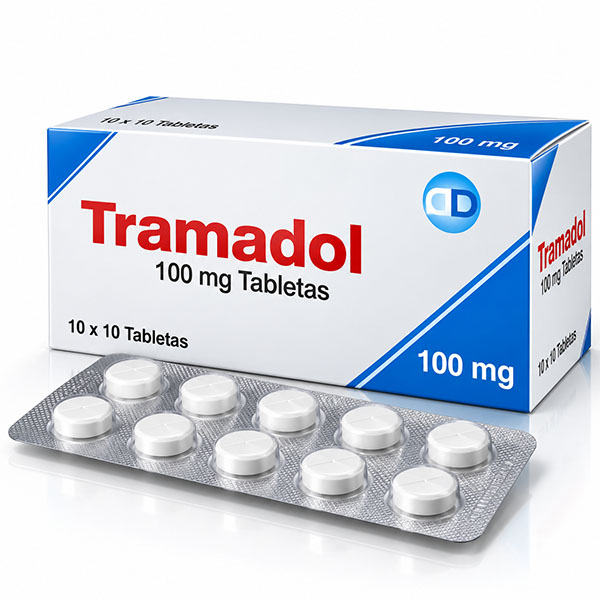
Tramadol Hydrochloride is a prescription opioid analgesic used to manage certain types of moderate to moderately severe pain. It acts on the central nervous system through opioid receptor activity and by influencing the reuptake of neurotransmitters involved in pain signaling. Tramadol is available in different formulations and strengths, and its use should be determined by a qualified healthcare professional.
What Is Tramadol?
Tramadol is a centrally acting analgesic belonging to the opioid class of medicines. It is prescribed for pain management when a healthcare professional determines that its potential benefits outweigh its risks and that alternative treatments may not be suitable.
Tramadol has a dual mechanism of action. It binds to μ-opioid receptors and also inhibits the reuptake of norepinephrine and serotonin. Its active metabolite, O-desmethyltramadol, contributes to its analgesic effects.
Because tramadol affects the central nervous system, it can cause dependence, misuse, respiratory depression, and other serious adverse effects. It should only be used according to an authorized prescription.
Key Product Information
| Product Attribute | Details |
|---|---|
| Generic Name | Tramadol Hydrochloride |
| Drug Class | Opioid Analgesic |
| Primary Use | Pain Management |
| Mechanism | μ-Opioid Receptor Agonism and Monoamine Reuptake Inhibition |
| Available Forms | Immediate-Release and Extended-Release Formulations |
| Administration | Oral, depending on formulation |
| Prescription Status | Prescription Medication |
| Common Strengths | 50 mg immediate-release tablets; other strengths and formulations vary |
| Drug Schedule | Depends on the country and jurisdiction |
| Manufacturer | Varies by product and market |
Availability, approved indications, and controlled-substance classification vary by country.
Therapeutic Uses of Tramadol
Tramadol may be prescribed for the management of certain pain conditions when clinically appropriate.
Potential therapeutic applications include:
-
Treatment of pain that requires an opioid analgesic.
-
Management of selected moderate to moderately severe pain conditions.
-
Pain management when a healthcare professional determines that tramadol is appropriate based on the patient’s condition and medical history.
Tramadol is not suitable for every type of pain. The choice of treatment depends on pain severity, underlying causes, other health conditions, and the risks associated with opioid therapy.
How Tramadol Works
Tramadol provides analgesic effects through two primary mechanisms:
1. Opioid Receptor Activity
Tramadol and its active metabolite interact with μ-opioid receptors in the central nervous system. This reduces the transmission and perception of pain signals.
2. Neurotransmitter Reuptake Inhibition
Tramadol inhibits the reuptake of norepinephrine and serotonin. These neurotransmitters contribute to descending pain-modulation pathways, which can influence how the nervous system processes pain.
The combined mechanisms contribute to tramadol’s pain-relieving effects, while also contributing to the risk of adverse reactions and drug interactions.
Dosage and Administration
Tramadol dosage must be individualized by a healthcare professional according to the formulation, pain severity, patient age, kidney and liver function, and other medications.
General prescribing considerations:
-
Take tramadol only as prescribed.
-
Do not exceed the prescribed dose or frequency.
-
Swallow extended-release formulations whole; do not crush, chew, or split them unless the product labeling specifically permits it.
-
Avoid taking extra doses if pain relief is inadequate without consulting your healthcare professional.
-
Do not stop long-term treatment suddenly without medical guidance, as withdrawal symptoms may occur.
Important: Immediate-release and extended-release tramadol products have different dosing instructions. The specific approved product label must be followed.
Common Side Effects
Tramadol may cause side effects, including:
-
Nausea and vomiting
-
Dizziness
-
Drowsiness
-
Constipation
-
Headache
-
Dry mouth
-
Sweating
-
Fatigue
Side effects may be more pronounced when treatment begins or when the dose is increased. Discuss persistent or troublesome symptoms with a healthcare professional.
Serious Side Effects and Warnings
Tramadol carries important safety risks because it is an opioid medication.
Respiratory Depression
Tramadol can cause life-threatening respiratory depression, particularly during treatment initiation, dose increases, or when combined with other central nervous system depressants.
Seek emergency medical assistance if someone taking tramadol experiences:
-
Slow, shallow, or difficult breathing.
-
Extreme sleepiness or inability to wake up.
-
Loss of consciousness.
-
Blue or gray discoloration of the lips or skin.
Serotonin Syndrome
Tramadol can increase the risk of serotonin syndrome, especially when combined with serotonergic medicines such as certain antidepressants.
Potential symptoms include:
-
Agitation or confusion.
-
Excessive sweating.
-
Fever.
-
Rapid heart rate.
-
Muscle rigidity or twitching.
-
Loss of coordination.
Serotonin syndrome can be life-threatening and requires urgent medical assessment.
Seizure Risk
Tramadol may increase the risk of seizures, including at recommended doses. The risk may be higher in people with a history of seizures or when tramadol is combined with medicines that lower the seizure threshold.
Dependence and Withdrawal
Repeated use of tramadol can result in physical dependence and, in some individuals, opioid use disorder. Abrupt discontinuation after prolonged use can cause withdrawal symptoms.
A healthcare professional should guide any tapering or discontinuation plan.
Drug Interactions
Tramadol can interact with other medications and substances.
Important Interactions
-
Alcohol: Can increase sedation and the risk of respiratory depression.
-
Benzodiazepines: Combining with tramadol can cause profound sedation, respiratory depression, coma, or death.
-
Antidepressants: SSRIs, SNRIs, MAOIs, and other serotonergic medicines may increase the risk of serotonin syndrome or seizures.
-
Other opioids: May increase the risk of excessive sedation and respiratory depression.
-
CYP2D6 and CYP3A4 modifiers: Certain medicines can change tramadol exposure or alter its conversion to active metabolites.
Inform your healthcare professional about all prescription medications, over-the-counter products, and supplements you use.
Contraindications and Precautions
Tramadol may not be appropriate for people with certain medical conditions.
Tell your healthcare professional if you have:
-
Severe breathing problems or respiratory disease.
-
Significant liver or kidney impairment.
-
A history of seizures.
-
Previous substance use disorder.
-
Head injury or increased intracranial pressure.
-
Current use of antidepressants, sedatives, or other opioids.
-
Pregnancy or breastfeeding considerations.
Tramadol is contraindicated in certain situations, including significant respiratory depression, acute or severe bronchial asthma in an unmonitored setting, gastrointestinal obstruction such as paralytic ileus, and specific medication combinations such as MAOI use within the relevant contraindication period. Consult the approved product labeling for complete contraindications.
Storage Information
Store tramadol according to the manufacturer’s instructions.
-
Keep the medicine in its original packaging.
-
Store at the recommended temperature.
-
Protect it from moisture and excessive heat.
-
Keep out of reach of children and unauthorized users.
-
Dispose of unused medication safely according to local guidelines.
Because tramadol is an opioid, secure storage is important to reduce the risk of accidental ingestion, misuse, or diversion.
Frequently Asked Questions
What is Tramadol used for?
Tramadol is a prescription opioid analgesic used to manage certain moderate to moderately severe pain conditions when a healthcare professional determines it is appropriate.
Is Tramadol an opioid?
Yes. Tramadol is a centrally acting opioid analgesic with additional effects on norepinephrine and serotonin reuptake.
Can Tramadol cause dependence?
Yes. Tramadol can cause physical dependence, tolerance, misuse, and opioid use disorder. Risk varies by individual and treatment circumstances.
Can Tramadol be taken with alcohol?
Combining tramadol with alcohol is dangerous because both can depress the central nervous system and increase the risk of severe sedation, respiratory depression, overdose, and death.
What are the most common side effects of Tramadol?
Common side effects include nausea, dizziness, drowsiness, constipation, headache, and sweating.
Can Tramadol be stopped suddenly?
If tramadol has been used regularly, sudden discontinuation may cause withdrawal symptoms. Consult a healthcare professional about an appropriate reduction or discontinuation plan.





There are no reviews yet.