


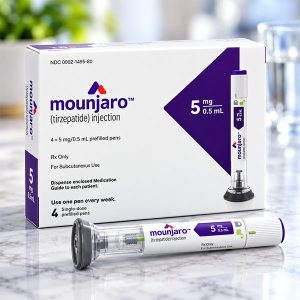

Ozempic (Semaglutide): Uses, Benefits, Dosage, and Safety Information
Ozempic (semaglutide) is a prescription medication used to help adults with type 2 diabetes manage their blood sugar levels. It belongs to a class of medicines called GLP-1 receptor agonists. When used as prescribed, Ozempic can also help reduce certain cardiovascular and kidney risks in eligible patients.
At Sure Pharma Meds Hub, we believe that informed healthcare decisions begin with clear, reliable, and easy-to-understand information. This guide explains how Ozempic works, its approved uses, potential benefits, common side effects, and important safety considerations.
What Is Ozempic (Semaglutide)?
Ozempic is an injectable prescription medicine that contains semaglutide as its active ingredient. It works by mimicking the action of a natural hormone called glucagon-like peptide-1 (GLP-1).
This hormone helps regulate blood glucose levels, supports insulin release when blood sugar is elevated, and slows stomach emptying. These effects can help improve blood sugar control in adults with type 2 diabetes.
Ozempic is administered as a subcutaneous injection, which means it is injected under the skin. It is generally used alongside a balanced diet, regular physical activity, and an individualized diabetes management plan.
What Is Ozempic Used For?
Ozempic has several approved uses in eligible adults, depending on their medical history and individual health needs.
1. Managing Type 2 Diabetes
Ozempic helps improve blood sugar control in adults with type 2 diabetes. It supports the body’s natural response to elevated glucose levels and may help reduce HbA1c, a measure of average blood sugar over time.
2. Reducing Cardiovascular Risk
For certain adults with type 2 diabetes and established cardiovascular disease, Ozempic can help reduce the risk of major cardiovascular events, including heart attack, stroke, and cardiovascular death.
3. Supporting Kidney Health
Ozempic is also approved to reduce the risk of sustained kidney function decline, end-stage kidney disease, and cardiovascular death in adults with type 2 diabetes and chronic kidney disease.
A healthcare professional can determine whether Ozempic is appropriate based on a patient’s diagnosis, existing conditions, and current medications.
How Does Ozempic Work?
Ozempic works by activating GLP-1 receptors in the body. This helps regulate blood sugar through several mechanisms:
- Supports insulin release: Helps the pancreas release insulin when blood glucose levels are elevated.
- Reduces glucagon secretion: Helps limit the release of glucagon, a hormone that can increase blood sugar.
- Slows stomach emptying: Can slow the movement of food from the stomach into the small intestine.
- May reduce appetite: Some patients experience reduced hunger, which may contribute to weight loss.
These effects can improve glucose management. However, individual responses vary, and Ozempic is not a substitute for a comprehensive diabetes care plan.
Ozempic Dosage and Administration
Ozempic is usually administered once weekly, with or without meals. The prescribed dose depends on the patient’s treatment goals, response to therapy, and tolerance.
Treatment commonly begins with a low dose to help the body adjust. A healthcare professional may increase the dose gradually when appropriate.
Important dosage guidelines:
- Follow the dose and schedule prescribed by your healthcare professional.
- Use the injection pen according to the official instructions.
- Do not increase your dose without medical guidance.
- Ask your healthcare professional what to do if you miss a dose.
- Do not share injection pens, even if the needle is changed.
The appropriate dose varies by patient. Always consult the current prescribing information and your healthcare professional before starting or changing treatment.
Potential Benefits of Ozempic
When prescribed for an appropriate medical condition, Ozempic may provide several benefits:
- Improved blood sugar control in adults with type 2 diabetes.
- Lower HbA1c levels over time.
- Reduced risk of major cardiovascular events in eligible patients with type 2 diabetes and established cardiovascular disease.
- Reduced risk of certain serious kidney outcomes in eligible adults with type 2 diabetes and chronic kidney disease.
- Potential weight reduction in some patients.
Results differ from person to person. Ozempic is not approved in the United States solely as a weight-loss medication. Semaglutide products approved specifically for chronic weight management have separate indications and dosing instructions.
Common Side Effects of Ozempic
Like other prescription medicines, Ozempic can cause side effects. The most commonly reported effects involve the digestive system.
These may include:
Some side effects may improve as the body adjusts to treatment. Eating smaller meals and avoiding foods that worsen nausea may help, but patients should follow their healthcare professional’s advice.
Serious Warnings and Precautions
Ozempic also carries important safety warnings. Seek prompt medical attention if you experience severe or persistent abdominal pain, signs of a serious allergic reaction, or other concerning symptoms.
Before starting treatment, tell your healthcare professional if you have a history of pancreatitis, gallbladder problems, diabetic retinopathy, kidney problems, or severe digestive issues.
Ozempic has a boxed warning concerning thyroid C-cell tumors observed in rodents. It is contraindicated in people with a personal or family history of medullary thyroid carcinoma (MTC) or in people with Multiple Endocrine Neoplasia syndrome type 2 (MEN 2).
Patients should also discuss pregnancy plans, breastfeeding, and all current medications with their healthcare professional before treatment.
Who Should Consider Ozempic?
Ozempic may be appropriate for adults with type 2 diabetes who need additional blood sugar control or meet other approved treatment criteria.
It may not be suitable for everyone. A healthcare professional should review your medical history, treatment goals, potential drug interactions, and individual risk factors before prescribing it.
Ozempic is not intended to treat type 1 diabetes or diabetic ketoacidosis. It should not be used as a replacement for prescribed insulin.
Ozempic and Weight Management
Weight changes are possible during Ozempic treatment, and some patients experience weight loss because of reduced appetite and slower stomach emptying.
However, weight loss is not guaranteed. Results depend on individual factors, including diet, physical activity, treatment adherence, and overall health.
Patients seeking medication specifically for chronic weight management should discuss approved options with a qualified healthcare professional. They should not use Ozempic without an appropriate prescription or combine it with other semaglutide-containing medicines unless specifically directed by their prescriber.
Frequently Asked Questions About Ozempic
What is the active ingredient in Ozempic?
The active ingredient is semaglutide, a GLP-1 receptor agonist that helps regulate blood glucose levels.
How often is Ozempic administered?
Ozempic is generally administered once a week by subcutaneous injection. Follow your prescribed schedule and the official product instructions.
Can Ozempic help with weight loss?
Some patients lose weight while taking Ozempic. However, its approved uses differ from those of semaglutide products specifically approved for chronic weight management.
How long does Ozempic take to work?
The time needed to see results varies. Blood sugar changes may occur during treatment, while HbA1c reflects glucose control over several months. Your healthcare professional can monitor your response and determine whether your treatment plan needs adjustment.
Do I need a prescription for Ozempic?
Yes. In the United States, Ozempic is a prescription medication. It should be obtained through a legitimate, appropriately licensed pharmacy and used under qualified medical supervision.
Why Choose Sure Pharma Meds Hub?
At Sure Pharma Meds Hub, our goal is to help visitors access clear information about prescription medicines and make better-informed healthcare decisions.
When considering any medication, verify the product’s authenticity, applicable prescription requirements, storage instructions, and dispensing pharmacy credentials. Speak with a qualified healthcare professional if you have questions about suitability, dosage, or possible interactions.
Final Thoughts
Ozempic (semaglutide) is an important treatment option for eligible adults with type 2 diabetes. It can improve blood sugar control and help reduce certain cardiovascular and kidney risks in specific patient populations.
However, it is not suitable for everyone, and treatment requires medical supervision. Understanding its uses, benefits, side effects, and warnings can help patients discuss their options confidently with their healthcare professional.
Medical disclaimer: This content is for educational purposes only and is not a substitute for professional medical advice, diagnosis, or treatment. Always consult a qualified healthcare professional and review the official prescribing information before using Ozempic.
Reference: Official Ozempic prescribing information — U.S. Food and Drug Administration


There are no reviews yet.