

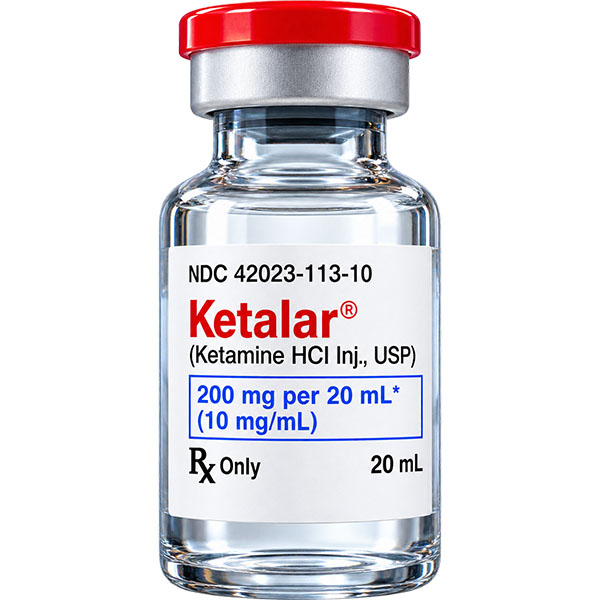

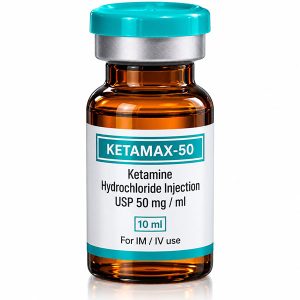
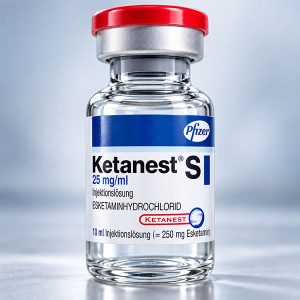
Ketalar
Ketalar is a brand name for ketamine hydrochloride, a prescription medication primarily used as an anesthetic. It belongs to a class of medicines known as dissociative anesthetics and produces anesthesia, analgesia, and sedation by affecting neurotransmitter activity in the central nervous system.
Ketalar is generally administered by trained healthcare professionals in controlled medical settings. It is used for selected surgical and diagnostic procedures and other situations where a healthcare professional determines that ketamine anesthesia is appropriate.
Ketamine can cause changes in perception, consciousness, blood pressure, heart rate, and breathing. It also has potential for misuse and dependence and should only be administered or used under appropriate medical supervision.
Product Details
| Product Attribute | Details |
|---|---|
| Brand Name | Ketalar |
| Generic Name | Ketamine Hydrochloride |
| Drug Class | Dissociative Anesthetic |
| Active Ingredient | Ketamine Hydrochloride |
| Primary Medical Use | General anesthesia |
| Other Effects | Analgesia and sedation |
| Route | Intravenous or intramuscular, depending on clinical use |
| Administration | Healthcare professional |
| Prescription Status | Prescription/controlled medication |
| Medical Supervision | Required |
How Ketalar Works
Ketamine primarily produces its anesthetic effects through NMDA (N-methyl-D-aspartate) receptor antagonism in the central nervous system.
This reduces certain excitatory signals in the brain and spinal cord and can produce:
- Dissociative anesthesia
- Analgesia
- Sedation
- Reduced awareness of the surrounding environment
Ketamine also affects several other neurotransmitter systems, contributing to its complex effects on consciousness and perception.
Medical Uses
Ketalar may be used by qualified healthcare professionals for:
- Induction of anesthesia
- Maintenance of anesthesia as part of an appropriate anesthetic regimen
- Short procedures requiring anesthesia
- Certain diagnostic or surgical procedures
- Analgesia in selected clinical circumstances
The appropriate dose, route, and treatment duration depend on the procedure and the patient’s medical condition.
Administration
Ketalar is generally administered by a healthcare professional in a medical environment where appropriate monitoring and emergency equipment are available.
The route of administration may include:
- Intravenous administration
- Intramuscular administration
The healthcare professional determines the appropriate route and regimen based on the clinical situation.
Common Effects and Side Effects
Possible effects following ketamine administration include:
- Drowsiness
- Dizziness
- Nausea
- Vomiting
- Increased heart rate
- Increased blood pressure
- Changes in perception
- Confusion
- Increased salivation
- Muscle movements
- Emergence reactions
- Temporary changes in vision or hearing
Effects vary depending on the dose, route, duration, and individual patient factors.
Emergence Reactions
Some patients may experience temporary psychological effects as ketamine anesthesia wears off. These may include:
- Vivid dreams
- Hallucination-like experiences
- Confusion
- Anxiety
- Agitation
- Changes in perception
Healthcare professionals can take appropriate measures to monitor and manage these reactions.
Important Safety Information
Ketamine can produce significant changes in consciousness and should be administered only where adequate monitoring and emergency medical support are available.
Patients receiving ketamine may experience changes in:
- Breathing
- Blood pressure
- Heart rate
- Consciousness
- Muscle tone
- Protective airway reflexes
Healthcare professionals should evaluate the patient’s medical history and monitor vital signs during and after administration.
Drug Interactions
Ketamine may interact with other medicines and substances, particularly those that affect the central nervous system.
Potentially important interactions include:
- Alcohol
- Opioids
- Benzodiazepines
- Sedative medications
- General anesthetics
- Other CNS depressants
Combining ketamine with other sedating substances can increase impairment and may increase the risk of respiratory or cardiovascular complications.
Important Precautions
Before receiving Ketalar, patients should inform their healthcare professional about relevant medical conditions, including:
- Cardiovascular disease
- High blood pressure
- Liver disease
- Increased intracranial pressure
- Certain psychiatric conditions
- Respiratory problems
- History of substance misuse
The healthcare professional will determine whether ketamine is appropriate based on the patient’s condition and the planned procedure.
Misuse and Dependence
Ketamine has potential for misuse, abuse, and psychological or physical dependence. Non-medical use can result in serious health consequences.
It should never be used outside the intended medical setting or administered to another person.
Pregnancy and Breastfeeding
Patients who are pregnant, planning pregnancy, or breastfeeding should inform their healthcare professional before receiving ketamine. The potential benefits and risks should be evaluated based on the clinical circumstances.
Recovery and Driving
Ketamine can temporarily impair judgment, coordination, memory, and reaction time.
Patients should not drive, operate machinery, or perform potentially dangerous activities after receiving ketamine until a healthcare professional confirms that it is safe to do so.
Storage
Ketalar should be stored according to the manufacturer’s instructions and applicable healthcare regulations. Administration and handling should be performed by appropriately trained healthcare professionals.
Frequently Asked Questions
What is Ketalar?
Ketalar is a brand name for ketamine hydrochloride, a prescription dissociative anesthetic.
What is Ketalar primarily used for?
It is primarily used for induction and maintenance of anesthesia during selected medical and surgical procedures.
How is Ketalar administered?
Ketalar may be administered intravenously or intramuscularly by qualified healthcare professionals, depending on the clinical situation.
Can Ketalar cause hallucinations or altered perception?
Yes. Changes in perception, vivid dreams, confusion, or hallucination-like experiences can occur, particularly as the effects wear off.
Is ketamine addictive?
Ketamine has potential for misuse and dependence, particularly when used outside appropriate medical supervision.
Can Ketalar be combined with alcohol?
Combining ketamine with alcohol or other CNS depressants can increase sedation and impairment and may create serious health risks.
Disclaimer
This information is provided for educational purposes only and does not replace professional medical advice, diagnosis, or treatment. Ketalar (ketamine hydrochloride) is a prescription anesthetic and should only be administered by appropriately qualified healthcare professionals in a suitable medical setting. Always follow applicable prescribing, administration, and safety requirements.



There are no reviews yet.