


Tiletamine: Veterinary Uses, Benefits, and Safety Information
What Is Tiletamine?
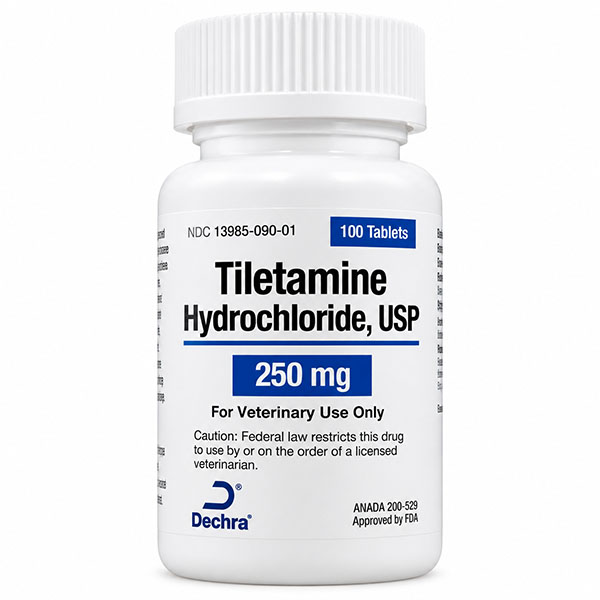
Tiletamine is a dissociative anesthetic used in veterinary medicine. It helps produce anesthesia and pain relief during certain veterinary procedures. It is commonly used in combination with zolazepam, a tranquilizing medication that helps improve muscle relaxation.
The combination of tiletamine and zolazepam is available in veterinary products such as Telazol and Zoletil. These products are used by veterinary professionals when anesthesia or restraint is necessary for specific procedures.
Tiletamine is a potent veterinary medication. Its use requires professional assessment, appropriate monitoring, and careful attention to the animal’s health.
What Is Tiletamine Used For?
Tiletamine-containing veterinary medications may be used for several clinical purposes, depending on the approved product and the animal’s condition.
Common veterinary applications include:
- Anesthesia: Helping prepare animals for selected medical or surgical procedures.
- Animal restraint: Supporting controlled handling when appropriate sedation or anesthesia is required.
- Pain relief: Contributing to analgesia as part of a veterinary anesthetic plan.
- Veterinary procedures: Supporting selected diagnostic and minor surgical procedures under professional supervision.
The exact indications vary by product, animal species, and country. A licensed veterinarian should determine whether a tiletamine-containing medication is appropriate for an individual animal.
How Does Tiletamine Work?
Tiletamine works primarily as a dissociative anesthetic. It affects signaling in the central nervous system, including through antagonism of NMDA receptors.
This action can produce a distinct anesthetic state and significant pain relief. However, tiletamine does not provide the same effects as every other type of anesthetic.
When combined with zolazepam, the medication provides complementary effects. Tiletamine contributes to anesthesia and analgesia, while zolazepam helps provide tranquilization and muscle relaxation.
The combination requires careful clinical management because its effects and recovery time can vary between animals.
Tiletamine and Zolazepam: Understanding the Combination
Tiletamine is often discussed alongside zolazepam because the two ingredients are combined in established veterinary anesthetic products.
Their roles differ:
- Tiletamine: A dissociative anesthetic that contributes to anesthesia and analgesia.
- Zolazepam: A benzodiazepine tranquilizer that contributes to muscle relaxation and calming effects.
Together, these ingredients can support veterinary anesthesia when selected and administered by qualified professionals.
Product formulations, approved uses, and administration requirements should always be verified against the applicable official product label.
Safety Precautions and Possible Side Effects
Safety is an essential consideration when using tiletamine-containing medications. These drugs can affect several body systems and require appropriate monitoring during anesthesia and recovery.
Potential adverse reactions reported with tiletamine and zolazepam products include:
- Respiratory depression or temporary breathing problems
- Changes in heart rate
- Excessive salivation
- Muscle movements or rigidity
- Vomiting during recovery
- Prolonged or irregular recovery from anesthesia
Tiletamine should never be administered to an animal without veterinary direction.
Storage and Handling
Proper storage and handling help maintain medication quality and reduce avoidable risks.
Frequently Asked Questions About Tiletamine
Is tiletamine used in veterinary medicine?
Yes. Tiletamine is used in veterinary anesthesia, commonly as part of a combination with zolazepam. Approved uses depend on the product and applicable regulations.
What is the difference between tiletamine and zolazepam?
Tiletamine is a dissociative anesthetic that contributes to anesthesia and pain relief. Zolazepam is a tranquilizer that helps provide muscle relaxation. They work together in certain veterinary anesthetic products.
Is tiletamine safe for animals?
Tiletamine-containing products can be used in appropriate veterinary settings, but they are not risk-free. Suitability depends on the animal’s health, the procedure, the selected product, and professional monitoring.
Can tiletamine be used without veterinary supervision?
No. Tiletamine-containing anesthetics require veterinary direction and appropriate monitoring. They are not suitable for unsupervised use or self-administration.
What should veterinary professionals check before using tiletamine?
Veterinary professionals should review the official product label, the animal’s medical history, contraindications, potential drug interactions, and monitoring requirements before deciding on an anesthetic plan.
Final Thoughts
Tiletamine is an important dissociative anesthetic in veterinary medicine, particularly when used in combination with zolazepam. Its clinical value depends on appropriate patient selection, adherence to product labeling, and careful monitoring.
For reliable information, veterinary professionals should consult the official product documentation and applicable local regulations before considering any tiletamine-containing medication.
Important Notice: This content is for educational purposes only and is not a substitute for veterinary advice, product labeling, or professional medical judgment.




There are no reviews yet.