

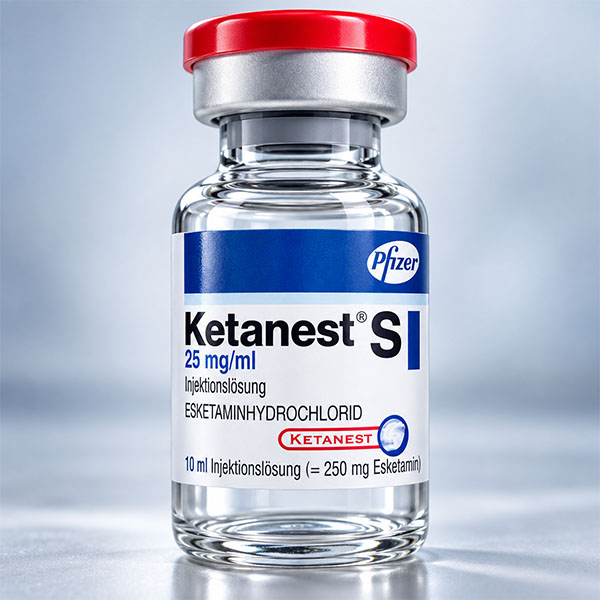


Ketanest: Uses, Benefits, Safety Information, and Medical Supervision
At Sure Pharma Meds Hub, we believe that access to clear and reliable medicine information helps healthcare professionals and patients make informed decisions. This product overview explains the medical uses of ketamine, important safety considerations, and what to know before considering a Ketanest product.
What Is Ketanest?
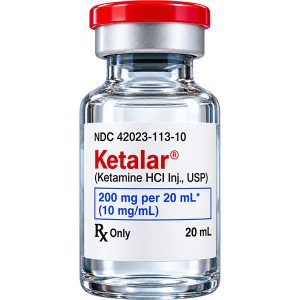
Ketanest is a name used for ketamine-based anesthetic products in some markets. Ketamine is a medicine that acts on the central nervous system to produce anesthetic effects.
Ketamine injection is used in selected medical procedures. Depending on the clinical situation, healthcare professionals may use it alone to induce anesthesia or alongside other anesthetic medicines.
Important: Product names, formulations, strengths, and regulatory approvals can vary by country. Always check the manufacturer’s label and local product authorization before identifying a specific Ketanest product.
What Is Ketanest Used For?
Ketamine-based anesthetics may be used for several medical purposes under professional supervision.
- General anesthesia: To induce anesthesia for certain surgical and diagnostic procedures.
- Induction of anesthesia: To help initiate anesthesia before another anesthetic medicine is administered.
- Supplementary anesthesia: To complement other anesthetic agents when clinically appropriate.
The choice of anesthetic depends on the procedure, the patient’s medical history, and the judgment of the treating healthcare professional.
How Does Ketanest Work?
Its effects depend on the dose, route of administration, and individual patient factors. A qualified medical professional must determine the appropriate treatment approach.
Important Safety Information
Ketanest or any ketamine-containing medicine should only be used according to its approved prescribing information and applicable local regulations.
Possible adverse effects include:
- Increased blood pressure or heart rate
- Dizziness or drowsiness
- Nausea and vomiting
- Confusion or unusual experiences during recovery
- Breathing problems, particularly in cases of overdose or rapid administration
Ketamine can also interact with other medicines. Combining it with opioids, benzodiazepines, or other central nervous system depressants may increase the risk of severe sedation and respiratory depression.
Who Should Assess the Suitability of Ketanest?
A qualified healthcare professional should assess whether a ketamine-based anesthetic is appropriate for an individual patient.
Before treatment, the medical team should review relevant medical conditions, current medicines, allergies, and other factors that may affect safety.
Do not self-administer Ketanest or use it without medical supervision. Never change a prescribed dose or route of administration without professional guidance.
Product Information and Availability
Before purchasing or supplying a product identified as Ketanest, verify the following details:
- Active ingredient: Confirm the ingredient listed on the approved product label.
- Strength and formulation: Check the exact concentration and dosage form.
- Manufacturer: Verify the manufacturer’s identity and product documentation.
- Regulatory status: Confirm authorization in the country where the medicine will be supplied.
- Storage requirements: Follow the manufacturer’s instructions for storage and handling.
- Supply requirements: Ensure that procurement and dispensing comply with local laws governing prescription anesthetics and controlled medicines.
Availability, pricing, packaging, and approved indications should be confirmed directly with a properly authorized pharmaceutical supplier. Do not rely on an unverified product listing for these details.
Why Is Accurate Medicine Information Important?
Reliable medicine information helps healthcare professionals evaluate products and understand their intended uses and safety requirements.
At Sure Pharma Meds Hub, product descriptions should support informed decisions through clear language, accurate ingredient information, and appropriate safety guidance. Always consult official product documentation and a qualified healthcare professional before making treatment decisions.
Frequently Asked Questions About Ketanest
Is Ketanest an anesthetic?
Ketanest is a name associated with ketamine-based products in some markets. Ketamine is a general anesthetic used in selected surgical and diagnostic procedures.
What is the active ingredient in Ketanest?
The name is associated with ketamine, but the exact ingredient and formulation must be confirmed from the label and official documentation for the specific product.
Can Ketanest be used at home?
Ketamine injection requires qualified medical supervision and appropriate monitoring. It should not be self-administered or used outside an authorized medical setting.
Does Ketanest have side effects?
Yes. Potential effects include increased blood pressure, increased heart rate, nausea, dizziness, and changes in perception during recovery. More serious complications can occur and require medical attention.
Is Ketanest available everywhere?
No. Brand availability and regulatory status vary by country. Verify the product’s authorization and supply requirements with the relevant national medicines regulator.
Final Thoughts
Ketanest is a medicine name associated with ketamine-based anesthesia. Its potential role in medical procedures must be considered alongside its risks, contraindications, and monitoring requirements.
For accurate product identification, consult the official label and manufacturer documentation. Healthcare professionals should guide all decisions about the appropriate use of ketamine-based anesthetics.
Medical disclaimer: This page is for general educational purposes only. It does not replace professional medical advice, an approved prescribing document, or local regulatory requirements.

There are no reviews yet.