

Ketarol: Uses, Benefits, Safety Information, and Precautions
Learn about Ketarol, its possible uses, important safety information, and what to know before use. Explore essential product information and speak with a qualified healthcare professional to determine whether this medication is appropriate for your needs.
What Is Ketarol?
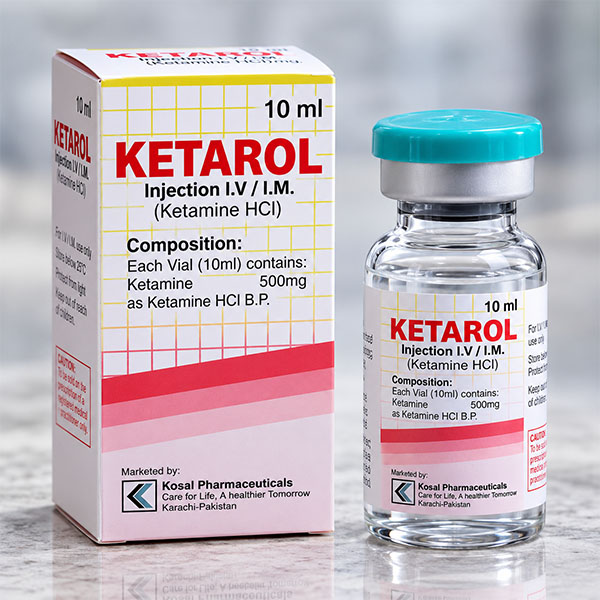
Ketarol is a product name that should be verified against the manufacturer’s packaging to confirm its active ingredient and formulation. If your Ketarol product contains ketorolac, it belongs to a group of medicines called nonsteroidal anti-inflammatory drugs (NSAIDs).
Ketorolac works by reducing the body’s production of prostaglandins, substances that contribute to pain and inflammation. It is prescribed for the short-term treatment of certain types of moderately severe acute pain.
Always check the product label and follow the instructions provided by your healthcare professional.
What Is Ketarol Used For?
If Ketarol contains ketorolac, a healthcare professional may prescribe it for specific short-term pain management needs.
Depending on the formulation and approved product labeling, ketorolac may be used for:
- Short-term pain relief: Management of certain types of moderately severe acute pain.
- Postoperative pain: Relief of pain following surgery when clinically appropriate.
- Pain management in clinical settings: Treatment under medical supervision when stronger short-term pain relief is required.
Ketorolac is not intended for every type of pain. Oral ketorolac is generally used as continuation treatment after initial injectable treatment, when prescribed. It is not intended for mild pain or long-term chronic pain management.
How Does Ketarol Work?
If the active ingredient is ketorolac, the medicine blocks enzymes involved in prostaglandin production. Lower prostaglandin levels can help reduce pain and inflammation.
The effect and appropriate use depend on the product’s formulation, the patient’s medical condition, and the prescribed treatment plan.
Important Safety Information
Ketorolac can cause serious side effects, even when taken as directed. It should only be used under appropriate medical supervision.
Possible Side Effects
Some people may experience:
- Nausea or stomach discomfort
- Indigestion
- Dizziness
- Headache
- Gastrointestinal irritation
More serious complications can include stomach or intestinal bleeding, kidney problems, severe allergic reactions, and an increased risk of heart attack or stroke.
Seek emergency medical care if you experience chest pain, difficulty breathing, signs of a severe allergic reaction, vomiting blood, or black, tarry stools.
Who Should Avoid Ketorolac?
Ketorolac may be unsuitable for people with certain medical conditions, including:
- Active or previous stomach ulcers or gastrointestinal bleeding
- Severe kidney impairment
- Certain bleeding disorders
- A history of serious allergic reactions to aspirin or other NSAIDs
- Certain cardiovascular conditions or specific surgical circumstances
Tell your healthcare professional about your medical history, pregnancy status, and all medicines or supplements you take before starting treatment.
Can Ketarol Be Taken With Other Painkillers?
If Ketarol contains ketorolac, do not combine it with other NSAIDs, such as ibuprofen, naproxen, or aspirin used for pain relief, unless your healthcare professional specifically directs you to do so. These combinations can increase the risk of serious adverse effects.
Also disclose any blood thinners and other prescription medicines you use.
Dosage and Directions for Use
The appropriate dose depends on the confirmed active ingredient, formulation, age, kidney function, and other individual factors.
For ketorolac, treatment is strictly limited to a short duration. In adults, the combined use of injectable and oral ketorolac must not exceed five days under standard US prescribing guidance.
- Use the medicine only as prescribed.
- Do not increase the dose or take extra doses for uncontrolled pain.
- Do not extend treatment beyond the prescribed period.
- Ask a pharmacist or healthcare professional if you miss a dose or experience side effects.
Do not use these general guidelines as a substitute for the instructions on your specific product.
How Should Ketarol Be Stored?
Follow the storage instructions printed on the product packaging or supplied by the manufacturer. Keep medicines in their original packaging when appropriate, away from excessive heat and moisture, and out of the reach of children.
Do not use expired or damaged products.
Why Choose Sure Pharma Meds Hub?
At Sure Pharma Meds Hub, our goal is to help customers access clear product information and make informed decisions about their healthcare needs.
Before purchasing any medicine, verify its active ingredient, strength, dosage form, manufacturer, and applicable prescription requirements. Product availability and purchasing eligibility should be confirmed directly with the pharmacy.
Frequently Asked Questions About Ketarol
1. What is Ketarol used for?
The answer depends on its confirmed active ingredient. If it contains ketorolac, it is used for the short-term management of certain types of moderately severe acute pain.
2. Is Ketarol an anti-inflammatory medicine?
If the product contains ketorolac, yes. Ketorolac is a nonsteroidal anti-inflammatory drug (NSAID) that helps reduce pain and inflammation.
3. Can Ketarol be used for long-term pain relief?
Ketorolac is not intended for long-term pain management. Standard US prescribing guidance limits combined injectable and oral treatment to a maximum of five days in adults.
4. Does Ketarol have side effects?
If it contains ketorolac, possible side effects include nausea, stomach discomfort, and dizziness. Serious risks include gastrointestinal bleeding, kidney problems, and cardiovascular events.
5. Do I need a prescription for Ketarol?
Prescription requirements depend on the exact product and the laws where it is supplied. Ketorolac is a prescription medicine in the United States. Confirm the applicable requirements with a qualified pharmacy professional.
6. Where can I find more information about Ketarol?
Check the product packaging and official patient information for the active ingredient, strength, manufacturer, and approved uses. You can also visit Sure Pharma Meds Hub for additional product information, subject to product verification.
Final Thoughts
Ketarol should be identified by its active ingredient and formulation before any purchase or use. If it contains ketorolac, it may help manage certain types of acute pain, but its potential benefits must be weighed against significant safety risks.
Always consult a qualified healthcare professional before using this medicine, follow the prescribed directions, and seek medical advice if your symptoms persist or worsen.
Medical disclaimer: This article is for general educational purposes only. It does not replace professional medical advice, diagnosis, or treatment. Confirm the exact Ketarol product and follow its approved labeling before making treatment decisions.

There are no reviews yet.