

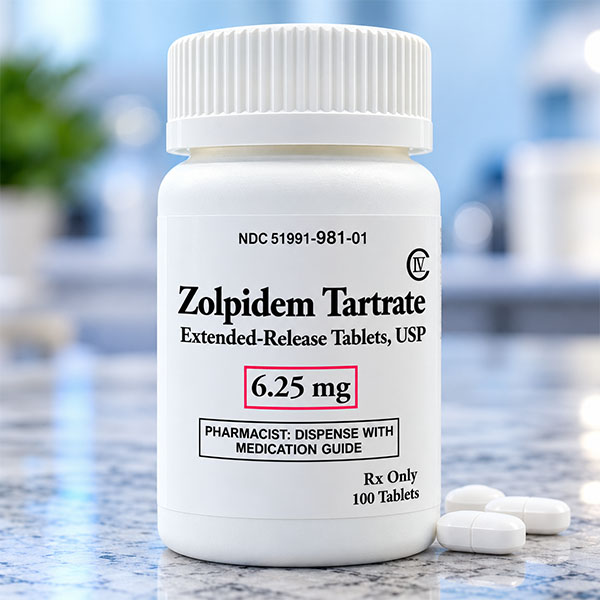

Zolpidem – Full Product Description
Zolpidem is a prescription sedative-hypnotic medication used for the short-term treatment of insomnia, particularly difficulties with sleep initiation. It belongs to a class of medicines known as nonbenzodiazepine hypnotics, commonly referred to as “Z-drugs.” Zolpidem works by enhancing the activity of GABA, an inhibitory neurotransmitter in the central nervous system, helping promote sleep.
Zolpidem should be used under the supervision of a qualified healthcare professional. It can cause next-day impairment, complex sleep behaviors, dependence, and other serious adverse effects.
What Is Zolpidem?
Zolpidem is a centrally acting hypnotic medication prescribed to adults with certain sleep disorders. It is primarily used to help individuals fall asleep and, depending on the formulation, may also support sleep maintenance.
Zolpidem acts on the GABA-A receptor complex, particularly receptor subtypes associated with sedative effects. Although it is structurally different from benzodiazepines, it produces similar central nervous system depressant effects.
The medication is available in different formulations, including immediate-release tablets, extended-release tablets, and certain sublingual preparations. Approved formulations and indications vary by country.
Key Product Information
| Product Attribute | Details |
|---|---|
| Generic Name | Zolpidem |
| Drug Class | Nonbenzodiazepine Sedative-Hypnotic |
| Primary Use | Insomnia Treatment |
| Mechanism | GABA-A Receptor Modulation |
| Therapeutic Category | Hypnotic Medication |
| Available Forms | Immediate-Release, Extended-Release, and Certain Sublingual Formulations |
| Administration | Oral, depending on formulation |
| Prescription Status | Prescription Medication |
| Common Strengths | 5 mg and 10 mg; formulation-specific strengths vary |
| Manufacturer | Varies by product and market |
Product strengths, approved indications, and availability vary by country and manufacturer.
Medical Uses of Zolpidem
Zolpidem is prescribed for the short-term management of insomnia when a healthcare professional determines that medication is appropriate.
Potential clinical uses include:
-
Treatment of difficulty falling asleep.
-
Management of insomnia associated with sleep initiation problems.
-
Support for sleep maintenance in certain extended-release formulations.
-
Short-term treatment when sleep disturbance requires medical intervention.
Zolpidem is not appropriate for every patient experiencing sleep difficulties. A healthcare professional should assess the underlying cause of insomnia and the potential benefits and risks of treatment.
How Does Zolpidem Work?
Zolpidem enhances the effects of gamma-aminobutyric acid (GABA), an inhibitory neurotransmitter in the brain.
Mechanism of Action
-
Zolpidem binds to specific sites on the GABA-A receptor complex.
-
It enhances GABA-mediated inhibitory signaling.
-
Neuronal activity is reduced in areas involved in sleep regulation.
-
This produces sedative and hypnotic effects that support sleep.
Zolpidem can impair alertness, coordination, memory, and judgment, especially when used incorrectly or when its effects persist into the following day.
Therapeutic Benefits
When used appropriately, zolpidem may provide the following therapeutic benefits:
-
Support for falling asleep more easily.
-
Improvement in sleep initiation in people with insomnia.
-
Potential improvement in sleep maintenance with approved extended-release formulations.
-
Short-term symptom relief when prescribed for appropriate patients.
The response varies between individuals, and treatment should be periodically reviewed by a healthcare professional.
Dosage and Administration
Zolpidem dosage must be determined by a qualified healthcare professional according to the formulation, age, medical history, and individual response.
General prescribing considerations:
-
Take zolpidem only as prescribed.
-
Take it immediately before bedtime when you can remain in bed for a full night’s sleep, generally 7–8 hours.
-
Do not take more than one dose during the same night unless specifically directed by an appropriate prescribing instruction.
-
Avoid taking it with or immediately after a meal if the product labeling advises that food may delay its effect.
-
Do not crush, chew, or split extended-release tablets unless the approved instructions specifically allow it.
-
Do not increase the dose or frequency without medical guidance.
Important: The recommended dose may be lower for older adults, individuals with certain medical conditions, or people taking interacting medications. Follow the specific approved product information.
Common Side Effects
Zolpidem may cause side effects, including:
-
Drowsiness.
-
Dizziness.
-
Headache.
-
Fatigue.
-
Nausea.
-
Reduced coordination.
-
Daytime sleepiness.
-
Memory or concentration difficulties.
The likelihood of side effects may increase when zolpidem is taken with alcohol, other sedatives, or a higher-than-prescribed dose.
Serious Side Effects and Safety Warnings
1. Complex Sleep Behaviors
Zolpidem has been associated with complex sleep behaviors, including activities such as sleepwalking, sleep-driving, preparing food, or other activities while not fully awake.
These behaviors may result in serious injuries or death. Stop taking the medication and contact a healthcare professional immediately if a complex sleep behavior occurs, unless a medical professional provides alternative instructions.
2. Next-Day Impairment
Zolpidem may cause impairment of alertness, reaction time, coordination, and driving ability the following morning, even when the individual feels fully awake.
Do not drive, operate machinery, or perform hazardous activities if you remain affected by the medicine.
3. Dependence and Withdrawal
Repeated use of zolpidem can result in physical dependence and, in some individuals, misuse or addiction.
Abrupt discontinuation after prolonged use may cause withdrawal symptoms, including worsening insomnia, anxiety, and other symptoms. Medical guidance is recommended for discontinuation after regular use.
4. Central Nervous System Depression
Zolpidem can cause excessive sedation and respiratory depression, particularly when combined with opioids, alcohol, or other central nervous system depressants.
Seek emergency medical attention if someone experiences severe difficulty breathing, loss of consciousness, or an inability to wake.
5. Memory Impairment
Zolpidem can cause anterograde amnesia, which affects the ability to form new memories after taking the medication. The risk may increase when it is taken incorrectly or when the person does not obtain sufficient sleep.
Drug Interactions
Zolpidem may interact with medications and substances that affect the central nervous system or alter its metabolism.
| Substance or Medicine | Potential Concern |
|---|---|
| Alcohol | Increased sedation, impaired coordination, and serious CNS depression |
| Opioids | Increased risk of profound sedation, respiratory depression, coma, and death |
| Benzodiazepines | Additive sedation and impaired alertness |
| Other Sedative-Hypnotics | Increased risk of excessive sedation and impairment |
| Certain Antidepressants | May increase sedation or affect psychomotor performance |
| CYP3A4 Modifiers | May alter zolpidem exposure and its effects |
Avoid combining zolpidem with alcohol or other sedative medicines unless specifically instructed by a qualified healthcare professional.
Inform your healthcare provider about all prescription medications, over-the-counter medicines, and supplements you use.
Contraindications and Precautions
Zolpidem may not be appropriate for individuals with certain medical conditions.
Tell your healthcare professional if you have:
-
A history of complex sleep behaviors after taking sedative-hypnotic medicines.
-
Sleep apnea or other breathing disorders.
-
Liver disease.
-
A history of substance use disorder.
-
Depression or other mental health concerns.
-
Pregnancy or breastfeeding considerations.
-
A history of falls or significant nighttime confusion.
Older adults may be more susceptible to dizziness, confusion, impaired coordination, and falls.
Storage and Handling
Store zolpidem according to the manufacturer’s approved instructions.
-
Keep the medicine in its original packaging.
-
Store it securely and away from unauthorized access.
-
Keep out of reach of children.
-
Do not share prescription medication.
-
Dispose of unused medication according to local pharmaceutical disposal guidelines.
Frequently Asked Questions (FAQs)
What is Zolpidem used for?
Zolpidem is a prescription sedative-hypnotic used for the short-term treatment of insomnia, particularly difficulty falling asleep. Certain formulations may also be used for sleep maintenance.
Is Zolpidem a benzodiazepine?
No. Zolpidem is classified as a nonbenzodiazepine sedative-hypnotic, commonly called a Z-drug. It acts on GABA-A receptors and produces similar sedative effects to benzodiazepines.
Can Zolpidem cause dependence?
Yes. Zolpidem can cause physical dependence, tolerance, and misuse or addiction in some individuals, particularly with prolonged or inappropriate use.
Can Zolpidem be taken with alcohol?
Combining zolpidem with alcohol is unsafe because it can increase sedation, impair coordination, and raise the risk of serious adverse effects, including respiratory depression.
How long does Zolpidem take to work?
Zolpidem is generally taken immediately before bedtime because it can produce sleepiness relatively quickly. The onset varies with formulation, individual response, and food intake.
Can Zolpidem be stopped suddenly?
If zolpidem has been used regularly for an extended period, sudden discontinuation may cause withdrawal symptoms or rebound insomnia. Consult a healthcare professional about an appropriate discontinuation plan.
Can Zolpidem cause sleepwalking?
Yes. Zolpidem has been associated with complex sleep behaviors, including sleepwalking and sleep-driving. Seek medical advice immediately if such behavior occurs.





There are no reviews yet.