


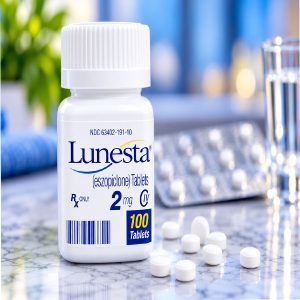

Restoril (Temazepam): Uses, Benefits, Dosage and Safety Information
Restoril (temazepam) is a prescription medication used for the short-term treatment of insomnia. It belongs to a class of medicines called benzodiazepines, which act on the central nervous system to help promote sleep. Restoril may help people who have difficulty falling asleep or staying asleep, when prescribed by a qualified healthcare professional.
At Sure Pharma Meds Hub, we believe that understanding your medication is an important part of making informed healthcare decisions. This guide explains what Restoril is, how it works, its common side effects, and the precautions to understand before use.
What Is Restoril?
Restoril is the brand name for temazepam, a prescription sleep medication. Healthcare professionals may prescribe it for short-term relief of insomnia symptoms.
Insomnia can affect sleep quality, daily energy, concentration, and overall well-being. Restoril works by enhancing the effects of gamma-aminobutyric acid (GABA), a chemical messenger that reduces activity in the brain. This action helps produce a calming effect that can support sleep.
Restoril is not suitable for everyone. A healthcare professional should assess your symptoms, medical history, current medications, and risk factors before prescribing it.
What Is Restoril Used For?
Restoril is primarily indicated for the short-term treatment of insomnia. Depending on the individual, insomnia symptoms may include:
- Difficulty falling asleep at bedtime.
- Frequent waking during the night.
- Difficulty returning to sleep after waking.
- Poor sleep quality that affects daytime functioning.
Restoril is intended for short-term use because continued treatment can lead to tolerance, physical dependence, and other risks. Persistent sleep problems may require further medical evaluation to identify an underlying cause.
How Does Restoril Work?
Restoril contains temazepam, which enhances the activity of GABA in the brain. GABA helps regulate nerve activity and promotes a calming effect.
By reducing excessive nervous system activity, Restoril can help people fall asleep more easily and improve sleep continuity. Its effects vary from person to person, and it should only be taken according to a healthcare professional’s instructions.
Restoril Strengths and Dosage Information
Restoril capsules are available in several strengths, including 7.5 mg, 15 mg, 22.5 mg, and 30 mg.
The appropriate strength depends on individual health factors, age, other medications, and response to treatment. Your prescriber will determine the correct dose and treatment duration for you.
Important dosage precautions:
- Take Restoril only as prescribed.
- Do not increase your dose without medical advice.
- Take it only when you can allow a full night for sleep.
- Do not combine it with alcohol or other sedating substances.
- Do not stop regular use suddenly without consulting your healthcare professional, because withdrawal reactions can be serious.
Never use another person’s prescription medication.
Possible Side Effects of Restoril
Like other prescription medicines, Restoril may cause side effects. Commonly reported effects include:
- Drowsiness or sleepiness.
- Dizziness.
- Headache.
- Fatigue or tiredness.
- Impaired coordination.
- Confusion or memory difficulties.
These effects can affect alertness and increase the risk of falls, particularly in older adults.
Important Safety Warnings
Dependence and withdrawal: Continued use may lead to physical dependence. Stopping suddenly or reducing the dose too quickly can cause serious withdrawal symptoms, including seizures. A healthcare professional should guide any dose reduction.
Alcohol and opioids: Combining Restoril with alcohol, opioid medicines, or other sedatives can cause profound sedation, breathing difficulties, coma, or death.
Driving and alertness: Do not drive, operate machinery, or perform activities requiring full alertness until you know how the medication affects you. Unusual sleep-related behaviors can also occur.
Pregnancy and other medical conditions: Discuss pregnancy, breastfeeding, breathing problems, liver conditions, and mental health concerns with your healthcare professional before using Restoril.
Who Should Avoid Restoril or Use It With Caution?
Restoril may not be appropriate for people with certain medical conditions or risk factors. Before treatment, tell your healthcare professional about:
- Any history of substance misuse or dependence.
- Sleep apnea or other breathing disorders.
- All prescription medicines, over-the-counter products, and supplements you take.
- Pregnancy, plans for pregnancy, or breastfeeding.
- Previous unusual reactions to sedative medications.
A qualified prescriber can assess whether the potential benefits outweigh the risks and discuss other treatment options when appropriate.
Tips for Better Sleep
Medication is only one part of managing insomnia. Healthy sleep habits may also help improve sleep quality.
- Keep a consistent bedtime and wake-up time.
- Reduce caffeine intake later in the day.
- Limit screen use before bedtime.
- Make your bedroom quiet, dark, and comfortable.
- Discuss persistent insomnia with a healthcare professional.
Cognitive behavioral therapy for insomnia (CBT-I) is an established treatment option that may help address ongoing sleep difficulties.
Frequently Asked Questions About Restoril
1. What is Restoril used for?
Restoril is a prescription medication used for the short-term treatment of insomnia. It can help with difficulty falling asleep and other sleep-related symptoms.
2. What is the generic name for Restoril?
The generic name for Restoril is temazepam. Generic temazepam contains the same active ingredient, although inactive ingredients and product-specific details may vary.
3. How long can you take Restoril?
Restoril is generally prescribed for short-term use. Your healthcare professional will determine the appropriate duration based on your symptoms, response, and risk factors.
4. Can Restoril cause dependence?
Yes. Restoril can cause physical dependence, especially with continued use. Follow your prescriber’s instructions and seek medical guidance before reducing or stopping the medication.
5. Can you drink alcohol while taking Restoril?
No. Alcohol can increase Restoril’s sedative effects and raise the risk of dangerous breathing problems, impaired coordination, and overdose.
6. Is Restoril available with a prescription?
Yes. Restoril is a prescription medication in the United States and is classified as a Schedule IV controlled substance. It should be obtained and used only through lawful, licensed channels with a valid prescription.
Learn More About Restoril at Sure Pharma Meds Hub
Understanding your treatment options can help you have a more informed conversation with your healthcare professional. If you are experiencing ongoing sleep difficulties, seek medical advice to determine the cause and discuss appropriate treatment.
Sure Pharma Meds Hub encourages responsible medication use, accurate product information, and consultation with qualified healthcare professionals.
Medical disclaimer: This content is for educational purposes only and is not a substitute for professional medical advice, diagnosis, or treatment. Restoril is a prescription medicine with potentially serious risks. Always follow your prescriber’s instructions and read the official medication guide.





There are no reviews yet.