

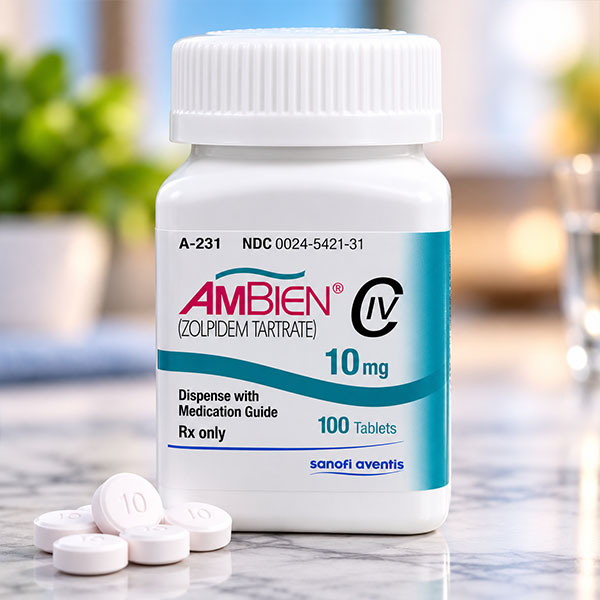

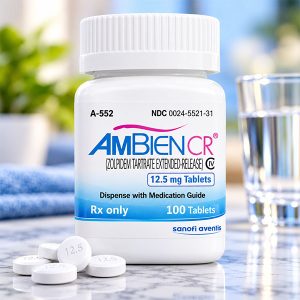
Ambien (Zolpidem) | Pharmaceutical Product Information
Product Description
Ambien is a prescription medication containing zolpidem, a sedative-hypnotic medicine used primarily for the short-term treatment of insomnia. It is intended to help eligible patients who have difficulty falling asleep or, depending on the formulation, maintaining sleep.
Zolpidem acts on the brain’s GABA-A receptor system, enhancing inhibitory signaling that promotes sedation and sleep. Although it is commonly described as a non-benzodiazepine hypnotic, it has sedative effects and can cause dependence, misuse, impaired alertness, and complex sleep behaviors.
Ambien should be used only under the supervision of a qualified healthcare professional and according to the instructions for the specific formulation.
What Is Ambien?
Ambien is a brand name for zolpidem tartrate, a sedative-hypnotic medication. It is available in different formulations, including immediate-release and extended-release products, depending on the market.
-
Immediate-release formulations: Primarily used to help with sleep initiation.
-
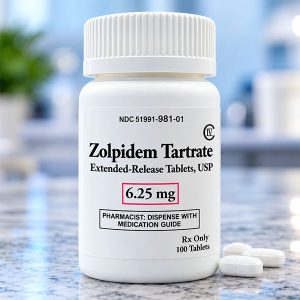
Extended-release formulations: May be used for sleep initiation and sleep maintenance when specifically prescribed.
The formulation and dose should be confirmed on the medicine’s official label. Different zolpidem products may have different administration requirements.
Key Product Information
| Product Attribute | Details |
|---|---|
| Brand Name | Ambien |
| Active Ingredient | Zolpidem tartrate |
| Drug Class | Sedative-hypnotic |
| Primary Use | Insomnia |
| Common Formulations | Immediate-release and extended-release, depending on market |
| Route of Administration | Oral |
| Prescription Status | Prescription-only in many jurisdictions |
| Mechanism | Enhances GABA-A receptor-mediated inhibitory activity |
| Main Effects | Sedation and sleep promotion |
| Dependence Potential | Possible, particularly with prolonged use or misuse |
Mechanism of Action
Zolpidem acts at the GABA-A receptor complex, particularly receptor subtypes associated with sleep-related inhibitory signaling. It increases the effects of gamma-aminobutyric acid (GABA), reducing activity in the central nervous system and promoting sleep.
Its effects may include:
-
Reduced time needed to fall asleep
-
Increased sleep initiation
-
Improved sleep continuity in some patients, depending on formulation
-
Sedation and reduced alertness
The response varies between individuals, and treatment should be regularly reviewed by a healthcare professional.
Medical Uses
1. Insomnia
Ambien is prescribed for the short-term management of insomnia when sleep difficulties are clinically significant and medication is considered appropriate.
Symptoms may include:
-
Difficulty falling asleep
-
Frequent nighttime awakenings
-
Difficulty returning to sleep
-
Early morning awakening, depending on the formulation and clinical assessment
A healthcare professional should assess potential underlying causes of insomnia, including stress, other medical conditions, medication effects, and sleep disorders.
Potential Benefits
When appropriately prescribed, Ambien may help:
-
Reduce the time required to fall asleep
-
Support sleep initiation
-
Improve sleep continuity with suitable formulations
-
Provide short-term relief from insomnia symptoms
Ambien does not necessarily address the underlying cause of chronic sleep difficulties. Behavioral treatment and sleep-hygiene strategies may be recommended, particularly for persistent insomnia.
Dosage and Administration
The appropriate dose depends on factors such as:
-
Age
-
Sex and individual sensitivity
-
Liver function
-
Formulation
-
Other medicines being used
-
Response to treatment
-
Risk of next-day impairment
The dose must be determined by a healthcare professional. Zolpidem should be taken exactly as prescribed, generally immediately before going to bed when the patient can remain in bed for a full night.
Important Administration Precautions
-
Take only when ready to sleep.
-
Ensure sufficient time remains for a full night of sleep before taking the medicine.
-
Do not take an additional dose during the same night unless specifically instructed by a clinician.
-
Do not combine with alcohol or other sedatives.
-
Do not crush, chew, or split extended-release tablets unless the official product instructions explicitly permit it.
-
Do not drive or perform hazardous activities after taking zolpidem or if next-day impairment is present.
-
Use only the formulation and strength prescribed.
Food may delay the onset of zolpidem’s effect. Follow the administration instructions provided with the specific product.
Common Side Effects
Possible side effects of Ambien include:
-
Drowsiness
-
Dizziness
-
Headache
-
Fatigue
-
Reduced alertness
-
Impaired coordination
-
Nausea
-
Sleepiness the following day
-
Memory difficulties
-
Unusual dreams
Older adults may be more susceptible to confusion, falls, and impaired coordination.
Serious Warnings and Risks
Complex Sleep Behaviors
Zolpidem has been associated with complex sleep behaviors, including activities performed while not fully awake, such as:
-
Sleepwalking
-
Sleep driving
-
Preparing or eating food
-
Making phone calls
-
Other activities with incomplete memory afterward
Stop using the medicine and contact a healthcare professional immediately if a complex sleep behavior occurs, unless a clinician provides different instructions. These behaviors can cause serious injury or death.
Next-Day Impairment
Zolpidem may impair alertness, coordination, reaction time, and judgment the following morning, even if the patient feels awake. The risk may increase with higher doses, extended-release formulations, insufficient sleep, or combination with other sedatives.
Respiratory Depression
Zolpidem may increase the risk of breathing problems, especially when combined with:
-
Opioids
-
Alcohol
-
Benzodiazepines
-
Other sedative-hypnotic medicines
-
Other central nervous system depressants
People with sleep apnea or respiratory disease should inform their healthcare professional before treatment.
Dependence and Withdrawal
Repeated use can lead to tolerance, dependence, or misuse. Stopping regular use may cause rebound insomnia or withdrawal symptoms, particularly after prolonged or high-dose use.
Abnormal Mental or Behavioral Reactions
Some patients may experience:
-
Confusion
-
Agitation
-
Hallucinations
-
Unusual behavior
-
Mood changes
-
Worsening depression
Report significant behavioral or psychological changes to a healthcare professional.
Drug Interactions
| Medicine or Substance | Potential Concern |
|---|---|
| Alcohol | Increased sedation, impaired coordination, and respiratory risk |
| Opioids | Increased risk of profound sedation and respiratory depression |
| Benzodiazepines | Additive central nervous system depression |
| Other sleeping medicines | Increased sedation and impairment |
| Sedating antihistamines | Increased drowsiness and reduced alertness |
| Certain antidepressants or psychiatric medicines | May increase sedation or affect mental alertness |
| Medicines affecting liver enzymes | May change zolpidem exposure and its effects |
Inform your doctor or pharmacist about all prescription medicines, non-prescription medicines, and supplements.
Contraindications and Precautions
Ambien may not be appropriate for everyone. Tell your healthcare professional if you have:
-
A history of complex sleep behaviors after taking zolpidem or another sleep medicine
-
Sleep apnea or other breathing problems
-
Liver disease
-
A history of alcohol or drug misuse
-
Depression or other mental health conditions
-
Suicidal thoughts or behavior
-
A history of falls or balance problems
-
Pregnancy or plans to become pregnant
-
Breastfeeding
-
Allergies to zolpidem or any formulation ingredient
The risks and benefits should be carefully evaluated in older adults and patients taking other sedating medicines.
Storage Information
Store Ambien according to the official packaging and product information.
General storage precautions include:
-
Keep the medicine in its original packaging.
-
Store it away from excessive heat and moisture.
-
Keep it out of reach of children.
-
Do not use medicine after its expiry date.
-
Do not share prescription sleep medication.
-
Dispose of unused medicine through an approved disposal service.
Specific storage instructions may differ by formulation and jurisdiction.
Frequently Asked Questions
What is Ambien used for?
Ambien contains zolpidem and is primarily prescribed for the short-term treatment of insomnia, including difficulty falling asleep and, with certain formulations, maintaining sleep.
Is Ambien a benzodiazepine?
No. Zolpidem is generally classified as a non-benzodiazepine sedative-hypnotic. However, it acts on the GABA-A receptor system and can cause similar risks, including sedation, dependence, and withdrawal.
Can Ambien cause dependence?
Yes. Zolpidem may cause tolerance, physical dependence, or misuse, particularly when used for longer than recommended or at doses higher than prescribed.
Can Ambien be taken with alcohol?
No. Combining Ambien with alcohol can increase sedation, impaired coordination, complex sleep behaviors, and respiratory risks.
Can Ambien be taken with opioids?
Combining zolpidem with opioids may cause severe sedation and respiratory depression. Use together only when specifically directed and monitored by a qualified healthcare professional.
What are complex sleep behaviors?
These are activities performed while not fully awake, such as sleepwalking or sleep driving, with little or no memory afterward. They can cause serious injury and require immediate medical attention.
Can Ambien be used every night?
The appropriate duration depends on the patient’s clinical situation and the prescriber’s instructions. Long-term or frequent use requires careful medical review because of tolerance, dependence, and other risks.
Should Ambien be stopped suddenly?
If you have been using Ambien regularly, consult your healthcare professional before stopping. Abrupt discontinuation may cause rebound insomnia or withdrawal symptoms.


There are no reviews yet.