

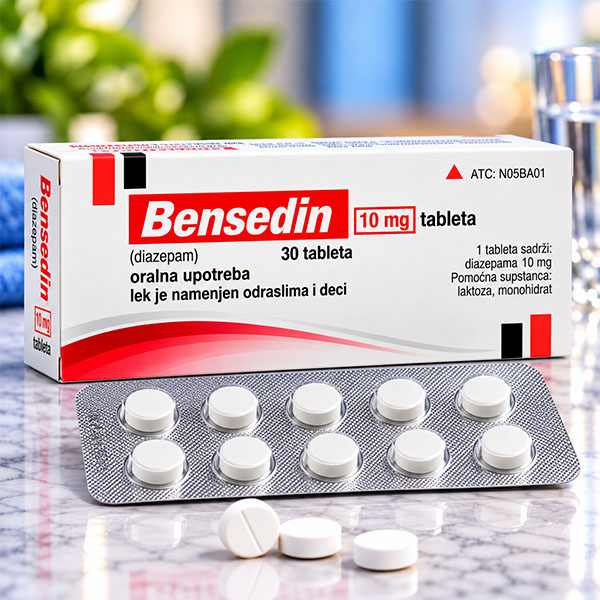
Bensedin (Diazepam) | Pharmaceutical Product Information
Product Description
Bensedin is a prescription medicine containing diazepam, a benzodiazepine medication with anxiolytic, sedative, muscle-relaxant, and anticonvulsant properties. It is used in selected medical situations, including anxiety disorders, muscle spasms, certain seizure-related conditions, and alcohol withdrawal, depending on the approved indications in a particular country.
Diazepam enhances the activity of gamma-aminobutyric acid (GABA), an inhibitory neurotransmitter in the central nervous system. This produces a calming effect but can also cause drowsiness, impaired coordination, respiratory depression, tolerance, and dependence.
Bensedin should only be used under the supervision of a qualified healthcare professional. It carries important risks when combined with alcohol, opioids, sleeping medicines, or other central nervous system depressants.
What Is Bensedin?
Bensedin is a brand of diazepam, which belongs to the benzodiazepine class of medicines. Diazepam reduces excessive nervous system activity and may produce calming and muscle-relaxing effects.
It is available in different strengths and formulations depending on the market. The exact product strength, approved indications, and prescribing requirements should be confirmed through the official packaging and local regulatory information.
Key Product Information
| Product Attribute | Details |
|---|---|
| Brand Name | Bensedin |
| Active Ingredient | Diazepam |
| Drug Class | Benzodiazepine |
| Therapeutic Properties | Anxiolytic, sedative, muscle relaxant, anticonvulsant |
| Common Medical Uses | Selected anxiety conditions, muscle spasms, seizure-related conditions, alcohol withdrawal |
| Route | Usually oral for tablet formulations |
| Prescription Status | Prescription-only and controlled or specially regulated in many jurisdictions |
| Mechanism | Enhances GABA-A receptor-mediated inhibitory activity |
| Dependence Potential | Yes; tolerance and physical dependence may occur |
| Duration of Action | Relatively long-acting compared with some other benzodiazepines |
Mechanism of Action
Diazepam binds to specific sites on the GABA-A receptor complex and enhances the effect of GABA, an inhibitory neurotransmitter in the brain.
This increases inhibitory signaling in the central nervous system and may produce:
-
Reduced anxiety
-
Sedation
-
Muscle relaxation
-
Anticonvulsant effects
-
Impaired alertness and coordination
Diazepam does not treat the underlying cause of every condition for which it may be prescribed. The choice to use it depends on the diagnosis, duration of symptoms, risk factors, and available alternatives.
Medical Uses
1. Anxiety-Related Conditions
Diazepam may be prescribed for selected cases of severe or disabling anxiety for short-term use. It is generally not intended as a routine long-term treatment because of the risk of tolerance and dependence.
2. Muscle Spasms
Its muscle-relaxant properties may be used for certain muscle spasms or spasticity-related conditions when clinically appropriate.
3. Seizure-Related Conditions
Diazepam has anticonvulsant activity and may be used in specific seizure emergencies or seizure-related treatment plans. Emergency formulations and routes of administration require professional guidance.
4. Alcohol Withdrawal
Diazepam may be used in medically supervised alcohol-withdrawal treatment to reduce certain withdrawal symptoms and seizure risk. Treatment requires clinical monitoring because alcohol withdrawal can become life-threatening.
5. Procedural Sedation
In some healthcare settings, diazepam may be used for sedation before selected procedures, subject to the approved formulation and clinical protocols.
Potential Benefits
When appropriately prescribed, diazepam may help:
-
Reduce acute anxiety symptoms
-
Relieve certain muscle spasms
-
Support management of specific seizure conditions
-
Reduce symptoms associated with alcohol withdrawal
-
Produce sedation for selected medical procedures
The benefits must be weighed against the risks of sedation, impaired coordination, respiratory depression, misuse, and dependence.
Dosage and Administration
The dose and duration of Bensedin depend on:
-
The condition being treated
-
Patient age and general health
-
Liver and kidney function
-
Previous benzodiazepine exposure
-
Other medicines being used
-
Treatment response and adverse effects
A healthcare professional must determine the appropriate dose. Diazepam treatment is often intended for the shortest clinically appropriate duration.
Important Administration Precautions
-
Take only the prescribed amount.
-
Do not increase the dose without medical advice.
-
Do not combine with alcohol.
-
Do not combine with opioids or other sedatives unless specifically directed and monitored by a clinician.
-
Do not drive or operate machinery until you know how the medicine affects you.
-
Do not stop long-term treatment suddenly without medical guidance.
Sudden discontinuation after regular use can cause withdrawal symptoms, including severe anxiety, insomnia, agitation, and seizures.
Common Side Effects
Possible side effects of diazepam include:
-
Drowsiness
-
Dizziness
-
Fatigue
-
Muscle weakness
-
Reduced alertness
-
Impaired coordination
-
Slurred speech
-
Confusion
-
Memory problems
-
Blurred vision
-
Nausea
Older adults may be particularly vulnerable to confusion, falls, and impaired coordination.
Serious Warnings and Risks
Respiratory Depression
Diazepam can suppress breathing, particularly when combined with:
-
Opioid medicines
-
Alcohol
-
Sleeping medicines
-
Other benzodiazepines
-
Sedating antihistamines
-
Other central nervous system depressants
Extreme sleepiness, slow or difficult breathing, inability to wake, or loss of consciousness requires emergency medical assistance.
Dependence and Withdrawal
Regular use may lead to physical dependence, even when taken as prescribed. Withdrawal can occur after dose reduction or discontinuation and may include:
-
Anxiety and irritability
-
Insomnia
-
Tremors
-
Sweating
-
Sensory disturbances
-
Agitation
-
Seizures
-
Delirium in severe cases
A gradual, individualized reduction may be required under medical supervision.
Impaired Driving and Coordination
Diazepam may impair reaction time, judgment, balance, and coordination. Avoid driving and potentially dangerous activities when affected.
Paradoxical Reactions
Some individuals may experience unusual reactions such as:
-
Agitation
-
Irritability
-
Aggression
-
Restlessness
-
Increased anxiety
-
Abnormal behavior
Contact a healthcare professional if these symptoms occur.
Drug Interactions
Bensedin may interact with several medicines and substances.
| Substance or Medicine | Potential Concern |
|---|---|
| Alcohol | Increased sedation and potentially life-threatening respiratory depression |
| Opioids | Increased risk of profound sedation, respiratory depression, coma, and death |
| Other benzodiazepines | Additive sedation and impairment |
| Sleeping medicines | Increased central nervous system depression |
| Sedating antihistamines | Increased drowsiness and impaired coordination |
| Muscle relaxants | Increased sedation and muscle weakness |
| Certain enzyme-inhibiting medicines | May increase diazepam exposure and adverse effects |
Tell your doctor or pharmacist about all prescription medicines, over-the-counter products, and supplements you use.
Contraindications and Precautions
Diazepam may be unsuitable for certain individuals, including those with specific medical conditions.
Inform your healthcare professional if you have:
-
Severe respiratory disease
-
Sleep apnea
-
Severe liver impairment
-
Myasthenia gravis
-
A history of substance misuse or dependence
-
Depression or other mental health conditions
-
A history of suicidal thoughts
-
Pregnancy or plans to become pregnant
-
Breastfeeding
-
Previous allergic reactions to benzodiazepines
Diazepam may be associated with increased risks in older adults, including falls, confusion, and prolonged sedation.
Storage Information
Store Bensedin according to the official product label and pharmacy instructions.
General precautions include:
-
Keep the medicine in its original packaging.
-
Store it away from excessive heat and moisture.
-
Keep it out of the reach of children.
-
Do not use expired medicine.
-
Do not share the medicine with anyone.
-
Dispose of unused medication through an approved medicine-disposal service.
Storage requirements may differ depending on the formulation and country.





There are no reviews yet.