

Saxenda (Liraglutide) – Pharmaceutical Product Information
Product Description
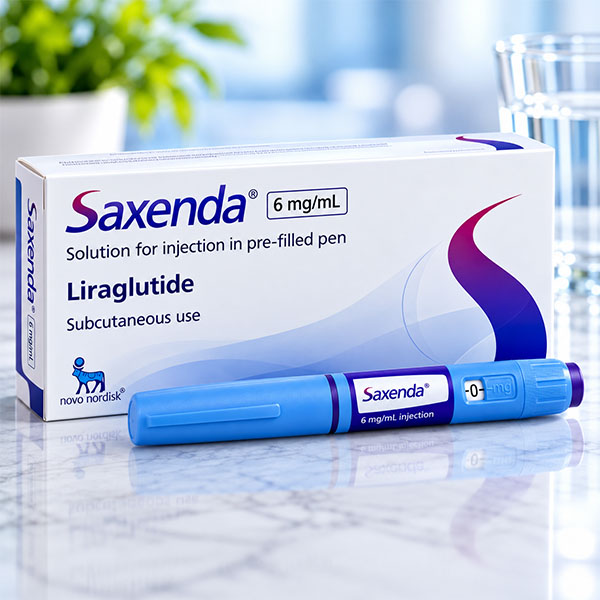
Saxenda (Liraglutide) is a prescription medicine containing liraglutide, a glucagon-like peptide-1 (GLP-1) receptor agonist. It is used alongside a reduced-calorie diet and increased physical activity for chronic weight management in eligible patients.
Saxenda works by activating GLP-1 receptors involved in appetite regulation, food intake, and blood glucose control. It is administered as a subcutaneous injection, generally once daily, under the supervision of a qualified healthcare professional.
Important: Saxenda is primarily used for weight management, while other liraglutide products may have different approved indications and dosing instructions.
Key Product Information
| Product Detail | Information |
|---|---|
| Product Name | Saxenda |
| Active Ingredient | Liraglutide |
| Drug Class | GLP-1 receptor agonist |
| Dosage Form | Injectable solution |
| Route of Administration | Subcutaneous injection |
| Administration Frequency | Once daily |
| Primary Use | Chronic weight management |
| Prescription Status | Prescription medicine |
| Therapeutic Area | Obesity and metabolic health |
| Main Action | Appetite regulation and reduced food intake |
| Strength | 6 mg/mL solution in a prefilled pen |
What Is Saxenda?
Saxenda is a prescription medicine containing liraglutide. It is used together with a reduced-calorie diet and increased physical activity to support long-term weight management in eligible adults and certain pediatric patients.
Liraglutide acts on GLP-1 receptors, which are involved in appetite regulation, food intake, blood glucose control, and gastrointestinal function.
In the United States, Saxenda is indicated for eligible adults with obesity or overweight accompanied by at least one weight-related medical condition, as well as certain adolescents aged 12 years and older with obesity and body weight above 60 kg. Approved uses may vary by country.
Mechanism of Action
Liraglutide is a GLP-1 receptor agonist that acts similarly to the naturally occurring GLP-1 hormone.
Its effects may include:
-
Appetite regulation: May reduce hunger and food cravings.
-
Reduced food intake: May support a reduction in daily calorie consumption.
-
Delayed gastric emptying: Slows the movement of food from the stomach.
-
Blood glucose regulation: Supports glucose-dependent insulin secretion and may reduce glucagon release.
-
Weight management support: Helps eligible patients achieve and maintain weight reduction alongside lifestyle changes.
Individual responses to treatment can vary.
Medical Uses
Saxenda may be prescribed for:
-
Long-term weight management in adults with obesity.
-
Weight management in adults with overweight and at least one weight-related medical condition.
-
Weight management in certain adolescents with obesity.
-
Supporting weight reduction alongside dietary and physical activity changes.
-
Improving selected weight-related health outcomes in eligible patients.
Saxenda is not intended to treat type 1 diabetes or diabetic ketoacidosis. Its use in pediatric patients with type 2 diabetes has not been established under the U.S. product labeling.
Eligibility for Weight Management
Eligibility depends on age, BMI, body weight, medical history, and associated health conditions.
Common eligibility criteria in the U.S. labeling include:
-
Adults with a BMI of 30 kg/m² or higher.
-
Adults with a BMI of 27 kg/m² or higher and at least one weight-related medical condition.
-
Certain adolescents aged 12 years and older with obesity and body weight above 60 kg.
Specific criteria may differ by country. A qualified healthcare professional must determine whether Saxenda is appropriate.
Potential Benefits
When appropriately prescribed, Saxenda may help with:
-
Reduced appetite.
-
Reduced calorie intake.
-
Clinically meaningful weight reduction.
-
Long-term weight maintenance.
-
Improvement in certain weight-related health factors.
-
Better management of selected metabolic risk factors.
Treatment results vary depending on medical history, lifestyle, adherence, treatment duration, and individual response.
In some regulatory jurisdictions, treatment effectiveness is reassessed after a defined period at the target dose. For example, the European product information includes criteria for reassessing treatment if the required weight reduction is not achieved.
Dosage and Administration
Saxenda is administered as a subcutaneous injection once daily. The dose is gradually increased to help reduce gastrointestinal side effects.
A commonly used U.S. dosing schedule is:
| Treatment Period | Daily Dose |
|---|---|
| Week 1 | 0.6 mg |
| Week 2 | 1.2 mg |
| Week 3 | 1.8 mg |
| Week 4 | 2.4 mg |
| Week 5 onward | 3 mg maintenance dose |
The recommended adult maintenance dose is 3 mg daily. Pediatric dose escalation and maintenance instructions may differ and should be determined by the treating healthcare professional.
Administration Precautions
-
Use Saxenda exactly as prescribed.
-
Inject into the abdomen, thigh, or upper arm as instructed.
-
Administer the injection once daily, regardless of meal timing.
-
Do not increase the dose independently.
-
Follow the official instructions for missed doses.
-
Do not share injection pens between patients.
-
Use a new needle according to the product instructions.
-
Follow the manufacturer’s storage and handling requirements.
Dosage changes must be made only by a qualified healthcare professional.
Common Side Effects
Common adverse effects may include:
-
Nausea.
-
Diarrhea.
-
Constipation.
-
Vomiting.
-
Abdominal pain.
-
Indigestion.
-
Headache.
-
Fatigue.
-
Dizziness.
-
Injection-site reactions.
-
Reduced appetite.
Gastrointestinal symptoms may be more noticeable during treatment initiation or dose escalation. Contact a healthcare professional if symptoms are severe, persistent, or cause dehydration.
Serious Warnings and Risks
1. Thyroid C-Cell Tumors
Liraglutide caused thyroid C-cell tumors in animal studies. It is not known whether this effect occurs in humans.
Saxenda is contraindicated in individuals with a personal or family history of medullary thyroid carcinoma or Multiple Endocrine Neoplasia syndrome type 2.
2. Pancreatitis
Pancreatitis has been reported with GLP-1 receptor agonists.
Seek urgent medical attention if severe or persistent abdominal pain occurs, especially if the pain radiates to the back or is accompanied by vomiting.
3. Gallbladder Disease
Gallstones and gallbladder inflammation may occur during treatment.
Seek medical evaluation if you experience:
-
Persistent upper abdominal pain.
-
Fever.
-
Vomiting.
-
Yellowing of the skin or eyes.
-
Unusual abdominal tenderness.
4. Hypoglycemia
The risk of low blood glucose may increase when Saxenda is used with insulin or insulin secretagogues, such as sulfonylureas.
Patients with diabetes may require appropriate blood glucose monitoring.
5. Increased Heart Rate
Saxenda may increase resting heart rate in some patients. Healthcare professionals may monitor heart rate during treatment.
Inform your healthcare provider if you experience persistent palpitations or a noticeably rapid heartbeat.
6. Acute Kidney Injury
Vomiting and diarrhea may cause dehydration, which can contribute to kidney problems. Medical assessment may be required if severe gastrointestinal symptoms occur.
7. Severe Gastrointestinal Reactions
Saxenda may cause gastrointestinal adverse reactions, including potentially severe symptoms. It is not recommended for patients with severe gastroparesis under the U.S. product labeling.
8. Serious Allergic Reactions
Serious hypersensitivity reactions, including anaphylaxis and angioedema, have been reported.
Seek emergency medical care if symptoms such as breathing difficulty, facial swelling, severe rash, or faintness develop.
9. Aspiration During Anesthesia
Saxenda may delay gastric emptying, and pulmonary aspiration has been reported during general anesthesia or deep sedation in patients receiving GLP-1 receptor agonists.
Inform the surgical and anesthesia team about Saxenda use before a planned procedure.
Drug Interactions
Saxenda delays gastric emptying and may affect the absorption of some oral medicines.
Inform your healthcare provider if you use:
-
Insulin.
-
Sulfonylureas.
-
Other diabetes medicines.
-
Oral medicines with a narrow therapeutic index.
-
Other liraglutide-containing products.
-
Other GLP-1 receptor agonists.
Coadministration with another liraglutide-containing product or another GLP-1 receptor agonist is not recommended unless specifically directed by a qualified healthcare professional.
Contraindications and Precautions
Saxenda is contraindicated in individuals with:
-
A personal or family history of medullary thyroid carcinoma.
-
Multiple Endocrine Neoplasia syndrome type 2.
-
A serious hypersensitivity reaction to liraglutide or any of its ingredients.
Inform your healthcare provider if you have:
-
A history of pancreatitis.
-
Gallbladder disease.
-
Kidney disease.
-
Severe gastrointestinal disease or gastroparesis.
-
Diabetes treated with insulin or sulfonylureas.
-
A planned surgery or procedure involving anesthesia.
-
Pregnancy, planned pregnancy, or breastfeeding.
-
A history of serious allergic reactions to medicines.
Saxenda may cause fetal harm. If pregnancy occurs, contact your healthcare provider promptly to discuss treatment.
Storage Information
Store Saxenda according to the manufacturer’s instructions and the specific product packaging.
General precautions include:
-
Store unopened pens according to the recommended temperature requirements.
-
Protect the medicine from excessive heat and direct sunlight.
-
Do not freeze Saxenda.
-
Do not use the medicine if it has been frozen or improperly stored.
-
Keep the medicine out of the reach of children.
-
Do not use the product if its appearance does not meet the official instructions.
-
Do not share injection pens between patients.
Always follow the storage instructions supplied with the specific product.
Frequently Asked Questions
1. What is Saxenda used for?
Saxenda is used alongside a reduced-calorie diet and increased physical activity for long-term weight management in eligible patients.
2. What is the active ingredient in Saxenda?
The active ingredient is liraglutide, a GLP-1 receptor agonist.
3. How often is Saxenda administered?
Saxenda is generally administered once daily by subcutaneous injection.
4. Can Saxenda cause nausea?
Yes. Nausea is a commonly reported side effect. Vomiting, diarrhea, constipation, and abdominal discomfort may also occur.
5. Is Saxenda the same as Victoza?
Both Saxenda and Victoza contain liraglutide, but they have different approved uses and dosing instructions. They should not be used together.
6. Can Saxenda be used with diabetes medicines?
Saxenda may be used in certain patients with diabetes, but combining it with insulin or insulin secretagogues can increase the risk of hypoglycemia. Medical supervision is required.
7. Who should not use Saxenda?
Individuals with a personal or family history of medullary thyroid carcinoma, MEN 2, or serious hypersensitivity to liraglutide or its ingredients should not use Saxenda. Other medical conditions require individual assessment.
8. Is Saxenda a prescription medicine?
Yes. Saxenda is a prescription medicine and should be used under qualified medical supervision.



There are no reviews yet.