

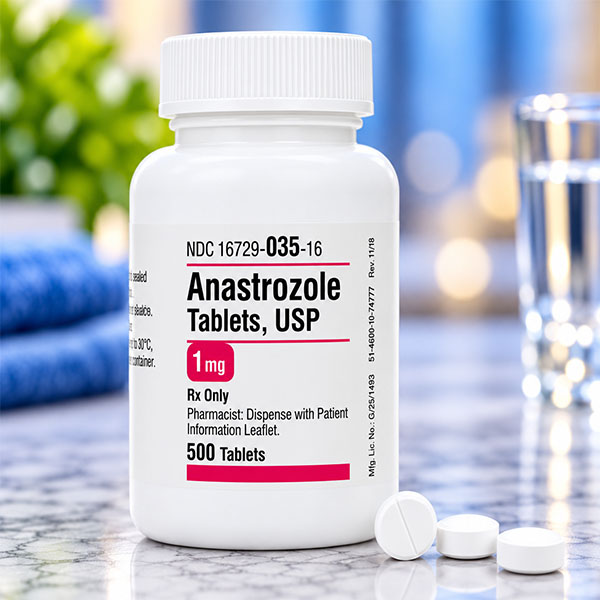


Anastrozole: Uses, Benefits, Dosage, and Safety Information
Anastrozole is a prescription medicine used to treat certain types of hormone receptor-positive breast cancer in postmenopausal women. It belongs to a group of medicines called aromatase inhibitors, which work by reducing the amount of estrogen produced in the body.
What Is Anastrozole?
Anastrozole should be used only under the guidance of a qualified healthcare professional.
What Is Anastrozole Used For?
Anastrozole is approved for several uses related to breast cancer treatment in postmenopausal women.
1. Early-Stage Breast Cancer
Doctors may prescribe anastrozole as an additional treatment after the primary treatment for hormone receptor-positive early breast cancer. The goal is to reduce the risk of the cancer returning.
2. Advanced Breast Cancer
Anastrozole may be used as an initial treatment for certain cases of locally advanced or metastatic breast cancer, depending on the tumor’s hormone receptor status.
3. Breast Cancer After Tamoxifen Treatment
Doctors may prescribe anastrozole for postmenopausal women with advanced breast cancer that has progressed after tamoxifen treatment.
The appropriate treatment depends on the patient’s medical history, cancer characteristics, and response to previous therapies.
How Does Anastrozole Work?
Estrogen is a hormone that can stimulate the growth of certain breast cancer cells. After menopause, much of the body’s estrogen is produced when an enzyme called aromatase converts other hormones into estrogen.
Anastrozole blocks this enzyme and reduces estrogen production.
Lower estrogen levels can help slow the growth of hormone-sensitive breast cancer. This makes anastrozole an important treatment option for eligible patients.
Anastrozole Dosage and Administration
The usual prescribed dose for adults receiving anastrozole for its approved breast cancer indications is 1 mg once daily.
However, the correct treatment plan and duration must be determined by the prescribing healthcare professional.
Important administration guidelines include:
- Take the medicine exactly as prescribed.
- Take the tablet with or without food.
- Try to take it at the same time each day.
- If you miss a dose, follow your medication instructions or ask your pharmacist what to do.
- Do not double your next dose to make up for a missed dose.
- Do not stop treatment without consulting your doctor.
Always read the patient information leaflet supplied with your medication.
Common Side Effects of Anastrozole
Like other prescription medicines, anastrozole can cause side effects. Their severity varies from person to person.
Commonly reported side effects include:
- Hot flashes
- Joint pain or stiffness
- Headaches
- Nausea
- Weakness or tiredness
- Bone or back pain
- Reduced bone mineral density
Some patients may also experience changes in cholesterol levels.
Contact your healthcare professional if side effects persist, become severe, or interfere with daily activities.
Important: Seek urgent medical attention if you experience signs of a severe allergic reaction, such as difficulty breathing or swelling of the face or throat.
Important Safety Precautions
Before starting anastrozole, tell your healthcare professional about your medical history and all medicines or supplements you use.
Consider the following precautions:
Bone health: Anastrozole can reduce bone mineral density and increase the risk of osteoporosis or fractures. Your doctor may recommend bone-density monitoring.
Heart health: Patients with pre-existing coronary heart disease should discuss their cardiovascular history with their doctor before treatment.
Pregnancy and breastfeeding: Anastrozole can harm a developing fetus and is not appropriate during pregnancy. Discuss pregnancy risks and breastfeeding restrictions with your healthcare professional.
Drug interactions: Tamoxifen and estrogen-containing medicines can interfere with anastrozole’s effects. Tell your doctor about all prescription medicines, over-the-counter products, and supplements you take.
Never combine anastrozole with another hormone-related medicine unless your treating clinician has specifically advised you to do so.
Who Should Avoid Anastrozole?
Anastrozole is not suitable for everyone. It is generally not indicated for premenopausal women with breast cancer and is contraindicated during pregnancy and in people with a known serious hypersensitivity to the medicine.
Patients with liver disease, osteoporosis, or certain cardiovascular conditions should discuss the potential risks with their healthcare professional.
Your doctor will determine whether anastrozole is appropriate based on your diagnosis, medical history, and individual treatment needs.
Frequently Asked Questions About Anastrozole
What is anastrozole 1 mg used for?
Anastrozole 1 mg is a prescription medicine used to treat certain types of hormone-sensitive breast cancer in postmenopausal women. It works by reducing estrogen production.
Is anastrozole available as a generic medicine?
Yes. Generic anastrozole is available in addition to the brand-name product Arimidex. Availability may vary by country and pharmacy.
How long does anastrozole treatment last?
Treatment duration depends on the type and stage of breast cancer, the patient’s response, and the treating specialist’s recommendations. Some patients with early breast cancer receive treatment for several years.
Can anastrozole cause joint pain?
Yes. Joint pain and stiffness are recognized side effects. Speak with your healthcare professional if these symptoms become persistent or difficult to manage.
Can I take anastrozole without a prescription?
No. Anastrozole is a prescription medicine that requires medical assessment and monitoring. It should not be used without guidance from a qualified healthcare professional.
Final Thoughts
Anastrozole is an important aromatase inhibitor used in the treatment of certain types of hormone-sensitive breast cancer. By reducing estrogen production, it can help manage the disease in appropriately selected postmenopausal patients.
Understanding its uses, dosage instructions, side effects, and precautions can help patients make informed decisions with their healthcare teams.
For reliable medicine information, always consult a qualified healthcare professional and refer to the official prescribing information before starting or changing treatment.
Medical disclaimer: This article is for educational purposes only and does not replace professional medical advice, diagnosis, or treatment.

There are no reviews yet.