

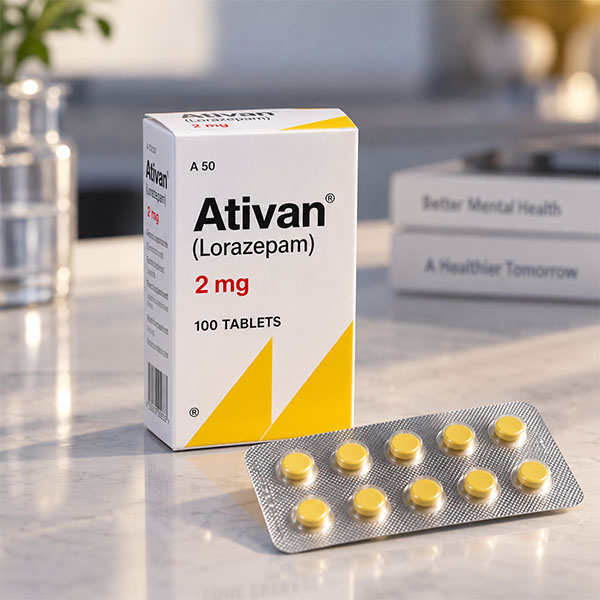
Ativan (Lorazepam): Uses, Safety Information, and Prescription Guidance
Ativan (lorazepam) is a prescription medication that belongs to a class of medicines called benzodiazepines. Doctors may prescribe it to manage anxiety disorders or provide short-term relief from anxiety symptoms. It works by slowing certain activities in the brain and central nervous system.
What Is Ativan?
Ativan is the brand name for lorazepam. It is a benzodiazepine medication that affects chemicals in the brain involved in nervous system activity.
Healthcare professionals may prescribe Ativan for certain anxiety-related conditions. Treatment depends on a person’s symptoms, medical history, and overall health.
Ativan is a prescription-only medication in the United States. It is also a Schedule IV controlled substance because it carries a risk of misuse, addiction, and physical dependence.
What Is Ativan Used For?
Doctors may prescribe Ativan for the following reasons:
- Anxiety disorders: To help manage symptoms associated with diagnosed anxiety conditions.
- Short-term anxiety relief: To provide temporary relief when clinically appropriate.
- Anxiety associated with depression: In selected cases, a healthcare professional may prescribe it to relieve accompanying anxiety symptoms.
Ativan is not suitable for everyone. A healthcare professional should determine whether it is appropriate for your condition.
How Does Ativan Work?
Ativan increases the activity of gamma-aminobutyric acid (GABA), a chemical messenger that reduces activity in the central nervous system.
This action can help calm excessive nervous system activity and reduce anxiety symptoms.
The medication may also cause drowsiness, dizziness, and reduced alertness. Its effects vary between individuals.
Ativan Side Effects
Like other prescription medicines, Ativan can cause side effects. Common side effects may include:
- Drowsiness or sleepiness
- Dizziness
- Weakness or tiredness
- Unsteadiness
- Reduced alertness
Contact your healthcare professional if side effects persist or become concerning.
Important Safety Warnings
Ativan can cause serious side effects, including physical dependence, misuse, and addiction.
Combining Ativan with alcohol, opioids, or other medicines that slow the central nervous system can cause severe sedation and breathing difficulties. In serious cases, this combination can lead to coma or death.
Seek emergency medical assistance if someone taking Ativan develops slow or difficult breathing, extreme sleepiness, or cannot be awakened.
Important Precautions Before Taking Ativan
Before starting treatment, tell your doctor about your medical history and all medicines you use.
Extra care may be necessary if you:
- Have breathing problems or sleep apnea.
- Have a history of substance misuse or dependence.
- Have liver disease or other significant medical conditions.
- Are pregnant, planning a pregnancy, or breastfeeding.
- Take opioids, sleeping medicines, or other sedating medications.
Do not drive or operate machinery until you know how Ativan affects you. Avoid alcohol while taking this medication.
How Should Ativan Be Taken?
Take Ativan exactly as prescribed by your healthcare professional. The appropriate dose and treatment duration depend on your condition, response to treatment, age, and other medical factors.
Never increase your dose or take it more frequently than directed.
Do not stop taking Ativan suddenly if you have been using it regularly. Abrupt discontinuation can cause withdrawal symptoms, which may include severe anxiety, shaking, and seizures. Your prescriber can develop a gradual dose-reduction plan when discontinuation is appropriate.
Frequently Asked Questions About Ativan
Is Ativan used to treat anxiety?
Is Ativan a benzodiazepine?
Yes. Ativan contains lorazepam, a medicine in the benzodiazepine class.
Can Ativan cause dependence?
Yes. Physical dependence can develop during treatment, and the risk may increase with higher doses or longer use. Follow your prescriber’s instructions and discuss any concerns about dependence.
Can I take Ativan with alcohol?
No. Avoid alcohol while taking Ativan because the combination can increase sedation and the risk of dangerous breathing problems.
Do I need a prescription for Ativan?
Yes. Ativan is a prescription medication in the United States. It should be used only under the supervision of a qualified healthcare professional and obtained through a legally authorized pharmacy.
Final Thoughts
Ativan (lorazepam) may help manage certain anxiety conditions when prescribed and monitored appropriately. However, it has important risks, including drowsiness, dependence, withdrawal, and potentially dangerous drug interactions.
Speak with a qualified healthcare professional to determine whether this medication is appropriate for you. Always follow the prescription label and official medication guidance.
Medical disclaimer: This content is for educational purposes only. It does not replace professional medical advice, diagnosis, or treatment. Always consult your doctor or pharmacist before starting, changing, or stopping a medication.


There are no reviews yet.