

Ritalin (Methylphenidate): Uses, Benefits, Dosage, and Safety Information
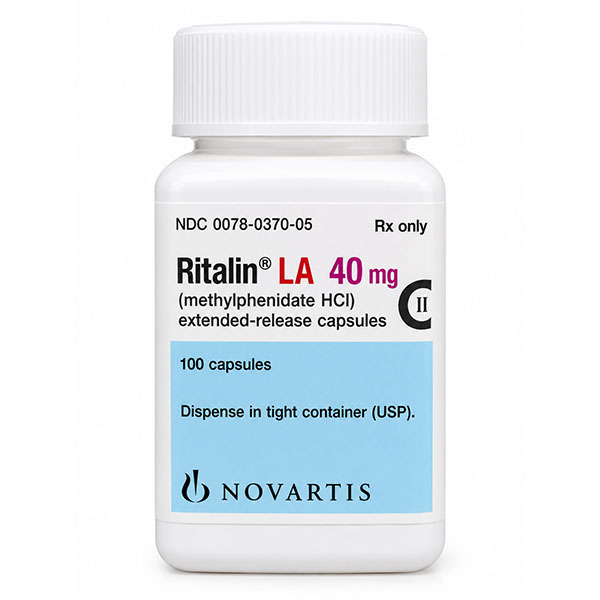
Ritalin is a prescription medication containing methylphenidate hydrochloride. It belongs to a group of medicines called central nervous system (CNS) stimulants. Healthcare professionals prescribe Ritalin to help manage attention-deficit/hyperactivity disorder (ADHD) and narcolepsy in appropriate patients.
If you are researching Ritalin, understanding how it works, its potential benefits, possible side effects, and important safety precautions can help you make informed decisions with your healthcare provider.
What Is Ritalin?
Ritalin is a prescription medicine that affects certain chemical messengers in the brain. These chemicals play a role in attention, alertness, and impulse control.
For people diagnosed with ADHD, Ritalin may help improve attention and reduce hyperactivity and impulsive behavior. For people with narcolepsy, it may help manage excessive daytime sleepiness.
Ritalin is available in specific formulations. The appropriate formulation depends on the patient’s medical needs and the prescribing professional’s recommendations.
Active ingredient: Methylphenidate hydrochloride
Medication class: Central nervous system stimulant
Prescription status: Prescription-only medication in the United States
Approved uses: ADHD and narcolepsy, according to the applicable product labeling
What Is Ritalin Used For?
Healthcare professionals may prescribe Ritalin for the following conditions.
1. Attention-Deficit/Hyperactivity Disorder (ADHD)
ADHD can affect attention, organization, impulse control, and activity levels. Ritalin may help eligible patients manage these symptoms as part of an individualized treatment plan.
Potential treatment goals include:
- Improving attention and concentration.
- Reducing impulsive behavior.
- Managing hyperactivity.
- Supporting daily activities at school, work, or home.
Individual results vary. A healthcare professional should monitor treatment and determine whether the medication is appropriate.
2. Narcolepsy
Narcolepsy is a neurological condition that can cause excessive daytime sleepiness and sudden episodes of falling asleep.
Ritalin may help certain patients remain more alert during waking hours. It does not cure narcolepsy, and treatment should be supervised by a qualified healthcare professional.
How Does Ritalin Work?
Ritalin affects the activity of dopamine and norepinephrine, two chemical messengers involved in attention, alertness, and other brain functions.
By influencing these chemical signals, methylphenidate can help improve attention and reduce certain ADHD symptoms in appropriately diagnosed patients.
The medication’s effects depend on factors such as the prescribed formulation, individual response, and treatment plan. Ritalin should not be used as a study aid, productivity enhancer, or substitute for a medical evaluation.
Ritalin Dosage and Administration
The appropriate Ritalin dosage varies from person to person. A prescriber considers factors such as age, diagnosis, response to treatment, other medications, and medical history.
Follow these important precautions:
- Take Ritalin exactly as prescribed.
- Follow the instructions for your specific formulation.
- Do not increase the dose or change the dosing schedule without consulting your prescriber.
- Do not share your medication with another person.
- Contact your healthcare professional if you miss a dose or experience troublesome side effects.
Never use another person’s prescription or purchase prescription medication from an unverified source.
Possible Side Effects of Ritalin
Like other prescription medicines, Ritalin can cause side effects. Some are mild, while others may require prompt medical attention.
Commonly reported side effects include:
- Reduced appetite.
- Difficulty sleeping.
- Headache.
- Nervousness or anxiety.
- Stomach discomfort.
- Increased heart rate.
- Increased blood pressure.
Side effects vary among individuals. Contact your healthcare professional if symptoms persist, worsen, or interfere with everyday activities.
Serious Safety Warnings
Ritalin carries a boxed warning concerning abuse, misuse, and addiction. Misuse can cause serious harm, including overdose and death.
Seek urgent medical care for symptoms such as chest pain, fainting, severe shortness of breath, or signs of a serious allergic reaction.
Tell your prescriber about any history of heart problems, high blood pressure, mental health conditions, substance use disorders, or other relevant medical concerns before starting treatment.
Who Should Use Caution With Ritalin?
Ritalin is not suitable for everyone. Before prescribing it, a healthcare professional should review your medical history and current medications.
Discuss the following with your prescriber:
- Existing heart or cardiovascular conditions.
- High blood pressure.
- Anxiety, agitation, or certain psychiatric conditions.
- A personal history of substance misuse.
- Other prescription medicines, over-the-counter products, or supplements.
- Pregnancy, plans for pregnancy, or breastfeeding.
Ritalin must not be taken with monoamine oxidase inhibitors (MAOIs), or within 14 days of stopping an MAOI, because of the risk of a dangerous increase in blood pressure.
Never start or stop medication based solely on information from a website. Your prescriber can assess individual risks and recommend appropriate treatment.
How Should Ritalin Be Stored?
Proper storage helps reduce the risk of accidental exposure, misuse, and theft.
- Keep Ritalin in a secure location, preferably locked.
- Store it according to the instructions on the product label.
- Keep it out of the reach of children and anyone for whom it was not prescribed.
- Never share your medication.
- Dispose of unused medicine according to local guidance or an authorized medication take-back program.
Frequently Asked Questions About Ritalin
Is Ritalin used to treat ADHD?
Yes. Ritalin is prescribed for ADHD in eligible children aged six years and older and adults, according to its US prescribing information. Treatment decisions should be individualized.
How long does Ritalin take to work?
The onset and duration of effects depend on the formulation and the individual. Ask your pharmacist or prescriber what to expect from your specific medication.
Is Ritalin a controlled substance?
Yes. In the United States, Ritalin is classified as a Schedule II controlled substance because it has a significant potential for misuse and dependence.
Can Ritalin cause addiction?
Ritalin has a recognized risk of abuse, misuse, and addiction. Taking it exactly as prescribed and attending follow-up appointments can help support safer treatment, but the risk still requires professional monitoring.
Can I take Ritalin without a prescription?
No. In the United States, Ritalin requires a valid prescription from an authorized healthcare professional. Taking medication prescribed to someone else can be dangerous.
Can I buy Ritalin online?
Final Thoughts
Ritalin (methylphenidate) is a prescription stimulant used to manage ADHD and narcolepsy in appropriate patients. It may help improve attention or alertness, but it also carries important risks, including side effects, misuse, dependence, and addiction.
The safest approach is to obtain medical advice, follow the prescribed instructions, and use a properly authorized pharmacy. A healthcare professional can help determine whether Ritalin is appropriate for your needs.
Medical disclaimer: This content is for general educational purposes only. It does not replace professional medical advice, diagnosis, or treatment. Always consult a qualified healthcare professional and read the official medication guide before using Ritalin.

There are no reviews yet.