

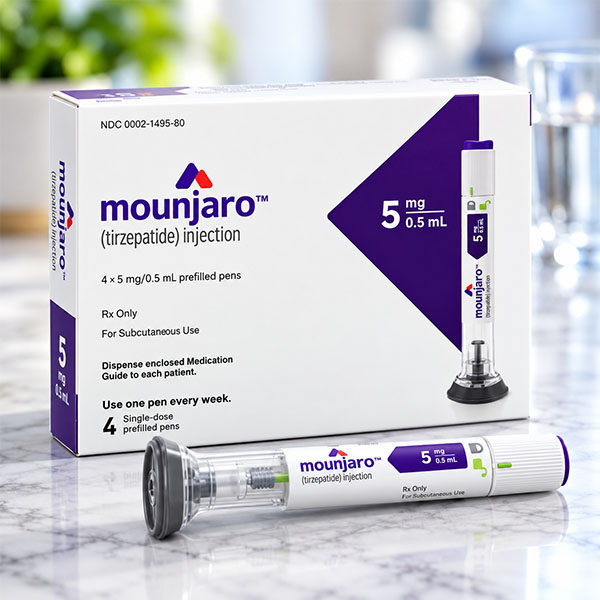


Mounjaro (Tirzepatide): Uses, Benefits, Dosage and Safety Information
What Is Mounjaro?
Mounjaro helps the body regulate blood glucose levels. It can also affect appetite and how quickly food moves through the stomach.
In the United States, Mounjaro is approved to improve blood sugar control in adults and children aged 10 years and older with type 2 diabetes. It is also approved to reduce the risk of major cardiovascular events in adults with type 2 diabetes who are at high risk of these events.
How Does Mounjaro Work?
Mounjaro works by activating two hormone receptors: GIP and GLP-1. These hormones help regulate blood sugar and other metabolic functions.
Here is how Mounjaro works in the body:
- Supports blood sugar control: It helps the body release insulin when blood sugar levels are elevated.
- Reduces glucagon release: It helps reduce the release of a hormone that raises blood sugar.
- Slows stomach emptying: This can affect how quickly food moves through the stomach.
- May reduce appetite: Some people experience reduced hunger and changes in food intake.
These effects can help improve blood sugar control when Mounjaro is used as prescribed alongside diet and exercise.
Potential Benefits of Mounjaro
Mounjaro may offer several benefits for people who are suitable for treatment.
1. Improved Blood Sugar Control
Mounjaro can help lower blood glucose levels in people with type 2 diabetes. Your healthcare provider may monitor your blood sugar and other health indicators during treatment.
2. Potential Weight Reduction
However, weight loss varies from person to person. Mounjaro should not be used solely for weight management without appropriate medical guidance and confirmation that the prescribed product is suitable for that purpose.
3. Once-Weekly Administration
Mounjaro is administered as a subcutaneous injection once a week. The injection schedule may be convenient for some patients, but proper training and adherence to the prescribed instructions remain important.
4. Cardiovascular Risk Reduction for Certain Patients
In the United States, Mounjaro is approved to reduce the risk of major cardiovascular events in adults with type 2 diabetes who are at high risk. Your healthcare provider can determine whether this indication applies to you.
Mounjaro Dosage and Administration
Treatment typically begins at a low dose. A healthcare provider may increase the dose gradually when needed to improve blood sugar control and help manage gastrointestinal side effects.
Mounjaro is generally administered once weekly, at any time of day, with or without food. The injection is given under the skin according to the instructions for the specific product.
Never change your dose without consulting your healthcare provider. Do not use another person’s medication, share injection devices, or combine Mounjaro with other medicines containing tirzepatide unless specifically directed by a qualified prescriber.
Possible Side Effects of Mounjaro
Like all prescription medicines, Mounjaro can cause side effects. The most common include:
- Nausea
- Diarrhea
- Decreased appetite
- Vomiting
- Constipation
- Indigestion
- Abdominal pain
These effects may be more noticeable when treatment begins or the dose increases.
Important Safety Warnings
Mounjaro also carries important warnings and precautions.
- Thyroid tumors: In animal studies, tirzepatide caused thyroid C-cell tumors. It is not known whether this risk applies to humans. Mounjaro must not be used by people with a personal or family history of medullary thyroid carcinoma or by people with Multiple Endocrine Neoplasia syndrome type 2 (MEN 2).
- Pancreatitis: Severe or persistent abdominal pain may indicate inflammation of the pancreas and requires prompt medical assessment.
- Low blood sugar: The risk of hypoglycemia may increase when Mounjaro is used with insulin or certain other diabetes medicines.
- Dehydration and kidney problems: Persistent vomiting or diarrhea can cause dehydration and may affect kidney function.
- Gallbladder problems: Gallstones and other gallbladder complications have been reported.
- Pregnancy: Discuss pregnancy plans and possible risks with your healthcare provider before starting or continuing treatment.
Seek urgent medical care for severe abdominal pain, serious allergic reactions, or other severe or unusual symptoms. Tell your healthcare provider about all medicines you take and any planned surgery or procedure.
Who Should Consider Mounjaro?
Mounjaro may be suitable for people who need additional blood sugar control for type 2 diabetes and meet the prescribing criteria.
It is not appropriate for everyone. Your healthcare provider should review your medical history, current medicines, treatment goals, and potential risks before prescribing it.
Why Choose a Reliable Pharmacy?
A reliable pharmacy should offer clear product information, appropriate storage and handling, and access to a pharmacist for medication-related questions.
At Sure Pharma Meds Hub, customers should review the applicable prescription requirements, product details, and pharmacy policies before proceeding with any medication order.
Frequently Asked Questions About Mounjaro
What is Mounjaro used for?
Does Mounjaro help with weight loss?
How often is Mounjaro taken?
Mounjaro is usually injected once a week. Follow the exact instructions provided with your prescribed product.
What are the common side effects of Mounjaro?
Common side effects include nausea, diarrhea, vomiting, constipation, reduced appetite, indigestion, and abdominal pain.
Can I take Mounjaro without a prescription?
Is Mounjaro suitable for everyone with diabetes?
No. Its suitability depends on the patient’s medical history, current medications, and individual risk factors. A qualified healthcare provider must assess whether it is appropriate.
Final Thoughts
Mounjaro (tirzepatide) is an important treatment option for eligible people with type 2 diabetes. It can improve blood sugar control and may also lead to weight loss in some patients. However, it has potential side effects and serious warnings that should be understood before treatment begins.
For the safest approach, speak with a qualified healthcare professional, follow the approved prescribing instructions, and obtain the medication through a legitimate pharmacy.
Medical disclaimer: This article is for general educational purposes only. It does not replace professional medical advice, diagnosis, or treatment. Always consult a qualified healthcare professional before starting, changing, or stopping a prescription medication.






There are no reviews yet.