

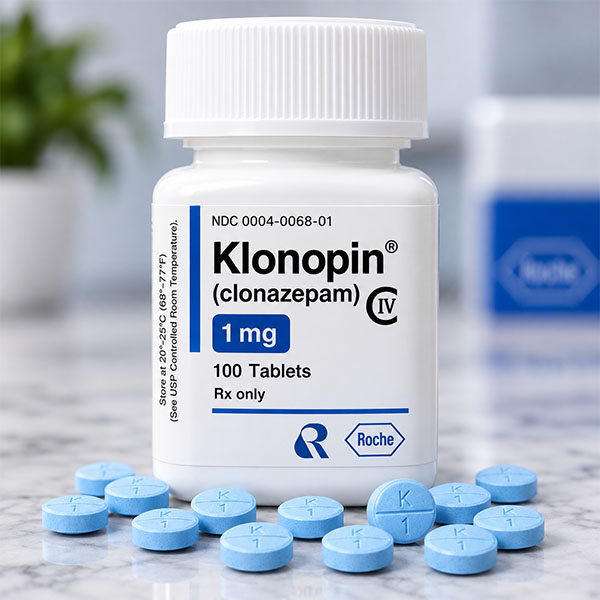


Klonopin (Clonazepam)
Product Overview
Klonopin is the brand name for clonazepam, a prescription medication belonging to the benzodiazepine class. It works primarily by increasing the activity of gamma-aminobutyric acid (GABA) in the brain. GABA is an inhibitory neurotransmitter that helps reduce excessive activity in the central nervous system.
Clonazepam is prescribed by healthcare professionals for specific medical conditions, including certain seizure disorders and panic disorder. Because benzodiazepines can cause sedation, tolerance, physical dependence, and withdrawal symptoms, Klonopin should only be used according to a healthcare professional’s instructions.
Active Ingredient
Clonazepam
Drug Class
Benzodiazepine
Available Forms
Klonopin may be available as oral tablets and orally disintegrating tablets, depending on the market and manufacturer. Strengths and formulations can vary by country.
Medical Uses
Klonopin (clonazepam) may be prescribed for:
- Panic disorder
- Certain seizure disorders
- Some forms of epilepsy
- Specific seizure-related conditions as determined by a healthcare professional
The appropriate use depends on the patient’s medical history, diagnosis, age, other medications, and individual response to treatment.
How Klonopin Works
Clonazepam enhances the effects of GABA in the central nervous system. This reduces excessive neuronal activity and produces calming, anticonvulsant, and sedative effects.
Because of these effects, clonazepam can cause drowsiness and reduced alertness.
Common Side Effects
Possible side effects of clonazepam include:
- Drowsiness
- Dizziness
- Fatigue
- Reduced coordination
- Difficulty concentrating
- Slower reaction time
- Muscle weakness
- Problems with memory
- Changes in balance
Side effects may be more pronounced when treatment is started or when the dose is changed.
Serious Risks and Warnings
Klonopin can cause physical dependence and withdrawal, particularly when taken regularly or for an extended period.
Do not suddenly stop taking clonazepam after regular use unless specifically instructed by a healthcare professional. Sudden discontinuation can result in withdrawal symptoms and, in some circumstances, serious complications including seizures.
Opioid Interaction
Combining clonazepam with opioid medicines can cause profound sedation, respiratory depression, coma, or death. Patients taking opioids should inform their healthcare professional before using clonazepam.
Alcohol and Other Sedatives
Alcohol and other central nervous system depressants can increase clonazepam’s sedative effects. Combining them may significantly impair coordination and alertness and can increase the risk of dangerous breathing problems.
Driving and Operating Machinery
Clonazepam can cause drowsiness, dizziness, impaired coordination, and slower reaction times. Patients should avoid driving or operating machinery until they know how the medicine affects them.
Dependence and Withdrawal
Benzodiazepines such as clonazepam can lead to physical dependence. Withdrawal may occur following regular use, particularly after prolonged treatment or abrupt discontinuation.
Possible withdrawal symptoms can include:
- Anxiety
- Irritability
- Restlessness
- Sleep disturbances
- Tremors
- Sweating
- Difficulty concentrating
- Sensory disturbances
- Seizures in severe cases
A healthcare professional may gradually reduce treatment when discontinuation is appropriate.
Drug Interactions
Clonazepam can interact with various medicines and substances, including:
- Opioid pain medicines
- Other benzodiazepines
- Sleeping medicines
- Sedating antihistamines
- Certain antidepressants
- Antipsychotic medicines
- Muscle relaxants
- Alcohol
- Other central nervous system depressants
Patients should provide their healthcare professional with a complete list of prescription medicines, over-the-counter products, and supplements they use.
Important Precautions
Before taking Klonopin, tell your healthcare professional if you have:
- A history of substance-use problems
- Breathing or respiratory problems
- Liver problems
- Kidney problems
- Glaucoma or other eye conditions
- A history of depression or other psychiatric conditions
- A history of seizures
- Previous problems with benzodiazepines or other sedative medicines
Older adults may be more susceptible to sedation, confusion, impaired coordination, and falls.
Pregnancy and Breastfeeding
Clonazepam may pose risks during pregnancy and may pass into breast milk. Anyone who is pregnant, planning pregnancy, or breastfeeding should discuss clonazepam treatment with a healthcare professional before using it.
Storage
Store Klonopin according to the manufacturer’s instructions and keep it in a secure location away from children and other people who may accidentally take it.
Missed Dose
If a dose is missed, follow the instructions provided by the prescribing healthcare professional or pharmacist. Do not take extra medication to compensate for a missed dose unless specifically instructed.
Overdose
Taking more clonazepam than prescribed can result in severe drowsiness, confusion, impaired coordination, loss of consciousness, and potentially life-threatening respiratory depression, particularly when combined with opioids or alcohol.
If an overdose is suspected, seek emergency medical assistance immediately.
Frequently Asked Questions
What is Klonopin?
Klonopin is the brand name for clonazepam, a prescription benzodiazepine medication used for certain seizure disorders and panic disorder.
What is the active ingredient in Klonopin?
The active ingredient is clonazepam.
Is Klonopin a benzodiazepine?
Yes. Clonazepam belongs to the benzodiazepine class of medicines.
Can Klonopin cause drowsiness?
Yes. Drowsiness, dizziness, impaired coordination, and slower reaction times are possible effects.
Can Klonopin cause dependence?
Yes. Regular use can result in physical dependence, and withdrawal can occur if treatment is stopped abruptly.
Can Klonopin be taken with alcohol?
Alcohol can increase the sedative effects of clonazepam and may increase the risk of dangerous impairment and breathing problems. Avoid combining them unless specifically directed by a healthcare professional.
Can Klonopin be taken with opioid medicines?
Combining clonazepam with opioids can cause severe sedation and respiratory depression and may be life-threatening. This combination requires careful medical supervision.
Should Klonopin be stopped suddenly?
No. People who have been taking clonazepam regularly should not stop it abruptly without medical guidance because withdrawal can be serious.
Disclaimer
This information is provided for educational purposes only and is not a substitute for professional medical advice, diagnosis, or treatment. Klonopin (clonazepam) is a prescription medicine and should only be used under the direction and supervision of a qualified healthcare professional. Always follow the prescription label and consult a doctor or pharmacist regarding appropriate use, interactions, contraindications, and discontinuation.









There are no reviews yet.