


Klonopin (Clonazepam): Uses, Benefits, Safety, and Important Information
If you are researching Klonopin, understanding how it works, its potential benefits, and its safety precautions can help you make informed decisions with your healthcare provider.
What Is Klonopin?
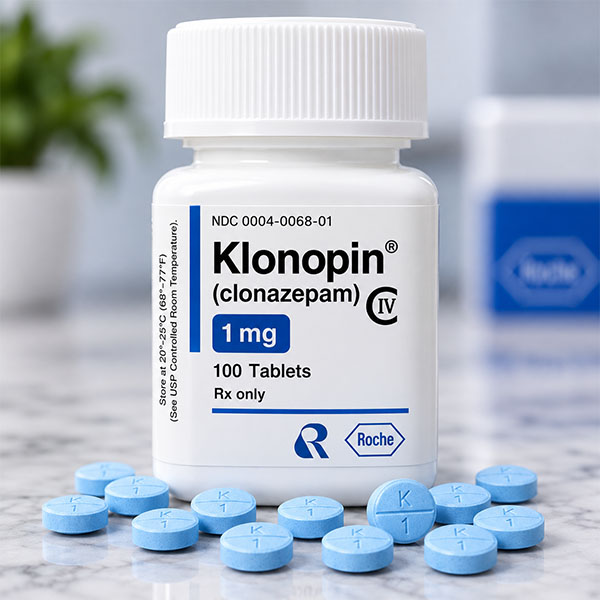
Klonopin (clonazepam) is a prescription medicine that increases the activity of gamma-aminobutyric acid (GABA), a chemical messenger in the brain that helps regulate nerve activity. This action can produce a calming effect and reduce excessive nerve activity.
Healthcare professionals may prescribe Klonopin for specific medical conditions when they determine that the potential benefits outweigh the risks.
Klonopin is not suitable for everyone. It requires medical supervision because it can cause drowsiness, physical dependence, and other serious side effects.
What Is Klonopin Used For?
Klonopin has two main approved uses in the United States.
1. Panic Disorder
Doctors may prescribe Klonopin to treat panic disorder. This condition involves recurring panic attacks and ongoing concern about experiencing additional attacks.
Treatment may help reduce the frequency of panic attacks and related symptoms. However, results vary from person to person, and a healthcare professional should monitor treatment.
2. Certain Seizure Disorders
Klonopin may also be prescribed to treat specific types of seizures, including certain forms of epilepsy. A doctor determines whether it is appropriate based on the patient’s condition, medical history, and other medications.
Important: Klonopin is not a universal treatment for anxiety, insomnia, or every type of seizure disorder. Its use should follow a qualified healthcare professional’s instructions.
How Does Klonopin Work?
Klonopin enhances the effects of GABA, a naturally occurring chemical in the brain. GABA helps slow excessive nerve activity.
By increasing GABA’s effects, clonazepam can help reduce abnormal electrical activity associated with certain seizures. It can also help manage symptoms associated with panic disorder.
The effects of Klonopin depend on the prescribed dose, the condition being treated, individual health factors, and other medications a person takes.
Potential Benefits of Klonopin
When prescribed appropriately, Klonopin may offer several therapeutic benefits:
- Panic disorder management: It can help reduce the frequency of panic attacks.
- Seizure control: It can help manage certain seizure disorders.
- Calming effects: Its action on the central nervous system can reduce excessive nerve activity.
- Individualized treatment: Healthcare professionals can assess whether clonazepam is suitable based on a patient’s needs.
These potential benefits must be balanced against the medication’s risks. Klonopin should only be used for its prescribed purpose and under medical supervision.
Klonopin Dosage and Administration
The appropriate Klonopin dosage varies according to the condition being treated, age, response to treatment, medical history, and other medications.
A healthcare professional determines the starting dose and any necessary adjustments. Patients should follow their prescription label and should never increase their dose or take the medicine more frequently than directed.
Keep the following points in mind:
- Take Klonopin exactly as prescribed.
- Do not share your medication with another person.
- Do not take extra doses if you are unsure whether you have already taken a dose; ask a pharmacist or healthcare professional for advice.
- Do not stop taking Klonopin suddenly without medical guidance.
Long-term or regular use can lead to physical dependence. Stopping abruptly may cause serious withdrawal symptoms, including seizures. A healthcare professional can develop a gradual dose-reduction plan when discontinuation is appropriate.
Possible Side Effects of Klonopin
Like other prescription medications, Klonopin can cause side effects. Some are mild, while others may require urgent medical attention.
Commonly reported side effects include:
- Drowsiness
- Dizziness
- Fatigue
- Problems with coordination
- Difficulty concentrating
- Memory difficulties
These effects may interfere with daily activities, particularly when treatment begins or the dose changes.
Seek urgent medical attention if you experience severe confusion, extreme sleepiness, slow or difficult breathing, or difficulty waking up.
Important Klonopin Safety Warnings
Understanding the risks of clonazepam is essential before starting treatment.
Risk of Dependence and Withdrawal
Regular use can cause physical dependence, even when the medicine is taken as prescribed. Misuse can also lead to addiction and overdose.
Do not suddenly discontinue Klonopin or reduce your dose without consulting your prescriber. Withdrawal can be severe and may become life-threatening.
Avoid Alcohol and Dangerous Drug Combinations
Alcohol can increase the sedative effects of Klonopin. Combining it with opioid pain medicines or other central nervous system depressants can cause profound sedation, breathing difficulties, coma, or death.
Tell your healthcare professional about all medicines, supplements, and substances you use.
Driving and Operating Machinery
Klonopin can impair alertness, judgment, coordination, and reaction time. Do not drive or operate machinery until you know how the medication affects you and your healthcare professional considers it safe.
Pregnancy and Breastfeeding
Discuss pregnancy, plans for pregnancy, and breastfeeding with your healthcare professional before using Klonopin. Treatment decisions require an individualized assessment of potential benefits and risks.
Who Should Consult a Doctor Before Using Klonopin?
Medical evaluation is especially important for people who have:
- A history of breathing problems or sleep-related breathing disorders
- Liver disease or other significant medical conditions
- A history of substance use disorder
- Depression or a history of suicidal thoughts
- Pregnancy or plans to become pregnant
- A need to take opioids, sleeping medicines, or other sedating medications
This list is not exhaustive. A prescriber should review your full medical history before recommending clonazepam.
Klonopin Storage and Responsible Use
Store Klonopin according to the instructions on its prescription label. Keep it in a secure place away from children, visitors, and anyone for whom it was not prescribed.
Because clonazepam has misuse and dependence risks, keep track of your medication and never share it. Follow local guidance for disposing of unused or expired prescription medicines.
Frequently Asked Questions About Klonopin
Is Klonopin a prescription medication?
Yes. Klonopin is a prescription benzodiazepine in the United States. It should be used only under the supervision of a qualified healthcare professional.
Is Klonopin used for anxiety?
Klonopin is approved in the United States for panic disorder, which is an anxiety-related condition. It is not approved for every anxiety disorder, and a healthcare professional should determine whether it is appropriate.
How quickly does Klonopin work?
The time it takes to notice effects varies by individual and clinical circumstances. Ask your prescriber or pharmacist what to expect from your specific treatment.
Can Klonopin cause dependence?
Yes. Physical dependence can develop with continued use, even when Klonopin is taken as prescribed. The risk depends on factors such as dose and duration of treatment.
Can I stop taking Klonopin when I feel better?
Do not stop suddenly without medical guidance. Your healthcare professional can advise whether treatment should continue or whether a gradual taper is appropriate.
Can Klonopin be taken with alcohol?
No. Combining Klonopin with alcohol can increase sedation and other dangerous effects. Avoid alcohol while taking this medication unless your healthcare professional provides specific guidance.
Final Thoughts on Klonopin
Klonopin (clonazepam) is a prescription medication used to manage panic disorder and certain seizure disorders. It can provide important therapeutic benefits when prescribed appropriately, but it also carries risks, including sedation, physical dependence, withdrawal, and potentially dangerous drug interactions.
Before starting, changing, or stopping treatment, consult a qualified healthcare professional. Always use clonazepam according to your prescription and seek reliable medical information when you have questions.
Medical disclaimer: This article is for educational purposes only and does not replace professional medical advice, diagnosis, or treatment. Medication decisions should be made with a qualified healthcare professional.
Medical reference: FDA-approved Klonopin prescribing information.








There are no reviews yet.