

Ecstasy (MDMA)
Product Overview
Ecstasy is a common street name for substances marketed as MDMA (3,4-methylenedioxymethamphetamine), a psychoactive synthetic substance with stimulant and empathogenic effects. Products sold as ecstasy may contain MDMA, other psychoactive substances, or unknown ingredients.
MDMA affects several neurotransmitter systems in the brain, particularly serotonin, dopamine, and norepinephrine. Its effects can include changes in mood, energy, sensory perception, and feelings of emotional closeness.
MDMA is a controlled substance in many jurisdictions and is not an approved general-purpose pharmaceutical product. Its possession, distribution, and use may be subject to criminal and regulatory restrictions.
Understanding MDMA
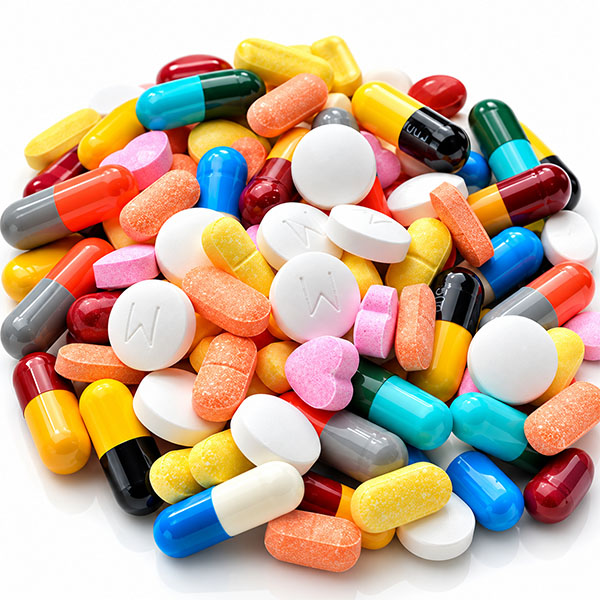
MDMA is a synthetic psychoactive compound that has both stimulant and entactogenic properties. The term “ecstasy” is commonly used for tablets or other products marketed as MDMA, but the actual composition of these products cannot be reliably determined from appearance or branding alone.
Illicitly sold tablets and powders may contain different concentrations of MDMA or other substances, creating unpredictable risks.
Commonly Reported Effects
MDMA can affect the central nervous system and may produce:
- Increased energy and alertness
- Altered mood
- Feelings of emotional closeness
- Increased sociability
- Changes in sensory perception
- Increased heart rate and body temperature
- Reduced appetite
- Jaw clenching or muscle tension
Effects vary according to the substance’s composition, individual health, environmental conditions, and potential interactions with other substances.
Pharmacological Profile
Substance Name
3,4-Methylenedioxymethamphetamine.
Common Name
MDMA.
Common Street Name
Ecstasy. Other names may include molly, although street terminology does not guarantee a particular chemical composition.
Pharmacological Classification
Psychoactive amphetamine-related compound with stimulant and entactogenic properties.
Mechanism of Action
MDMA influences neurotransmitter signaling, particularly involving serotonin, dopamine, and norepinephrine.
It promotes the release and alters the activity of these neurotransmitters, contributing to its psychological and physiological effects.
Potential Risks and Adverse Effects
MDMA can produce serious adverse effects, particularly when the substance’s strength, purity, or composition is unknown.
Potential adverse effects include:
- Increased heart rate
- Elevated blood pressure
- Increased body temperature
- Anxiety or panic
- Confusion
- Nausea
- Muscle tension and jaw clenching
- Sleep disturbance
- Dehydration
- Electrolyte imbalance
- Seizures
- Cardiovascular complications
- Serotonin toxicity
- Loss of consciousness
Hyperthermia
A dangerous increase in body temperature can occur, particularly in hot environments or during prolonged physical activity. Severe hyperthermia can cause organ damage and may be life-threatening.
Serotonin Toxicity
MDMA affects serotonin signaling. Combining it with other substances that increase serotonin activity may increase the risk of serotonin toxicity, a potentially serious medical emergency.
Uncertain Product Composition
Products sold as ecstasy may contain substances other than MDMA. The appearance, color, logo, or claimed source of a tablet does not reliably establish its contents or safety.
Medical and Scientific Research
MDMA has been studied in several scientific fields, including:
- Neuropharmacology
- Serotonin signaling
- Psychoactive substance effects
- Neurotransmitter release
- Mental health research
- Substance use and dependence research
Research involving MDMA is conducted under specific ethical, legal, and regulatory requirements. Research findings do not mean that non-prescribed or unregulated use is safe.
Product Information
| Attribute | Details |
|---|---|
| Common Name | Ecstasy |
| Chemical Name | 3,4-Methylenedioxymethamphetamine |
| Abbreviation | MDMA |
| Substance Category | Psychoactive synthetic compound |
| Pharmacological Effects | Stimulant and entactogenic effects |
| Composition | May vary in illicitly sold products |
| Legal Status | Controlled or restricted in many jurisdictions |
| Pharmaceutical Status | Not an approved general-purpose medicine |
| Documentation | Must be evaluated through authorized scientific or regulatory sources |
Safety and Emergency Considerations
If someone who may have taken MDMA develops any of the following symptoms, seek emergency medical assistance immediately:
- Very high body temperature
- Severe confusion or agitation
- Seizures
- Chest pain
- Difficulty breathing
- Fainting or loss of consciousness
- Severe muscle rigidity
- Signs of a serious medical emergency
Do not leave an unconscious or seriously unwell person alone. Provide emergency responders with accurate information about any substances that may have been taken.
Frequently Asked Questions
What is ecstasy?
Ecstasy is a common name for products marketed as MDMA, a synthetic psychoactive substance. Products sold under this name may contain other substances or unknown ingredients.
Is ecstasy the same as MDMA?
The terms are often used interchangeably, but a product sold as ecstasy is not guaranteed to contain MDMA or a consistent amount of it.
Is MDMA a prescription medicine?
MDMA is not an approved general-purpose prescription medicine. Its legal status and permitted research uses vary by jurisdiction.
What are the main effects of MDMA?
MDMA can produce stimulant and mood-altering effects, including increased energy, changes in emotional experience, and altered sensory perception.
Can MDMA cause serious harm?
Yes. Risks include hyperthermia, cardiovascular complications, serotonin toxicity, seizures, and other potentially life-threatening effects.
Can ecstasy tablets contain other substances?
Yes. Illicitly sold products may contain other psychoactive compounds, adulterants, or different concentrations of the claimed substance.
Important Disclaimer
This information is provided for general educational and scientific purposes. Ecstasy and MDMA may be subject to controlled-substance laws and are associated with potentially serious health risks.
This content is not a product promotion, medical recommendation, or guidance for purchasing, preparing, dosing, or using MDMA. For medical or emergency concerns, consult an appropriately qualified healthcare professional or contact emergency services.

There are no reviews yet.