


Rybelsus (Semaglutide) – Pharmaceutical Product Information
Product Description
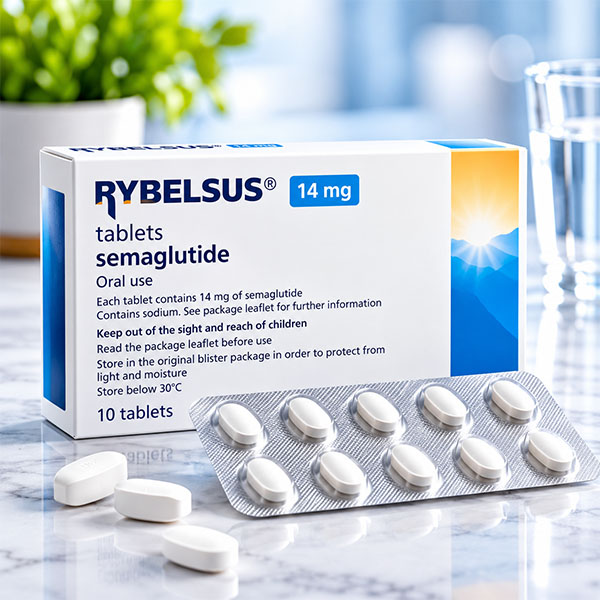
Rybelsus (Semaglutide) is a prescription medicine containing semaglutide, an oral glucagon-like peptide-1 (GLP-1) receptor agonist. It is used alongside diet and exercise to improve blood glucose control in eligible adults with type 2 diabetes.
Unlike injectable semaglutide products, Rybelsus is administered orally as a tablet. It works by activating GLP-1 receptors involved in glucose regulation, insulin secretion, glucagon release, and gastrointestinal function.
Rybelsus should be used only under the supervision of a qualified healthcare professional.
What Is Rybelsus?
Rybelsus is an oral prescription medicine containing semaglutide. It is used to improve blood glucose control in adults with type 2 diabetes, together with diet and exercise.
Rybelsus belongs to the GLP-1 receptor agonist class. It supports blood glucose regulation by increasing insulin secretion when glucose levels are elevated and reducing glucagon secretion when appropriate.
Rybelsus is not intended to treat type 1 diabetes or diabetic ketoacidosis.
Key Product Information
| Product Detail | Information |
|---|---|
| Product Name | Rybelsus |
| Active Ingredient | Semaglutide |
| Drug Class | GLP-1 receptor agonist |
| Dosage Form | Oral tablet |
| Route of Administration | Oral |
| Primary Use | Type 2 diabetes management |
| Administration Frequency | Once daily |
| Prescription Status | Prescription medicine |
| Therapeutic Area | Endocrinology and metabolic health |
| Main Action | Supports glucose regulation and insulin response |
Mechanism of Action
Semaglutide acts similarly to the naturally occurring GLP-1 hormone. It activates GLP-1 receptors that help regulate blood glucose and gastrointestinal activity.
Its effects may include:
-
Increased insulin secretion: Supports insulin release when blood glucose is elevated.
-
Reduced glucagon secretion: May reduce inappropriate glucose production by the liver.
-
Delayed gastric emptying: Slows the movement of food from the stomach.
-
Appetite regulation: May reduce appetite and food intake in some individuals.
-
Improved glucose control: Supports blood glucose management when combined with diet and exercise.
The clinical response varies depending on the individual’s medical condition, treatment adherence, and other factors.
Medical Uses
Rybelsus may be prescribed for:
-
Improving blood glucose control in adults with type 2 diabetes.
-
Supporting diabetes management alongside diet and exercise.
-
Helping reduce blood glucose and HbA1c levels.
-
Supporting metabolic management under appropriate medical supervision.
Approved indications may differ depending on the country and applicable regulatory product information.
Potential Benefits
When appropriately prescribed, Rybelsus may help with:
-
Improved blood glucose control.
-
Reduction in HbA1c levels.
-
Improved glucose-dependent insulin response.
-
Reduced post-meal blood glucose levels.
-
Appetite regulation in some patients.
-
Weight reduction as an associated treatment effect in some individuals.
Rybelsus is primarily a type 2 diabetes medicine. It should not be used for weight management without an appropriate medical assessment and an approved treatment indication.
Dosage and Administration
Rybelsus is taken orally once daily. The dose is generally increased gradually to help the body adjust and reduce gastrointestinal side effects.
A commonly used U.S. dosing approach is:
| Treatment Stage | General Dose Information |
|---|---|
| Initial treatment | 3 mg once daily for 30 days |
| Next stage | 7 mg once daily |
| Further adjustment | May increase to 14 mg once daily if additional blood glucose control is needed and the patient tolerates treatment |
The starting dose is used to help the body adjust and is not intended to provide full glycemic control.
How to Take Rybelsus
According to product instructions:
-
Take Rybelsus on an empty stomach when you first wake up.
-
Take it with a small amount of plain water, generally no more than 4 ounces.
-
Swallow the tablet whole.
-
Do not split, crush, or chew the tablet.
-
Wait at least 30 minutes before eating, drinking, or taking other oral medicines.
-
Follow your prescriber’s instructions regarding missed doses and dose changes.
Do not change the dose or administration schedule without medical guidance.
Common Side Effects
Common adverse effects may include:
-
Nausea
-
Abdominal pain
-
Diarrhea
-
Reduced appetite
-
Vomiting
-
Constipation
-
Indigestion
-
Bloating
Gastrointestinal side effects may be more noticeable when treatment begins or when the dose increases. Contact a healthcare professional if symptoms are severe, persistent, or cause dehydration.
Serious Warnings and Risks
1. Thyroid C-Cell Tumors
Semaglutide caused thyroid C-cell tumors in animal studies. It is not known whether this effect occurs in humans.
Rybelsus is contraindicated in individuals with a personal or family history of medullary thyroid carcinoma or Multiple Endocrine Neoplasia syndrome type 2.
2. Pancreatitis
Pancreatitis has been reported with GLP-1 receptor agonists.
Seek urgent medical attention if severe or persistent abdominal pain occurs, particularly if the pain radiates to the back or is accompanied by vomiting.
3. Hypoglycemia
The risk of low blood glucose may increase when Rybelsus is used with insulin or insulin secretagogues, including sulfonylureas.
4. Diabetic Retinopathy Complications
Patients with a history of diabetic retinopathy may require monitoring. Report new or worsening vision changes to a healthcare professional.
5. Acute Kidney Injury
Vomiting and diarrhea may cause dehydration, which can contribute to kidney problems. Patients with severe gastrointestinal symptoms may require medical assessment.
6. Gallbladder Disease
Gallstones and gallbladder inflammation may occur.
Seek medical advice if symptoms include:
-
Persistent upper abdominal pain.
-
Fever.
-
Vomiting.
-
Yellowing of the skin or eyes.
-
Unusual abdominal tenderness.
7. Severe Gastrointestinal Reactions
Rybelsus may cause gastrointestinal adverse reactions. Patients with severe gastrointestinal disease or gastroparesis should discuss treatment suitability with their healthcare provider.
8. Serious Allergic Reactions
Serious hypersensitivity reactions, including anaphylaxis and angioedema, may occur.
Seek emergency medical attention if symptoms such as breathing difficulty, facial swelling, severe rash, or faintness develop.
Drug Interactions
Rybelsus may affect the absorption of oral medicines because it can delay gastric emptying. It may also interact with medicines that affect blood glucose.
Inform your healthcare provider if you use:
-
Insulin.
-
Sulfonylureas.
-
Other diabetes medicines.
-
Oral medicines with a narrow therapeutic index.
-
Other semaglutide-containing products.
-
Other GLP-1 receptor agonists.
Rybelsus should not be combined with another semaglutide-containing product or another GLP-1 receptor agonist unless specifically directed by a qualified healthcare professional.
Contraindications and Precautions
Rybelsus is contraindicated in individuals with:
-
A personal or family history of medullary thyroid carcinoma.
-
Multiple Endocrine Neoplasia syndrome type 2.
-
A serious hypersensitivity reaction to semaglutide or any of the product’s ingredients.
Inform your healthcare provider if you have:
-
A history of pancreatitis.
-
Diabetic retinopathy.
-
Severe gastrointestinal disease.
-
Kidney disease.
-
Gallbladder problems.
-
A planned surgery or procedure involving anesthesia.
-
Pregnancy, planned pregnancy, or breastfeeding.
-
A history of serious allergic reactions to medicines.
Patients planning pregnancy should discuss semaglutide treatment with their healthcare provider. Semaglutide has a prolonged elimination period, and appropriate discontinuation planning may be required.
Storage Information
Store Rybelsus according to the manufacturer’s instructions and the specific product packaging.
General precautions include:
-
Keep the tablets in their original packaging.
-
Protect the medicine from excessive heat and moisture.
-
Store it according to the recommended temperature requirements.
-
Keep it out of the reach of children.
-
Do not use tablets that appear damaged or do not meet the product’s official quality instructions.
-
Follow the expiration date printed on the packaging.
Always follow the storage requirements for the specific product supplied to you.
Frequently Asked Questions
1. What is Rybelsus used for?
Rybelsus is used alongside diet and exercise to improve blood glucose control in adults with type 2 diabetes.
2. What is the active ingredient in Rybelsus?
The active ingredient is semaglutide, an oral GLP-1 receptor agonist.
3. How is Rybelsus administered?
Rybelsus is taken orally as a tablet, generally once daily on an empty stomach according to the product instructions.
4. Can Rybelsus cause nausea?
Yes. Nausea is a commonly reported side effect. Other gastrointestinal effects may include vomiting, diarrhea, constipation, and abdominal discomfort.
5. Is Rybelsus the same as Ozempic?
Both Rybelsus and Ozempic contain semaglutide, but Rybelsus is an oral tablet and Ozempic is an injectable medicine. Their approved uses, dosing instructions, and formulations differ.
6. Can Rybelsus be used with insulin?
It may be prescribed with insulin in selected patients. Combining these medicines can increase the risk of hypoglycemia and requires medical supervision.
7. Who should not use Rybelsus?
Individuals with a personal or family history of medullary thyroid carcinoma, MEN 2, or serious hypersensitivity to semaglutide or its ingredients should not use Rybelsus. Other medical conditions require individual assessment.
8. Is Rybelsus a prescription medicine?
Yes. Rybelsus is a prescription medicine and should be used under the supervision of a qualified healthcare professional.


There are no reviews yet.