

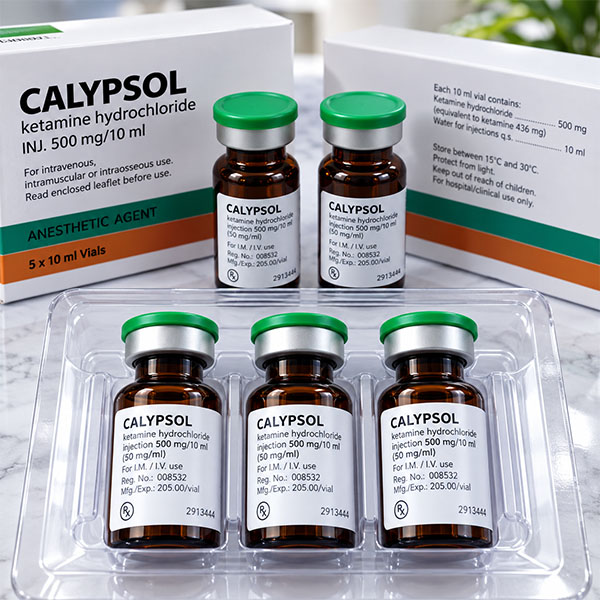

Calypsol (Ketamine Hydrochloride) – Detailed Product Description
Product Overview
Calypsol is a brand name associated with ketamine hydrochloride, a dissociative anesthetic medication used in clinical and hospital settings. Ketamine is primarily used for the induction and maintenance of anesthesia and may produce analgesic and dissociative effects.
Calypsol is listed as a ketamine hydrochloride trade name in pharmaceutical references. The availability and approved indications of the product vary by country and manufacturer.
Ketamine is a potent medication that requires appropriate clinical monitoring because it can affect consciousness, breathing, blood pressure, and cardiovascular function.
Active Ingredient
Ketamine Hydrochloride
- Drug Class: Dissociative anesthetic
- Therapeutic Category: General anesthetic
- Primary Clinical Use: Induction and maintenance of anesthesia
- Route of Administration: Depends on the approved product formulation
- Brand Name: Calypsol
Calypsol is associated with ketamine hydrochloride. Confirm the exact active ingredient, strength, and formulation on the product packaging before publishing specific product details.
Uses and Indications
Ketamine hydrochloride is used in medical settings for selected anesthetic and analgesic indications.
Potential clinical uses include:
- Induction of general anesthesia.
- Maintenance of anesthesia in appropriate clinical settings.
- Procedural sedation under qualified medical supervision.
- Selected acute pain management applications under specialist supervision.
The appropriate indication depends on the patient’s condition, the formulation, the clinical setting, and applicable prescribing guidance.
How Calypsol Works
Ketamine primarily produces its anesthetic and dissociative effects through antagonism of N-methyl-D-aspartate (NMDA) receptors in the central nervous system.
Its pharmacological effects can include:
- Dissociation from the surrounding environment.
- Analgesia (reduced perception of pain).
- Sedation and anesthesia.
- Changes in sensory perception.
- Increased sympathetic activity in some patients.
Ketamine’s overall effects depend on the administered formulation, clinical circumstances, and individual patient factors.
Available Strengths and Formulations
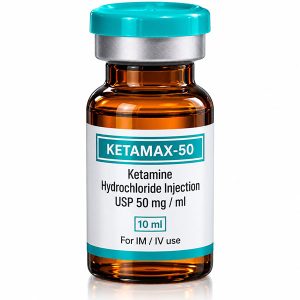
Ketamine hydrochloride is manufactured in different concentrations and formulations. The specific strength of Calypsol must be verified using the official product label.
Examples of ketamine hydrochloride formulations include:
| Formulation | Strength |
|---|---|
| Injectable solution | Varies by product |
| Ketamine hydrochloride injection | Strength varies by manufacturer |
| Other approved formulations | Depends on the market and product |
Important: Do not assume a strength or concentration without verifying the packaging. Injectable ketamine products require appropriate professional handling and administration.
Benefits and Clinical Features
- Dissociative anesthetic medication.
- Used in controlled medical and hospital environments.
- Produces anesthetic and analgesic effects.
- May be used for selected procedures under professional monitoring.
- Requires assessment of patient suitability, dosage, and potential adverse effects.
Ketamine is not an ordinary over-the-counter pain reliever and should not be used without appropriate medical supervision.
Dosage and Administration
Calypsol (ketamine hydrochloride) should be administered only by qualified healthcare professionals according to the approved product labeling and clinical requirements.
The appropriate dose and administration method depend on factors such as:
- Clinical indication.
- Patient age and body weight.
- Medical history.
- Route of administration.
- Other anesthetic or sedative medications.
- Cardiovascular and respiratory status.
Ketamine administration requires appropriate monitoring and the availability of equipment and personnel capable of managing airway and respiratory complications.
This description does not provide a patient-specific dose or self-administration instructions.
Side Effects
Ketamine may cause adverse effects that vary depending on the dose, route of administration, and patient characteristics.
Potential side effects may include:
- Nausea and vomiting.
- Dizziness.
- Increased heart rate.
- Increased blood pressure.
- Drowsiness.
- Changes in perception.
- Emergence reactions, including vivid dreams or hallucinations.
- Increased salivation.
- Temporary confusion or disorientation.
Serious adverse effects may include:
- Respiratory depression, particularly with rapid administration or combinations with other sedatives.
- Significant cardiovascular changes.
- Severe emergence reactions.
- Loss of consciousness or complications associated with anesthesia.
- Misuse, dependence, and ketamine-related urinary or bladder complications with repeated nonmedical exposure.
Patients receiving ketamine should be monitored by appropriately trained medical personnel.
Warnings and Precautions
1. Anesthesia and Respiratory Monitoring
Ketamine can affect consciousness and breathing. Appropriate airway management equipment and clinical monitoring should be available during administration.
2. Cardiovascular Effects
Ketamine can increase blood pressure and heart rate. Patients with certain cardiovascular conditions require careful medical assessment.
3. Central Nervous System Effects
Ketamine can cause dissociation, altered perception, confusion, and emergence reactions. Patients may require observation until recovery is adequate.
4. Combination with Sedatives
Combining ketamine with opioids, benzodiazepines, alcohol, or other central nervous system depressants can increase the risk of sedation, respiratory depression, and other serious complications.
5. Misuse and Dependence
Ketamine has misuse and dependence potential. Repeated nonmedical use may result in significant physical and psychological harms.
6. Urinary Tract and Liver-Related Risks
Repeated or prolonged ketamine exposure, particularly in nonmedical use, has been associated with urinary tract complications and liver or bile duct problems. Healthcare professionals should assess relevant symptoms and risk factors.
Drug Interactions
Ketamine may interact with various medicines and substances, including:
- Opioid analgesics.
- Benzodiazepines.
- Alcohol.
- Other sedative or anesthetic agents.
- Certain medicines that affect blood pressure or the central nervous system.
Inform the healthcare professional about all medicines and substances being used before ketamine administration.
Contraindications and Clinical Considerations
The suitability of ketamine depends on the approved product labeling and the patient’s clinical condition.
Healthcare professionals should evaluate:
- Known hypersensitivity to ketamine or formulation ingredients.
- Conditions in which a significant increase in blood pressure would pose a serious hazard.
- Cardiovascular and respiratory status.
- Relevant psychiatric or neurological considerations.
- Potential interactions with other anesthetic or sedative agents.
The exact contraindications and precautions must be checked in the approved local product information.
Storage Information
Store Calypsol according to the manufacturer’s instructions and the official product label.
- Keep out of reach of children and unauthorized individuals.
- Store the product under the recommended environmental conditions.
- Protect the medication from inappropriate light or temperature exposure when specified.
- Do not use expired, damaged, or compromised products.
- Injectable medications must be handled and disposed of according to applicable healthcare and pharmaceutical regulations.
Frequently Asked Questions (FAQs)
What is Calypsol used for?
Calypsol is a ketamine hydrochloride brand name associated with an anesthetic medication used in clinical settings. Ketamine is used primarily for anesthesia and selected medical applications.
Is Calypsol the same as ketamine?
Calypsol is associated with ketamine hydrochloride. Verify the specific formulation and active ingredient on the manufacturer’s label.
Is ketamine an opioid?
No. Ketamine is a dissociative anesthetic and NMDA receptor antagonist, not an opioid analgesic.
Can ketamine cause side effects?
Yes. Ketamine can cause changes in blood pressure, heart rate, perception, consciousness, and breathing. Its administration requires appropriate medical monitoring.
Can ketamine be used without medical supervision?
Ketamine should be used only in accordance with appropriate medical authorization and supervision. It can cause serious adverse effects and misuse-related harm.
Does ketamine have pain-relieving effects?
Yes. Ketamine has analgesic properties and is used in selected clinical pain-management situations. Its appropriate use depends on medical assessment and local approved indications.
Disclaimer
This product description is provided for general educational and informational purposes only. Calypsol is associated with ketamine hydrochloride, a potent anesthetic medication that requires professional supervision. This information does not replace medical advice, diagnosis, treatment, or official product labeling. Consult a qualified healthcare professional for appropriate clinical use, safety precautions, and potential drug interactions.



There are no reviews yet.