

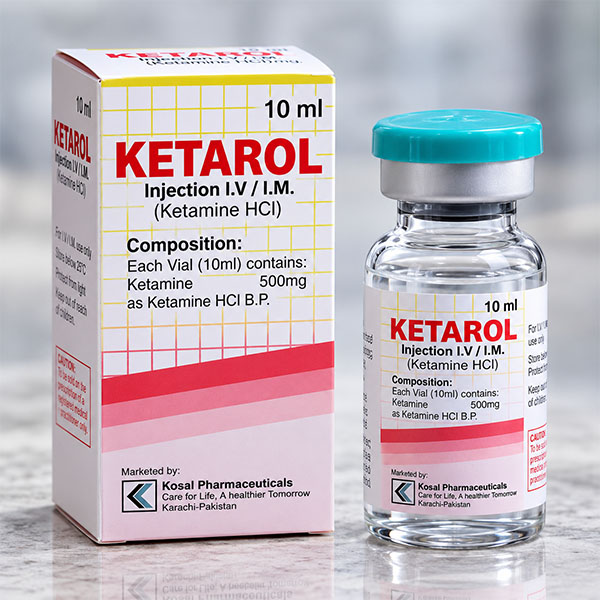
Ketarol (Ketorolac) – Detailed Product Description
Product Overview
Ketarol is a brand name used for products containing ketorolac, a non-steroidal anti-inflammatory drug (NSAID) that is used for the short-term management of moderately severe acute pain. Ketorolac works by reducing the production of prostaglandins, substances involved in pain, inflammation, and fever.
Ketorolac is available in different formulations, including oral tablets and injectable preparations, depending on the market and manufacturer. It is intended for short-term use under the supervision of a qualified healthcare professional due to the risk of gastrointestinal bleeding, kidney injury, and other serious adverse effects.
Active Ingredient
Ketorolac Tromethamine
- Drug Class: Non-steroidal anti-inflammatory drug (NSAID)
- Therapeutic Category: Analgesic / Anti-inflammatory
- Primary Use: Short-term management of moderately severe acute pain
- Formulations: Oral and injectable formulations, depending on the approved product
Ketorolac is not an opioid analgesic. It provides pain relief through inhibition of prostaglandin synthesis rather than by acting on opioid receptors.
Uses and Indications
Ketorolac is used for the short-term treatment of moderately severe acute pain, often in situations where an NSAID-based analgesic is clinically appropriate.
Potential clinical uses include:
- Short-term management of moderately severe acute pain.
- Pain management following certain surgical procedures.
- Acute pain requiring prescription-strength NSAID treatment.
- Situations where a healthcare professional determines ketorolac is appropriate as part of a pain management plan.
Ketorolac is not intended for the treatment of chronic pain or minor, everyday aches. Its approved duration and indications depend on the specific formulation and local prescribing information.
How Ketarol Works
Ketorolac inhibits cyclooxygenase (COX) enzymes, which are involved in the production of prostaglandins.
Prostaglandins contribute to pain, inflammation, and sensitization of pain receptors. By reducing prostaglandin production, ketorolac helps decrease pain and inflammation.
Unlike opioid medications, ketorolac does not provide analgesia through opioid receptor activation. However, it has significant safety risks and must be used according to medical instructions.
Available Strengths and Formulations
Ketorolac products may be available in different strengths and dosage forms. Availability varies by manufacturer and country.
Examples of formulations include:
| Formulation | Example Strength |
|---|---|
| Oral tablet | 10 mg ketorolac tromethamine |
| Injectable solution | Strength varies by approved product |
| Ophthalmic solution | Formulation and strength vary by product |
Important: Verify the strength, route of administration, and approved indication using the official product label. Do not assume that every formulation is interchangeable.
Benefits and Features
- Non-opioid analgesic medication.
- Belongs to the NSAID class.
- Helps reduce pain through prostaglandin synthesis inhibition.
- Used for short-term management of moderately severe acute pain.
- Available in different formulations depending on the product.
- Requires appropriate medical assessment due to potential serious adverse effects.
Dosage and Administration
Ketarol (ketorolac) should be used strictly according to the prescribing healthcare professional’s instructions.
Dosage and treatment duration depend on the formulation, age, kidney function, medical history, and other medications being taken.
Important administration considerations:
- Use only the prescribed dose and route.
- Do not exceed the recommended treatment duration.
- Oral ketorolac is generally used as a continuation of injectable ketorolac when clinically appropriate, not as a routine long-term pain medication.
- Do not combine ketorolac with other NSAIDs, such as ibuprofen, naproxen, or aspirin used for pain, unless specifically directed by a healthcare professional.
- Take oral medication as directed by the product label or prescribing clinician.
In the United States, the total duration of ketorolac treatment across injection and oral forms must not exceed five days. Local approved labeling may differ.
Side Effects
Ketorolac may cause side effects ranging from mild gastrointestinal symptoms to serious, potentially life-threatening complications.
Common side effects may include:
- Nausea
- Stomach discomfort
- Indigestion
- Headache
- Dizziness
- Drowsiness
- Diarrhea
- Constipation
Serious side effects may include:
- Gastrointestinal ulcers and bleeding
- Kidney injury or reduced kidney function
- Increased risk of cardiovascular events, including heart attack or stroke
- Severe allergic reactions
- Fluid retention and swelling
- Elevated blood pressure
- Liver-related adverse effects
Seek urgent medical attention for symptoms such as vomiting blood, black or tarry stools, severe abdominal pain, chest pain, difficulty breathing, or significantly reduced urine output.
Warnings and Precautions
1. Gastrointestinal Bleeding and Ulcers
Ketorolac can increase the risk of stomach or intestinal ulcers, bleeding, and perforation. The risk may be higher in older adults, people with a history of ulcers, and those taking anticoagulants or corticosteroids.
2. Kidney Function
Ketorolac can affect kidney function and may cause acute kidney injury. It is contraindicated in patients with advanced renal impairment and in situations involving significant risk of renal failure due to volume depletion, according to applicable prescribing information.
3. Cardiovascular Risk
NSAIDs may increase the risk of heart attack and stroke. Ketorolac should not be used for pain during coronary artery bypass graft (CABG) surgery.
4. Allergic Reactions
Patients with a history of asthma, urticaria, or allergic reactions after aspirin or other NSAIDs may be at increased risk of serious reactions.
5. Pregnancy
NSAID use, including ketorolac, has important pregnancy-related restrictions and risks, particularly later in pregnancy. Consult a healthcare professional before use during pregnancy or when planning pregnancy.
Drug Interactions
Ketorolac may interact with several medications and substances, including:
- Aspirin and other NSAIDs
- Anticoagulants, such as warfarin
- Antiplatelet medicines
- Corticosteroids
- ACE inhibitors and angiotensin receptor blockers
- Diuretics
- Certain medicines that affect kidney function
- Probenecid
- Lithium
- Methotrexate
Inform your healthcare professional about all prescription medications, over-the-counter drugs, and supplements before using ketorolac.
Contraindications
Ketorolac may be contraindicated in patients with certain conditions, including:
- Active or history of peptic ulcer disease or gastrointestinal bleeding.
- Significant kidney impairment or high risk of renal failure due to dehydration.
- Known hypersensitivity to ketorolac, aspirin, or other NSAIDs.
- Use in the setting of coronary artery bypass graft surgery.
- Concurrent use with other ketorolac products or NSAIDs.
- Certain bleeding disorders or high bleeding risk.
The full contraindication list depends on the product’s approved labeling and the patient’s clinical circumstances.
Storage Information
Store Ketarol according to the manufacturer’s instructions and the approved product label.
- Keep the medication out of reach of children.
- Store in the recommended temperature and environmental conditions.
- Protect the product from inappropriate exposure to light or moisture when specified.
- Do not use expired, damaged, or visibly compromised medication.
- Dispose of unused medication through an appropriate disposal or take-back program.
Frequently Asked Questions (FAQs)
What is Ketarol used for?
Ketarol, when it contains ketorolac, is used for the short-term management of moderately severe acute pain under medical supervision.
Is Ketarol an opioid?
No. Ketorolac is a non-steroidal anti-inflammatory drug (NSAID), not an opioid.
How long can ketorolac be used?
Ketorolac is intended for short-term use. In the United States, the combined duration of injection and oral treatment must not exceed five days. Always follow the applicable local product labeling and medical advice.
Can Ketarol be taken with ibuprofen?
Ketorolac should not be combined with ibuprofen or other NSAIDs unless specifically directed by a healthcare professional, because doing so increases the risk of serious adverse effects, including gastrointestinal bleeding and kidney injury.
Can ketorolac cause stomach bleeding?
Yes. Ketorolac can cause serious gastrointestinal bleeding, ulcers, or perforation, even without warning symptoms.
Is ketorolac suitable for everyone?
No. Patients with certain kidney, gastrointestinal, cardiovascular, allergic, or bleeding-related conditions may not be suitable candidates. A healthcare professional should assess the risks before treatment.
Disclaimer
This product description is intended for general informational and educational purposes only. Ketarol (if containing ketorolac) is a prescription-strength NSAID that carries significant safety risks. This information does not replace professional medical advice, diagnosis, or treatment. Always consult a qualified healthcare professional and refer to the approved product label for appropriate use, dosage, contraindications, and potential drug interactions.

There are no reviews yet.