

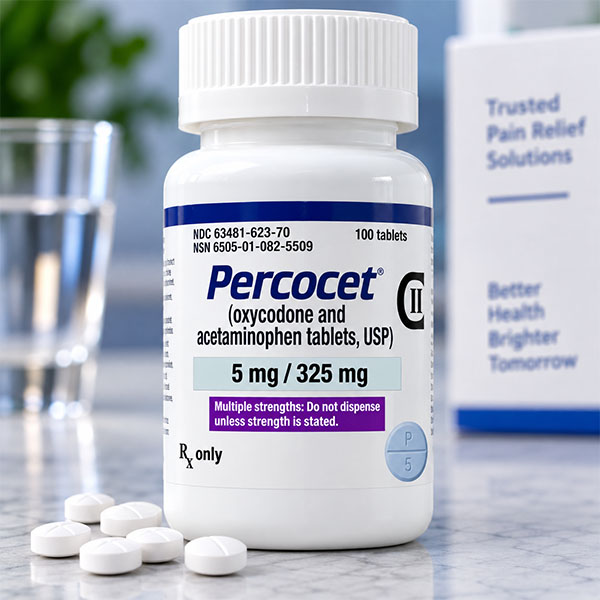
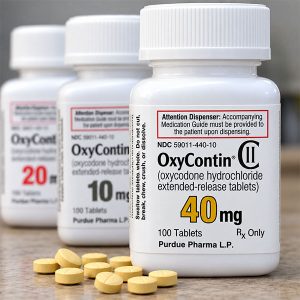
Percocet (Oxycodone and Acetaminophen)
Product Overview
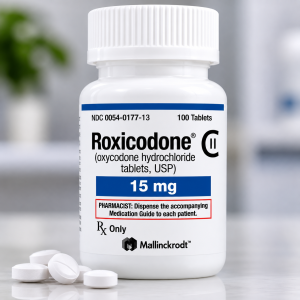
Percocet is a prescription pain-relief medication containing oxycodone hydrochloride and acetaminophen. Oxycodone is an opioid analgesic that acts on opioid receptors in the central nervous system, while acetaminophen is a non-opioid pain reliever that contributes to the overall analgesic effect.
Percocet is generally prescribed for the management of moderate to severe pain when treatment with an opioid analgesic is considered appropriate.
Because Percocet contains an opioid, it can cause respiratory depression, misuse, addiction, physical dependence, and potentially fatal overdose. It should only be used exactly as prescribed by a qualified healthcare professional.
Active Ingredients
- Oxycodone hydrochloride – opioid analgesic
- Acetaminophen – non-opioid analgesic and fever reducer
Drug Class
Opioid analgesic combination
Medical Uses
Percocet may be prescribed for:
- Moderate to severe acute pain
- Post-operative pain
- Injury-related pain
- Other significant pain conditions when an opioid is medically appropriate
Treatment should be individualized according to the patient’s condition and medical history.
How Percocet Works
Oxycodone
Oxycodone acts primarily on mu-opioid receptors in the central nervous system. Activation of these receptors changes how the brain and nervous system perceive and respond to pain.
Acetaminophen
Acetaminophen provides additional analgesic and antipyretic effects through mechanisms involving the central nervous system.
Together, these ingredients provide pain relief through complementary mechanisms.
Common Side Effects
Possible side effects include:
- Drowsiness
- Dizziness
- Nausea
- Vomiting
- Constipation
- Headache
- Itching
- Dry mouth
- Lightheadedness
- Sleepiness
Some people may experience impaired concentration or slower reaction times.
Serious Side Effects
Seek urgent medical attention for symptoms such as:
- Extremely slow or difficult breathing
- Severe or unusual sleepiness
- Inability to wake or respond normally
- Loss of consciousness
- Severe allergic reaction
- Swelling of the face, lips, tongue, or throat
- Severe confusion
Opioid-related respiratory depression can be life-threatening.
Addiction, Misuse, and Dependence
Percocet contains oxycodone, an opioid with the potential for misuse, addiction, and physical dependence.
Physical dependence can develop with repeated use. Withdrawal symptoms may occur when regular opioid treatment is suddenly discontinued.
Percocet should never be shared with another person, even if that person has similar symptoms.
Important Acetaminophen Warning
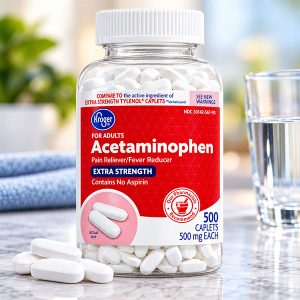
Percocet contains acetaminophen. Taking additional medicines containing acetaminophen at the same time can unintentionally result in excessive total acetaminophen exposure.
Excessive acetaminophen can cause severe liver damage.
Always check the ingredients of other prescription and over-the-counter medicines and follow the instructions provided by your healthcare professional.
Alcohol and Sedative Medicines
Alcohol, benzodiazepines, sleeping medicines, and other central nervous system depressants can increase the effects of oxycodone.
Combining opioids with other sedating substances can cause profound sedation, respiratory depression, coma, or death.
Driving and Operating Machinery
Percocet may cause drowsiness, dizziness, impaired judgment, and slower reaction times. Do not drive or operate machinery until you know how the medication affects you and your healthcare professional confirms that it is appropriate.
Drug Interactions
Percocet may interact with:
- Benzodiazepines
- Other opioid medicines
- Sleeping medicines
- Alcohol
- Other central nervous system depressants
- Certain antidepressants and other serotonergic medicines
- Medicines that affect liver enzymes
- Other products containing acetaminophen
Provide your healthcare professional with a complete list of medicines, supplements, and other substances you use.
Precautions
Before taking Percocet, tell your healthcare professional if you have:
- Breathing problems
- Asthma or chronic respiratory disease
- Liver disease
- Kidney problems
- A history of substance-use disorder
- A history of opioid dependence
- Head injury or increased intracranial pressure
- Gallbladder or pancreatic problems
- Sleep-related breathing disorders
Extra caution may be necessary in older adults and people taking other sedating medicines.
Pregnancy and Breastfeeding
Oxycodone can cross the placenta and may affect a developing fetus. Repeated opioid exposure during pregnancy can also result in neonatal opioid withdrawal.
Oxycodone can pass into breast milk and may cause serious effects in a breastfed infant.
Pregnant or breastfeeding individuals should discuss Percocet use with a qualified healthcare professional.
Storage and Safe Handling
Keep Percocet in a secure location away from children, visitors, and anyone for whom it was not prescribed.
Follow the storage instructions provided with the product. Do not share prescription opioid medication.
Missed Dose
If Percocet is being taken according to a regular prescription schedule and a dose is missed, follow the prescribing clinician’s or pharmacist’s instructions. Do not take extra medication to compensate for a missed dose unless specifically instructed.
Overdose
An overdose of Percocet can cause:
- Severe sleepiness
- Slow or stopped breathing
- Extreme weakness
- Unresponsiveness
- Loss of consciousness
- Liver injury due to excessive acetaminophen exposure
An opioid overdose is a medical emergency. If an overdose is suspected, seek emergency medical assistance immediately. Naloxone, when available and appropriate, can reverse opioid-induced respiratory depression, but emergency medical care is still required.
Frequently Asked Questions
What is Percocet?
Percocet is a prescription medication containing oxycodone and acetaminophen. It is used for the treatment of moderate to severe pain when an opioid analgesic is appropriate.
What are the active ingredients in Percocet?
Percocet contains oxycodone hydrochloride and acetaminophen.
Is Percocet an opioid?
Yes. The oxycodone component is an opioid analgesic.
Can Percocet cause dependence?
Yes. Repeated opioid use can result in physical dependence, tolerance, and addiction.
Can Percocet be taken with alcohol?
Alcohol can dangerously increase opioid-related sedation and respiratory depression. Avoid combining them unless specifically directed by a healthcare professional.
Can Percocet be taken with Klonopin?
Both medications can depress the central nervous system. Combining an opioid such as oxycodone with clonazepam can substantially increase the risk of severe sedation and respiratory depression and should only occur under careful medical supervision.
Does Percocet contain acetaminophen?
Yes. This is important because taking other acetaminophen-containing products at the same time can increase the risk of liver damage.
Important Disclaimer
This information is for educational purposes only and does not replace professional medical advice, diagnosis, or treatment. Percocet is a prescription opioid medication and should only be taken exactly as prescribed by a qualified healthcare professional. Do not share, misuse, or combine it with alcohol or other sedating substances without medical guidance.

There are no reviews yet.