

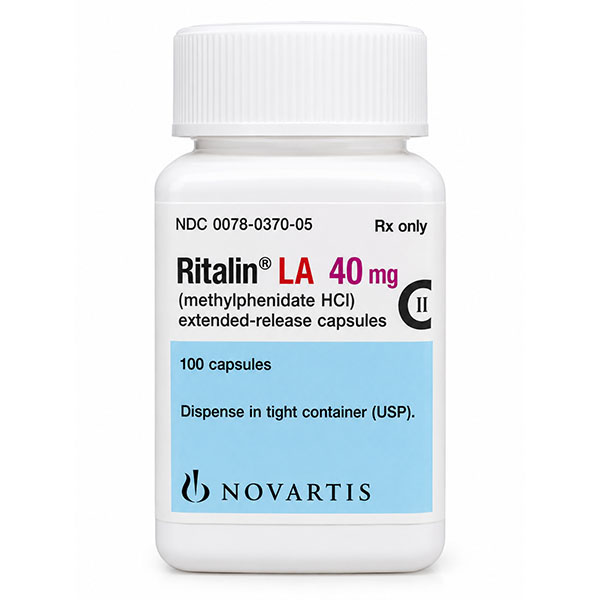
Ritalin (Methylphenidate)
Product Overview
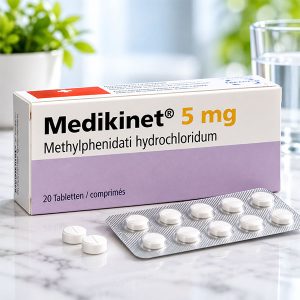
Ritalin is a prescription medicine containing methylphenidate hydrochloride, a central nervous system stimulant. It is primarily used as part of a comprehensive treatment program for Attention-Deficit/Hyperactivity Disorder (ADHD) and may also be prescribed for certain other conditions, depending on the patient’s medical needs.
Methylphenidate affects specific chemical signaling pathways in the brain and can improve attention, concentration, and behavioral control in people with ADHD.
Because methylphenidate is a controlled prescription stimulant with potential for misuse, abuse, and dependence, it should only be used under the supervision of a qualified healthcare professional.
Active Ingredient
Methylphenidate hydrochloride
Drug Class
Central nervous system stimulant
Medical Uses
Ritalin may be prescribed for:
- Attention-Deficit/Hyperactivity Disorder (ADHD)
- Certain other medical conditions when specifically determined appropriate by a healthcare professional
For ADHD, medication is generally used as part of a broader treatment plan that may include behavioral, educational, and psychological support.
How Ritalin Works
Methylphenidate affects neurotransmitter activity in the brain, particularly dopamine and norepinephrine. It increases their availability in certain areas of the central nervous system, which can help improve attention and reduce impulsivity and hyperactivity in individuals with ADHD.
Common Side Effects
Possible side effects of methylphenidate include:
- Decreased appetite
- Difficulty sleeping
- Headache
- Stomach discomfort
- Nausea
- Dry mouth
- Nervousness
- Increased heart rate
- Increased blood pressure
- Irritability
- Dizziness
Side effects can vary depending on the formulation and individual response.
Serious Side Effects
Seek prompt medical attention if symptoms such as the following occur:
- Chest pain
- Fainting
- Significant shortness of breath
- Severe or unusual changes in mood or behavior
- Hallucinations or other severe psychiatric symptoms
- Seizures
- Severe allergic reaction
Misuse, Abuse, and Dependence
Methylphenidate is a controlled prescription stimulant and can be misused or abused. Misuse may increase the risk of serious cardiovascular and psychiatric effects.
Taking the medicine in a way other than prescribed can increase the risk of dependence and overdose.
Do not share Ritalin with another person, even if they have similar symptoms.
Cardiovascular Precautions
Stimulant medicines can increase blood pressure and heart rate. Before treatment, healthcare professionals may consider a patient’s cardiovascular history and other risk factors.
Tell your healthcare professional about any history of:
- Heart disease
- High blood pressure
- Fainting
- Abnormal heart rhythm
- Structural heart abnormalities
- Sudden cardiac death in close relatives
Psychiatric Precautions
Methylphenidate can occasionally cause or worsen psychiatric symptoms, particularly in susceptible individuals.
Tell your healthcare professional about any history of:
- Severe anxiety
- Bipolar disorder
- Psychosis
- Depression
- Aggressive behavior
- Other significant psychiatric conditions
Growth and Appetite
Children and adolescents taking stimulant medicines may experience decreased appetite or changes in weight and growth. Healthcare professionals may monitor height, weight, and overall development during treatment.
Drug Interactions
Ritalin may interact with various medicines, including:
- Monoamine oxidase inhibitors (MAOIs)
- Certain blood-pressure medicines
- Other stimulant medications
- Some psychiatric medicines
- Medicines affecting the central nervous system
Always provide your healthcare professional with a complete list of prescription medicines, over-the-counter products, and supplements.
Alcohol and Other Substances
Alcohol and other substances may alter the effects or side-effect profile of methylphenidate. Discuss alcohol use and other substances with your healthcare professional.
Driving and Operating Machinery
Ritalin may affect alertness, concentration, or coordination in some individuals. Avoid driving or operating machinery until you know how the medicine affects you.
Pregnancy and Breastfeeding
Methylphenidate may have potential risks during pregnancy and can pass into breast milk. Anyone who is pregnant, planning pregnancy, or breastfeeding should discuss treatment with a healthcare professional.
Storage and Safe Handling
Store Ritalin according to the manufacturer’s instructions and keep it in a secure location away from children and anyone for whom it was not prescribed.
Because methylphenidate is a controlled prescription medicine, it should be stored and handled responsibly.
Missed Dose
If a dose is missed, follow the instructions provided by your prescribing healthcare professional or pharmacist. Do not take additional medication to compensate for a missed dose unless specifically instructed.
Overdose
An overdose of methylphenidate can be dangerous and may cause symptoms such as:
- Agitation
- Tremors
- Confusion
- Rapid heartbeat
- High blood pressure
- Severe restlessness
- Vomiting
- Seizures
- Loss of consciousness
Suspected overdose requires immediate medical evaluation.
Frequently Asked Questions
What is Ritalin?
Ritalin is a brand name for methylphenidate, a prescription central nervous system stimulant commonly used in the treatment of ADHD.
What is the active ingredient in Ritalin?
The active ingredient is methylphenidate hydrochloride.
Is Ritalin a stimulant?
Yes. Methylphenidate is a central nervous system stimulant.
What is Ritalin commonly used for?
It is commonly prescribed as part of a comprehensive treatment program for ADHD.
Can Ritalin cause dependence?
Yes. Methylphenidate has potential for misuse, abuse, and dependence, which is why it should only be used as prescribed.
Can Ritalin affect sleep?
Yes. Difficulty sleeping or insomnia can occur, particularly depending on the formulation and timing of administration.
Can Ritalin affect appetite?
Yes. Decreased appetite is a commonly reported side effect and may be particularly relevant in children and adolescents.

There are no reviews yet.