


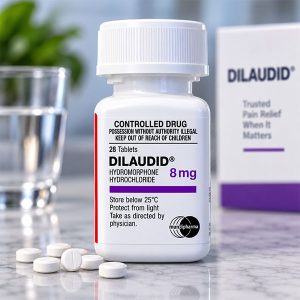
Hydrocodone
Hydrocodone is a prescription opioid medication used primarily for the management of pain when an opioid analgesic is medically appropriate. It is a semi-synthetic opioid that acts primarily on mu-opioid receptors in the central nervous system to reduce the perception and response to pain.
Hydrocodone is available in different formulations and may be combined with other active ingredients, such as acetaminophen, depending on the specific product. Because hydrocodone can cause respiratory depression, misuse, addiction, and physical dependence, it should be used only under the direction and supervision of a qualified healthcare professional.
Product Details
| Product Attribute | Details |
|---|---|
| Generic Name | Hydrocodone |
| Drug Class | Opioid Analgesic |
| Active Ingredient | Hydrocodone |
| Primary Medical Use | Pain management |
| Drug Type | Opioid agonist |
| Available Forms | Tablets, capsules, oral solutions and other formulations depending on product |
| Combination Products | May be combined with acetaminophen or other ingredients |
| Route of Administration | Oral for many formulations |
| Prescription Status | Prescription-controlled medication |
| Medical Supervision | Required |
How Hydrocodone Works
Hydrocodone binds primarily to mu-opioid receptors in the central nervous system. This changes the transmission and perception of pain signals and produces analgesic effects.
Because opioid receptors are also involved in breathing, alertness, gastrointestinal activity, and other body functions, hydrocodone can cause effects such as drowsiness, constipation, and respiratory depression.
Medical Uses
Hydrocodone may be prescribed for the management of pain when a healthcare professional determines that opioid treatment is appropriate.
Depending on the formulation, hydrocodone products may be used for:
- Management of moderate to severe pain
- Short-term or longer-term pain management when clinically appropriate
- Pain requiring an opioid analgesic after other treatment options are considered inadequate
The indication and duration of treatment depend on the specific hydrocodone formulation.
Combination Products
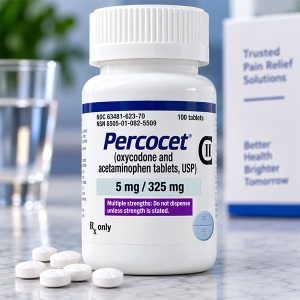
Some hydrocodone medicines contain hydrocodone together with another analgesic, most commonly acetaminophen.
When using a combination product containing acetaminophen, patients should avoid taking additional acetaminophen-containing medicines unless advised by a healthcare professional. Excessive acetaminophen intake can cause serious liver injury.
Common Side Effects
Possible side effects of hydrocodone include:
- Drowsiness
- Dizziness
- Nausea
- Vomiting
- Constipation
- Dry mouth
- Headache
- Itching
- Sweating
- Sedation
- Low blood pressure
Side effects may be more noticeable when treatment begins or when the prescribed dose is changed.
Serious Safety Information
Hydrocodone can cause serious or life-threatening respiratory depression.
The risk may be increased when starting treatment, after increasing the dose, in people with certain breathing conditions, or when hydrocodone is combined with other central nervous system depressants.
Seek emergency medical attention for:
- Very slow or shallow breathing
- Difficulty breathing
- Extreme sleepiness
- Inability to wake up
- Loss of consciousness
- Severe confusion
- Bluish or gray lips or skin
Misuse, Addiction, and Dependence
Hydrocodone has the potential for misuse, opioid use disorder, addiction, and physical dependence.
Physical dependence can develop with regular use, even when the medication is taken according to a prescription.
Stopping regular opioid treatment suddenly may result in withdrawal symptoms. A healthcare professional should determine how treatment should be reduced or discontinued.
Drug Interactions
Hydrocodone can interact with numerous medications and substances.
Important interactions include:
- Alcohol
- Benzodiazepines
- Other opioid medications
- Sedative or sleep medicines
- Certain muscle relaxants
- Other central nervous system depressants
Combining hydrocodone with alcohol, benzodiazepines, or other CNS depressants can substantially increase the risk of profound sedation, respiratory depression, coma, and death.
Important Precautions
Before taking hydrocodone, patients should inform their healthcare provider about their medical history, particularly if they have:
- Asthma or other respiratory problems
- Sleep apnea
- Chronic lung disease
- Liver disease
- Kidney disease
- Head injury
- Low blood pressure
- Gastrointestinal obstruction
- A history of substance-use disorder
Patients should also tell their healthcare professional about all prescription medicines, over-the-counter medicines, vitamins, and supplements they use.
Pregnancy and Breastfeeding
Hydrocodone may affect pregnancy and breastfeeding. Individuals who are pregnant, planning pregnancy, or breastfeeding should discuss opioid use with their healthcare professional.
Long-term opioid exposure during pregnancy may cause neonatal opioid withdrawal syndrome (NOWS) in a newborn.
Safe Use
Hydrocodone should be taken exactly as prescribed.
Do not:
- Take more than the prescribed amount
- Take it more frequently than prescribed
- Share it with another person
- Combine it with alcohol without medical advice
- Change the formulation or method of administration
- Stop regular treatment suddenly without medical guidance
Patients should exercise caution when driving or operating machinery because hydrocodone can impair alertness and coordination.
Storage
Store hydrocodone according to the manufacturer’s instructions and applicable controlled-medication requirements.
Keep the medication securely stored and away from children and unauthorized individuals.
Unused opioid medication should be disposed of using appropriate medication-disposal procedures.
Frequently Asked Questions
What is hydrocodone?
Hydrocodone is a prescription opioid medication primarily used for pain management.
Is hydrocodone an opioid?
Yes. Hydrocodone is a semi-synthetic opioid analgesic.
What is hydrocodone used for?
Depending on the formulation, it is prescribed for moderate to severe pain when an opioid is considered medically appropriate.
Can hydrocodone cause dependence?
Yes. Regular use can result in physical dependence and the medication carries a risk of misuse and addiction.
Can hydrocodone be taken with alcohol?
Combining hydrocodone with alcohol can dangerously increase sedation and respiratory depression and should be avoided.
Can hydrocodone be combined with benzodiazepines?
The combination can significantly increase the risk of severe sedation and respiratory depression. It should only be used together when specifically managed by a healthcare professional.
What if the hydrocodone product contains acetaminophen?
Patients should be careful not to take additional acetaminophen-containing medicines unless advised by a healthcare professional, because excessive acetaminophen can cause serious liver injury.
Disclaimer
This information is provided for educational purposes only and does not replace professional medical advice, diagnosis, or treatment. Hydrocodone is a prescription opioid medication with risks including respiratory depression, misuse, addiction, and physical dependence. It should only be used under appropriate medical supervision and exactly as prescribed by a qualified healthcare professional.








There are no reviews yet.