

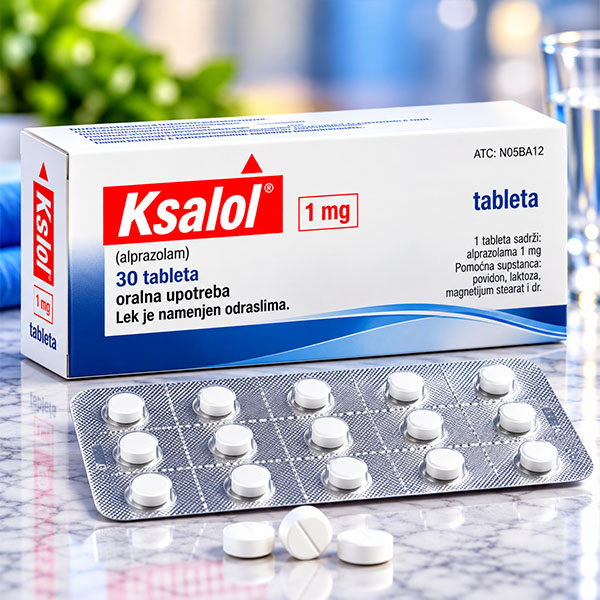
Ksalol (Alprazolam) – Full Product Description
Ksalol (Alprazolam) is a prescription benzodiazepine medication used for the management of certain anxiety and panic disorders. It works by enhancing the activity of gamma-aminobutyric acid (GABA), an inhibitory neurotransmitter in the central nervous system, helping reduce excessive neuronal activity and promote a calming effect.
Alprazolam can cause drowsiness, impaired coordination, physical dependence, and withdrawal symptoms. It may also cause life-threatening respiratory depression when combined with opioids or other central nervous system depressants. Use should be guided by a qualified healthcare professional and the approved product information.
What Is Ksalol (Alprazolam)?
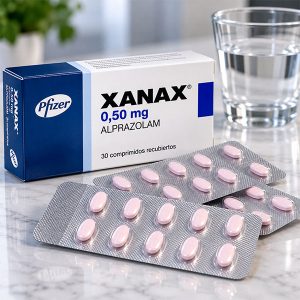
Ksalol is a brand of alprazolam, a short- to intermediate-acting benzodiazepine. Alprazolam is prescribed in certain markets for the treatment of generalized anxiety disorder and panic disorder.
It acts on GABA-A receptor complexes in the brain, enhancing inhibitory neurotransmission. This can produce anxiolytic (anxiety-reducing), sedative, muscle-relaxant, and anticonvulsant effects.
Ksalol is a controlled prescription medication in many jurisdictions because of its potential for misuse, dependence, and withdrawal.
Key Product Information
| Product Attribute | Details |
|---|---|
| Brand Name | Ksalol |
| Generic Name | Alprazolam |
| Drug Class | Benzodiazepine |
| Primary Uses | Anxiety and Panic Disorder Treatment |
| Mechanism | GABA-A Receptor Positive Allosteric Modulation |
| Therapeutic Category | Anxiolytic Medication |
| Available Forms | Oral Tablets, depending on market |
| Common Strengths | 0.25 mg, 0.5 mg, 1 mg, and 2 mg, depending on product |
| Administration | Oral |
| Prescription Status | Controlled Prescription Medication |
| Manufacturer | Varies by product and market |
Strengths, formulation availability, and approved indications may vary by country.
Medical Uses of Ksalol
Ksalol (alprazolam) may be prescribed for certain anxiety-related conditions under medical supervision.
Potential clinical uses include:
-
Treatment of generalized anxiety disorder.
-
Management of panic disorder in appropriate patients.
-
Short-term relief of severe anxiety symptoms when clinically indicated.
-
Supportive treatment based on an individualized medical assessment.
The duration of treatment should be carefully considered because long-term use may increase the risk of tolerance, dependence, and withdrawal.
How Does Ksalol Work?
Alprazolam enhances the effects of GABA, an inhibitory neurotransmitter in the central nervous system.
Mechanism of Action
-
Alprazolam binds to a specific site on the GABA-A receptor complex.
-
It increases the effects of GABA-mediated inhibitory signaling.
-
Neuronal excitability is reduced.
-
This produces calming, anxiolytic, and sedative effects.
The same central nervous system activity that supports anxiety relief can also cause drowsiness, impaired judgment, and respiratory depression when combined with other depressant substances.
Therapeutic Benefits
When prescribed appropriately, Ksalol may help:
-
Reduce symptoms of anxiety.
-
Manage episodes of panic in appropriate clinical settings.
-
Decrease excessive central nervous system arousal.
-
Improve functioning in some patients with diagnosed anxiety-related conditions.
Treatment effectiveness and tolerability vary between individuals. A healthcare professional should periodically review the ongoing need for therapy.
Dosage and Administration
Alprazolam dosage must be determined by a qualified healthcare professional based on the diagnosis, age, medical history, treatment response, and other medications.
General prescribing considerations:
-
Take Ksalol only as prescribed.
-
Do not increase the dose or frequency without medical guidance.
-
Avoid taking additional doses to manage symptoms without consulting your prescriber.
-
Do not combine alprazolam with alcohol, opioids, or other sedative medicines without explicit medical direction.
-
Do not discontinue regular or prolonged treatment abruptly, as withdrawal may be serious or life-threatening.
Important: Dosage recommendations differ depending on the indication and patient factors. Follow the specific approved product labeling.
Common Side Effects
Ksalol (alprazolam) may cause side effects, including:
-
Drowsiness.
-
Dizziness.
-
Fatigue.
-
Impaired coordination.
-
Reduced concentration.
-
Memory difficulties.
-
Slurred speech.
-
Muscle weakness.
Side effects may be more pronounced when treatment begins, after dose increases, or when combined with other sedative substances.
Serious Side Effects and Safety Warnings
1. Respiratory Depression
Alprazolam can cause serious or fatal respiratory depression, especially when combined with opioids, alcohol, or other central nervous system depressants.
Seek emergency medical assistance if someone experiences:
-
Slow, shallow, or difficult breathing.
-
Extreme sleepiness or inability to wake.
-
Loss of consciousness.
-
Blue or gray discoloration of the lips or skin.
2. Dependence and Withdrawal
Regular alprazolam use can cause physical dependence, even when taken as prescribed. Withdrawal after prolonged use or abrupt discontinuation may include:
-
Anxiety and agitation.
-
Insomnia.
-
Tremors.
-
Sweating.
-
Irritability.
-
Seizures in severe cases.
A qualified healthcare professional should guide any reduction or discontinuation plan.
3. Cognitive and Psychomotor Impairment
Alprazolam can affect memory, attention, reaction time, and coordination. Avoid driving or operating machinery if you are affected by the medication.
4. Paradoxical Reactions
Some individuals may experience unusual reactions, including agitation, aggression, restlessness, or disinhibition. Contact a healthcare professional if unexpected behavioral changes occur.
Drug Interactions
Ksalol may interact with other medications and substances that affect the central nervous system or alter alprazolam metabolism.
| Substance or Medicine | Potential Concern |
|---|---|
| Alcohol | Increased sedation and respiratory depression |
| Opioids | Increased risk of profound sedation, respiratory depression, coma, and death |
| Other Benzodiazepines | Additive sedation and impairment |
| Sedative-Hypnotics | Increased central nervous system depression |
| Strong CYP3A4 Inhibitors | May significantly increase alprazolam exposure |
| Other CNS Depressants | Increased risk of impaired consciousness and breathing |
Do not combine Ksalol with alcohol or opioids unless specifically directed and closely monitored by a qualified healthcare professional.
Inform your healthcare provider about all prescription medicines, over-the-counter products, and supplements you use.
Contraindications and Precautions
Alprazolam may not be appropriate for individuals with certain medical conditions.
Tell your healthcare professional if you have:
-
Severe respiratory disease or sleep apnea.
-
Significant liver impairment.
-
A history of substance use disorder.
-
A history of depression or other mental health conditions.
-
Pregnancy or breastfeeding considerations.
-
Allergies to benzodiazepines.
-
A history of falls or significant sedation.
Older adults may be more susceptible to confusion, impaired coordination, and falls.
Storage and Handling
Store Ksalol according to the manufacturer’s instructions and applicable controlled-medication requirements.
-
Keep the medicine in its original packaging.
-
Store it securely and away from unauthorized access.
-
Keep out of reach of children.
-
Do not share prescription medication.
-
Dispose of unused medication according to local pharmaceutical disposal guidelines.
Frequently Asked Questions (FAQs)
What is Ksalol used for?
Ksalol contains alprazolam, a benzodiazepine used in certain countries for the treatment of anxiety and panic disorders under medical supervision.
Is Ksalol the same as Alprazolam?
Yes. Ksalol is a brand associated with alprazolam. The exact formulation and approved product information should be verified for the relevant market.
Can Ksalol cause dependence?
Yes. Alprazolam can cause physical dependence, tolerance, and misuse or addiction in some individuals.
Can Ksalol be taken with alcohol?
Combining alprazolam with alcohol is unsafe and can increase the risk of severe sedation, respiratory depression, overdose, and death.
What are the common side effects of Ksalol?
Common side effects include drowsiness, dizziness, fatigue, impaired coordination, and memory difficulties.
Can Ksalol be stopped suddenly?
Abrupt discontinuation after regular use may cause serious withdrawal symptoms, including seizures. A healthcare professional should guide any discontinuation plan.
Is Ksalol a sleeping pill?
Ksalol is primarily an anxiolytic benzodiazepine. It can cause sedation and sleepiness, but it should not be used as a sleep medicine unless specifically prescribed for an appropriate clinical reason.





There are no reviews yet.