


Roxicodone (Oxycodone)
Product Overview
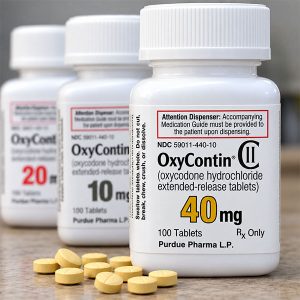
Roxicodone is a brand name associated with oxycodone hydrochloride, a prescription opioid analgesic used for the management of pain severe enough to require an opioid when alternative treatment options are inadequate.
Oxycodone works primarily through opioid receptors in the central nervous system to reduce the perception and emotional response to pain.
Because oxycodone is a potent opioid, it carries important risks including respiratory depression, misuse, addiction, physical dependence, overdose, and death. It should be used only under the direction and supervision of a qualified healthcare professional.
Active Ingredient
Oxycodone hydrochloride
Drug Class
Opioid analgesic
Medical Uses
Roxicodone may be prescribed for:
- Moderate to severe pain
- Severe acute pain
- Certain chronic pain conditions when an opioid is medically appropriate
- Pain requiring opioid analgesic therapy after other treatment options have been considered
The appropriate treatment depends on the patient’s diagnosis, medical history, previous opioid exposure, and overall clinical condition.
How Roxicodone Works
Oxycodone binds primarily to mu-opioid receptors in the central nervous system. Activation of these receptors alters pain signaling and reduces the perception of pain.
The same opioid activity can also produce sedation and respiratory depression, which are important safety considerations.
Common Side Effects
Possible side effects of oxycodone include:
- Drowsiness
- Dizziness
- Nausea
- Vomiting
- Constipation
- Headache
- Itching
- Dry mouth
- Weakness
- Lightheadedness
- Sleepiness
Some people may also experience impaired concentration, reduced coordination, or slower reaction times.
Serious Side Effects
Seek immediate medical attention for:
- Slow, shallow, or difficult breathing
- Extreme sleepiness
- Inability to wake normally
- Loss of consciousness
- Severe confusion
- Severe allergic reaction
- Swelling of the face, lips, tongue, or throat
- Bluish or gray-colored lips or skin
Respiratory depression can be life-threatening, particularly after excessive opioid exposure or when oxycodone is combined with other sedating substances.
Addiction, Misuse, and Dependence
Oxycodone has a significant potential for misuse, abuse, addiction, tolerance, and physical dependence.
Physical dependence can develop with repeated use. Withdrawal symptoms may occur if regular opioid therapy is discontinued suddenly.
Patients should take oxycodone only as prescribed and should never share their medication with another person.
Opioid and Benzodiazepine Warning
Combining oxycodone with benzodiazepines such as clonazepam, alprazolam, lorazepam, or diazepam can cause profound sedation and respiratory depression.
The combination may be life-threatening and should only be used when specifically prescribed and monitored by a healthcare professional.
Alcohol Warning
Alcohol can substantially increase the sedative and respiratory-depressant effects of oxycodone.
Combining oxycodone with alcohol can increase the risk of overdose, unconsciousness, respiratory depression, and death.
Driving and Operating Machinery
Roxicodone may cause drowsiness, dizziness, impaired judgment, and slowed reaction time. Patients should not drive or operate machinery until they know how the medicine affects them and have received appropriate medical guidance.
Drug Interactions
Oxycodone can interact with various medicines and substances, including:
- Benzodiazepines
- Other opioid medicines
- Sleeping medications
- Alcohol
- Sedating antihistamines
- Muscle relaxants
- Other central nervous system depressants
- Certain medicines that affect oxycodone metabolism
Patients should provide their healthcare professional with a complete list of prescription medicines, over-the-counter products, supplements, and other substances they use.
Precautions
Before taking oxycodone, inform your healthcare professional if you have:
- Breathing or respiratory problems
- Asthma




There are no reviews yet.