

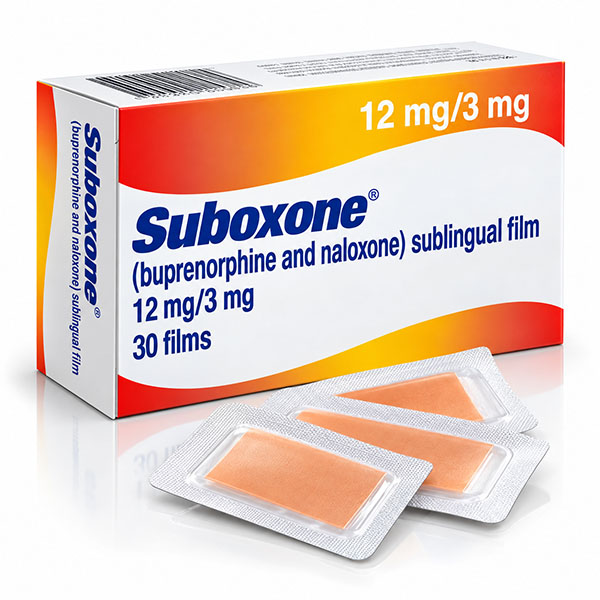
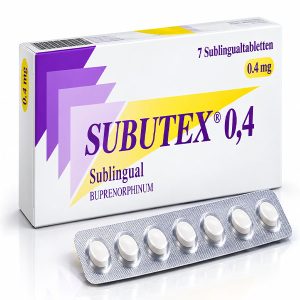
Suboxone (Buprenorphine and Naloxone)
Product Overview
Suboxone is a prescription medication containing buprenorphine and naloxone. It is used as part of the medical treatment of opioid use disorder under the supervision of qualified healthcare professionals.
Buprenorphine is a partial opioid agonist that acts on opioid receptors and may help reduce opioid withdrawal symptoms and cravings. Naloxone is an opioid antagonist included in the formulation to reduce the potential for misuse through certain non-approved routes of administration.
Suboxone is a controlled prescription medication in many jurisdictions. Its approved uses, formulation, strength, and availability depend on applicable regulatory requirements and official product documentation.
Understanding Suboxone
Suboxone combines two active ingredients:
- Buprenorphine: A partial agonist at the mu-opioid receptor that can help manage opioid withdrawal symptoms and cravings.
- Naloxone: An opioid antagonist that blocks opioid receptor activity and is included to discourage misuse of the medication.
The combination is designed for use in structured treatment programs for opioid use disorder. Treatment should be individualized and managed by an authorized healthcare professional.
Pharmacological Profile
Active Ingredients
Buprenorphine and naloxone.
Drug Classification
Buprenorphine-containing opioid dependence treatment medication.
Therapeutic Area
Addiction medicine and opioid use disorder treatment.
Mechanism of Action
Buprenorphine
Buprenorphine binds strongly to mu-opioid receptors and acts as a partial agonist. It can reduce opioid withdrawal symptoms and cravings while producing opioid-related effects.
Naloxone
Naloxone is an opioid antagonist that binds to opioid receptors and can block the effects of opioids. In Suboxone, naloxone is included to discourage certain forms of misuse.
The pharmacological behavior of the combination depends on the formulation and route of administration.
Clinical Applications
1. Opioid Use Disorder Treatment
Suboxone is used as part of a comprehensive treatment plan for opioid use disorder. It may help reduce withdrawal symptoms and cravings and support continuity of treatment.
2. Medically Supervised Opioid Dependence Management
Treatment may include clinical evaluation, monitoring, counseling, and other appropriate support services.
3. Addiction Medicine Research
The combination may be studied in research involving:
- Opioid receptor pharmacology
- Withdrawal symptom management
- Opioid dependence treatment
- Buprenorphine pharmacokinetics
- Naloxone pharmacology
- Medication adherence
- Drug interactions
- Treatment outcomes
Research use must comply with applicable ethical, legal, and regulatory requirements.
Key Product Features
1. Active Ingredients
Buprenorphine and naloxone.
2. Medication Category
Combination opioid medication used in opioid use disorder treatment.
3. Pharmacological Components
A partial opioid agonist combined with an opioid antagonist.
4. Therapeutic Application
Medical treatment of opioid use disorder, according to approved indications.
5. Pharmaceutical Form
Suboxone is commonly associated with sublingual and buccal formulations, depending on the product and market. The exact formulation and strength should be confirmed through official product documentation.
6. Prescription Status
Suboxone is a prescription medication and may be subject to controlled-substance regulations.
Safety Considerations
Suboxone contains an opioid ingredient and can cause serious adverse effects. Treatment should be provided under qualified medical supervision.
Potential adverse effects may include:
- Headache
- Nausea
- Vomiting
- Constipation
- Dizziness
- Drowsiness
- Sweating
- Insomnia
- Opioid withdrawal symptoms
- Respiratory depression
- Physical dependence
Respiratory Depression
Buprenorphine can cause respiratory depression, especially when combined with alcohol, benzodiazepines, sedatives, or other central nervous system depressants.
These combinations may increase the risk of severe sedation, respiratory impairment, coma, or death.
Precipitated Withdrawal
Buprenorphine may displace full opioid agonists from opioid receptors. If treatment begins at an unsuitable point in the withdrawal process, it can cause sudden or intensified opioid withdrawal.
Treatment initiation must be managed according to approved clinical guidance by a qualified healthcare professional.
Dependence and Withdrawal
Physical dependence can develop during treatment. Abrupt discontinuation or unsupervised changes may result in withdrawal symptoms. Any treatment adjustment should be managed professionally.
Drug Interactions
Patients should inform their healthcare professional about all prescription medicines, non-prescription products, supplements, and other substances they use.
Particular caution may be required with:
- Alcohol
- Benzodiazepines
- Sedatives
- Other opioids
- Central nervous system depressants
- Medicines affecting drug metabolism
The official prescribing information should be consulted for a complete interaction assessment.
Product Information
| Attribute | Details |
|---|---|
| Product Name | Suboxone |
| Active Ingredients | Buprenorphine and naloxone |
| Drug Category | Combination opioid medication |
| Pharmacological Action | Partial opioid agonist and opioid antagonist |
| Therapeutic Area | Addiction medicine |
| Primary Clinical Application | Opioid use disorder treatment |
| Administration | Depends on the approved formulation |
| Common Formulations | Sublingual or buccal products, depending on market |
| Prescription Status | Controlled prescription medication in many jurisdictions |
| Storage | Follow the official manufacturer’s label |
| Documentation | Official product information and regulatory documentation |
Storage and Handling
Storage requirements depend on the specific formulation and manufacturer.
General handling recommendations include:
- Store according to the official product label.
- Keep the medication away from unauthorized users.
- Keep it out of reach of children.
- Do not use expired or damaged products.
- Follow applicable controlled-substance handling requirements.
- Dispose of unused medication according to authorized local guidance.
Accidental exposure to buprenorphine can be dangerous, particularly for children and people who are not opioid-tolerant.
Frequently Asked Questions
What is Suboxone?
Suboxone is a prescription medication containing buprenorphine and naloxone. It is used in the medical treatment of opioid use disorder.
What are the active ingredients in Suboxone?
Suboxone contains buprenorphine and naloxone.
What is the role of buprenorphine?
Buprenorphine is a partial opioid agonist that acts on opioid receptors and may reduce opioid withdrawal symptoms and cravings.
What is the role of naloxone?
Naloxone is an opioid antagonist included in the formulation to discourage certain forms of misuse. Its effects depend on the route of administration and clinical circumstances.
Is Suboxone an opioid?
Yes. Suboxone contains buprenorphine, an opioid medication with partial agonist activity.
Can Suboxone cause dependence?
Yes. Physical dependence and opioid-related adverse effects are possible. Treatment changes should be managed by a qualified healthcare professional.
Can Suboxone cause withdrawal?
Yes. Withdrawal may occur when treatment is initiated inappropriately, interrupted, or discontinued without suitable medical supervision.
Can Suboxone interact with other medicines?
Yes. Combining Suboxone with alcohol, benzodiazepines, sedatives, or other central nervous system depressants can increase the risk of serious adverse effects.
What documentation should be reviewed?
Relevant documentation may include the official product label, prescribing information, formulation details, safety information, and applicable regulatory records.
Important Safety Disclaimer
This information is provided for general pharmaceutical and educational purposes. Suboxone (Buprenorphine and Naloxone) is a prescription opioid medication used in the treatment of opioid use disorder.
This content does not replace medical advice, official prescribing information, or regulatory documentation. Do not begin, change, or discontinue Suboxone treatment without guidance from an authorized healthcare professional.

There are no reviews yet.