

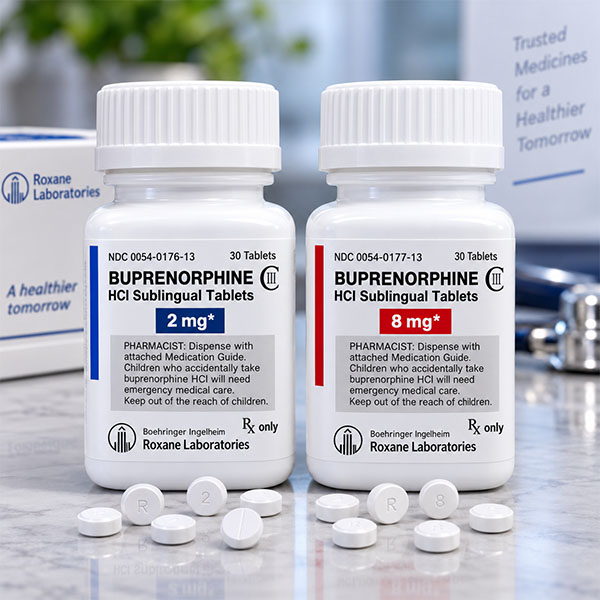


Buprenorphine
Buprenorphine is a prescription opioid medication used in specific medical settings, most commonly as part of treatment for opioid use disorder (OUD). It is a partial opioid agonist, meaning it activates opioid receptors in the brain but produces a ceiling effect on some opioid effects compared with full opioid agonists.
Buprenorphine can help reduce opioid withdrawal symptoms and cravings and may be used as part of a comprehensive treatment program that includes medical monitoring and behavioral support.
It is also available in certain formulations for the management of pain. The approved uses, formulations, strengths, and prescribing requirements vary by country and product.
Product Details
| Product Attribute | Details |
|---|---|
| Product Name | Buprenorphine |
| Drug Class | Partial Opioid Agonist |
| Active Ingredient | Buprenorphine |
| Primary Medical Use | Treatment of Opioid Use Disorder |
| Other Medical Use | Pain management with certain formulations |
| Available Forms | Sublingual, buccal, transdermal, injectable and other formulations depending on product |
| Route of Administration | Depends on formulation |
| Prescription Status | Prescription medication |
| Medical Supervision | Required |
How Buprenorphine Works
Buprenorphine has a high affinity for mu-opioid receptors in the central nervous system. It partially activates these receptors and can reduce opioid withdrawal symptoms and cravings.
Because it binds strongly to opioid receptors, buprenorphine can also displace other opioids from those receptors. If it is started too soon after use of a full opioid agonist, it can sometimes trigger precipitated withdrawal.
Medical Uses
Buprenorphine may be prescribed for:
- Opioid use disorder
- Reduction of opioid withdrawal symptoms
- Reduction of opioid cravings
- Maintenance treatment as part of an OUD treatment program
- Pain management with certain approved formulations
Treatment should be individualized according to the patient’s medical history, opioid exposure, clinical condition, and prescribed formulation.
Formulations
Buprenorphine is available in several formulations, depending on the intended medical use and country.
These may include:
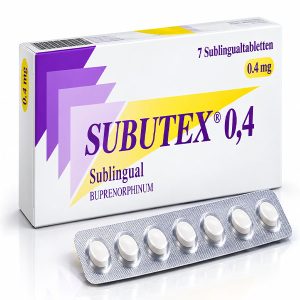
- Sublingual tablets
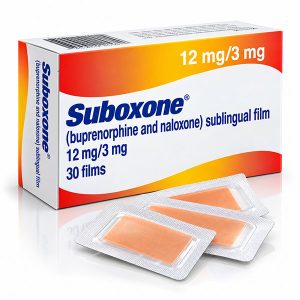
- Sublingual films
- Buccal films
- Transdermal patches
- Long-acting injectable formulations
- Other specialized formulations
Not all formulations are approved for every indication.
Common Side Effects
Possible side effects may include:
- Headache
- Nausea
- Vomiting
- Constipation
- Dizziness
- Drowsiness
- Sweating
- Fatigue
- Abdominal discomfort
- Dry mouth
Side effects vary depending on the formulation, dose, duration of treatment, and individual patient factors.
Serious Safety Information
Buprenorphine can cause respiratory depression, particularly when combined with other substances that slow breathing.
Seek immediate medical attention for symptoms such as:
- Severe difficulty breathing
- Very slow or shallow breathing
- Extreme sleepiness
- Loss of consciousness
- Severe confusion
- Blue or gray lips or skin
The risk can increase when buprenorphine is combined with alcohol, benzodiazepines, other sedatives, or certain other medications.
Dependence and Withdrawal
Although buprenorphine is used to treat opioid use disorder, it is itself an opioid medication and can cause physical dependence.
Stopping regular treatment suddenly may cause withdrawal symptoms. A healthcare professional can determine whether and how treatment should be reduced or discontinued.
Drug Interactions
Buprenorphine may interact with:
- Alcohol
- Benzodiazepines
- Other opioids
- Sleep medications
- Sedating antihistamines
- Certain antidepressants
- Other central nervous system depressants
- Certain medicines that affect liver enzymes
Patients should provide their healthcare professional with a complete list of medicines, supplements, and other substances they use.
Important Precautions
Before taking buprenorphine, discuss your medical history with a healthcare professional, particularly if you have:
- Breathing problems
- Sleep apnea
- Liver disease
- Head injury or increased intracranial pressure
- A history of substance-use disorder
- Gallbladder problems
- Adrenal or thyroid problems
- Pregnancy or plans to become pregnant








There are no reviews yet.